Fears, Risks, & Following Our Dreams

It had been brewing for some time. It would bubble up and haunt me, but I would talk it away – “you’re just asking for too much” I would tell myself.
“You just need to find more balance”, I would rationalize.

And yet there came a time when looking at my dissertation proposal thinking, “This is not what I want,” could not be ignored any longer. (I may have been a lump sobbing on the ground.)

The process of following one’s dreams, intuitions, and inner guidance, however, is not as easy as we would like. It requires facing fears that we have long ignored, taking risks we have felt too scared to take, and learning more about ourselves than we ever have before.

Is it even worth it?

YES.

As I write this now, I feel confident in my decision and so much more excited about my life, my place in the world, and delving into my true passions.

Was it easy to get here?

No.

First, the Fears

They’re those dehabilitating, gut wrenching, sleepless-night causing, distracting thoughts that surface all too easily and frequently when we are faced with a huge decision that marks the difference between following our dreams and continuing with the life-sucking business as usual.

Some common ones that surfaced for me were:

  • I will have wasted so much time. I had already put 4 years into my PhD program, how could I possibly turn away from that? How could I ever recover from having spent so much time on this pursuit only to leave it behind?
  •  What will I do instead? Although I had a vague idea of the direction I wanted to move in, it was not solidified (and it’s still a work in progress). All I knew for sure was that my current direction felt wrong, and that I was about to commit myself to at least 3 more years of the same.
  •  What about money? If I was to leave my position as a Graduate Research Associate, where would I get paid? How would I have rent money? Insurance?
  • What will people think of me? How would I explain the decision to leave? Would people think I’m crazy to give up this role?
  • Who will I be? I’d labeled myself as a PhD candidate for so long and became so used to the way that people responded to that. How would I define myself now? Who am I anyway?
  • What if I make the wrong choice? How would I truly know if it was the right decision to change my path? Would I regret it later?

Then, the Risks

Despite all of the fears, something deep inside kept nagging me that I was on the wrong path, that I would get stuck in a life that wasn’t what I desired, and that I would remain dissatisfied. In the face of overwhelming fear, I decided to take some risks and trust that:

  • I hadn’t wasted time. The lessons that I learned while working and studying at the zoo were invaluable. They helped to shape my understanding of what sustainability really means (and that I couldn’t reach my ideal for a sustainable life working in a zoo), allowed me to practice and further develop my critical thinking and writing skills, and left me with a lot of fun memories and experiences that many people will never have. And I still got a Master’s degree in Biology out of it.

  • My true life direction would become available to me. As soon as I made the decision to leave the zoo, doors began opening for me. To be honest, at first I was not excited by this because I felt so guilty and worried that I made the wrong decision, but now these doors are my constant reinforcement that I am following the right path.
  • My friends and family wouldn’t let me be without food, water, and shelter. People have helped support me in ways that I could not have imagined were possible before I started thinking about taking a new direction in my life. And things have worked out so that I haven’t had to depend on anyone else for my basic needs (at least not too much – maybe someone who only lives with me ½ of the time now helps me with part of my rent – thank you!), and I’ve certainly depended on others for moral support (and it would have been ok to ask for more if I needed it)!
  • My own goals, desires, and dreams are more important than what other people think. And it also turns out that people really respect you for following your dreams. It’s a rare enough thing that it impresses others when people are actually willing to do this.
  • I am a dream-follower, authentic human who doesn’t need to be attached to labels to help give myself meaning or prove that I’m intelligent. So what if I don’t have a PhD? Maybe I’ll get one sometime in the future, or maybe I won’t. They don’t automatically equal intelligence and the life of your dreams.
  • There are no wrong choices, only moments for learning. That’s just the way it is.
And Then You Realize How Much You’ve Learned

Through all of the sleeplessness, the false alarm emergency room visits for heart attacks (this was a hard decision!), the tears, the fears, the worries, and then the risks, I have learned a lot. Not only about myself, my strength, and my capacities, but also about the life I want to create and how to do it.

Facing such a major decision made me want more than just intuition-based feelings that I was making the right decisions, so I also came up with long lists of real-world reasons that my decision would make the best sense for my desire to live a more healthy, sustainable, and freedom-based life. They fed right into and supported my intuitions in ways that provided me with strength to do the right thing.

I could make another bullet-point list of things that I’ve learned, but that’s what this blog is about, so look around and stay tuned for more insights!

What about You?

Are you a risk taker and dream maker? Are you living your authentic life?

Sadly, I don’t think many of us are. But you can! It might take some hard work, inner searching, determination, and de-conditioning from cultural expectations, but it’s worth it.

I believe the world would be a much more inviting, exciting, likable place if we were all following our passions and dreams rather than living in a belief system based on fear and what-ifs.

So name your fears. Acknowledge how scary and terrifying they are, and then defy them!

___________________________________

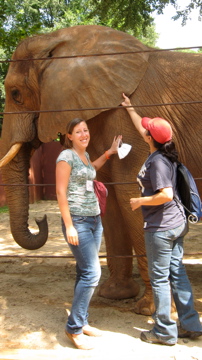
P.S. Although I enjoyed the elephant encounter shown above, I would prefer that we not keep elephants in zoos.

Ramps, Barley, & Beans

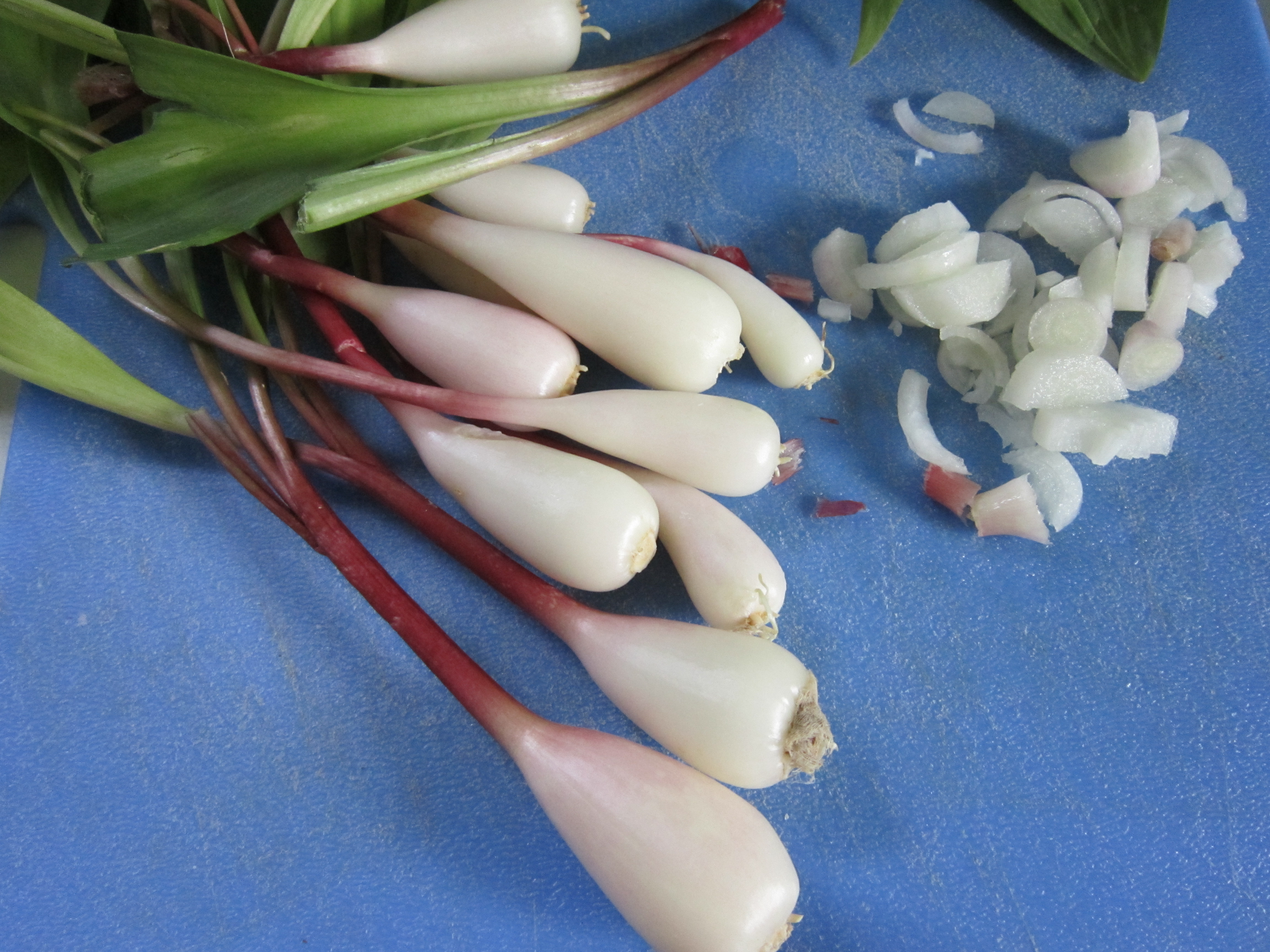
As the wheel of the year keeps turning us further into spring, it is already nearing time to say goodbye to ramps which are generally only around for harvesting for about 4-6 weeks each spring.
I think I made good use of them this year, but a recent recipe I came across seemed like a good one to squeeze in before the season officially ends.
Here are the ingredients from the original recipe:

  • 4 cups low-sodium chicken stock
  • 1/2 cup hulled barley, rinsed
  • 1/2 pound ramps, whites and greens separated and sliced
  • 1 stalk celery, thinly sliced
  • Coarse salt and ground black pepper

And here is what I used instead:

  • 2 cups vegetable broth and 2 cups whey (from my recent ricotta trial!)
  • 3/4 cups hulled barley, rinsed
  • 15 ramps, whites and greens separated and sliced
  • Salt & Black pepper
  • 15 Oz. kidney beans
I thought this recipe would be better with the addition of some protein (the beans), I excluded a vegetable that is not in season (the celery), and I was excited to try my whey as a stock in addition to some vegetable stock!  I also added some additional barley, but you might want to add even more if you give this recipe a go.

Directions:

  1. First add the broth, barley, and the ramp whites to a stock pot. Bring to a boil and simmer 45 minutes.
  2. After the simmering, add the greens and take half of the mixture and puree it in a blender to make it creamier.
  3. Return the mix back to the pot, add the beans, and cook until everything is warmed.
  4. Done!

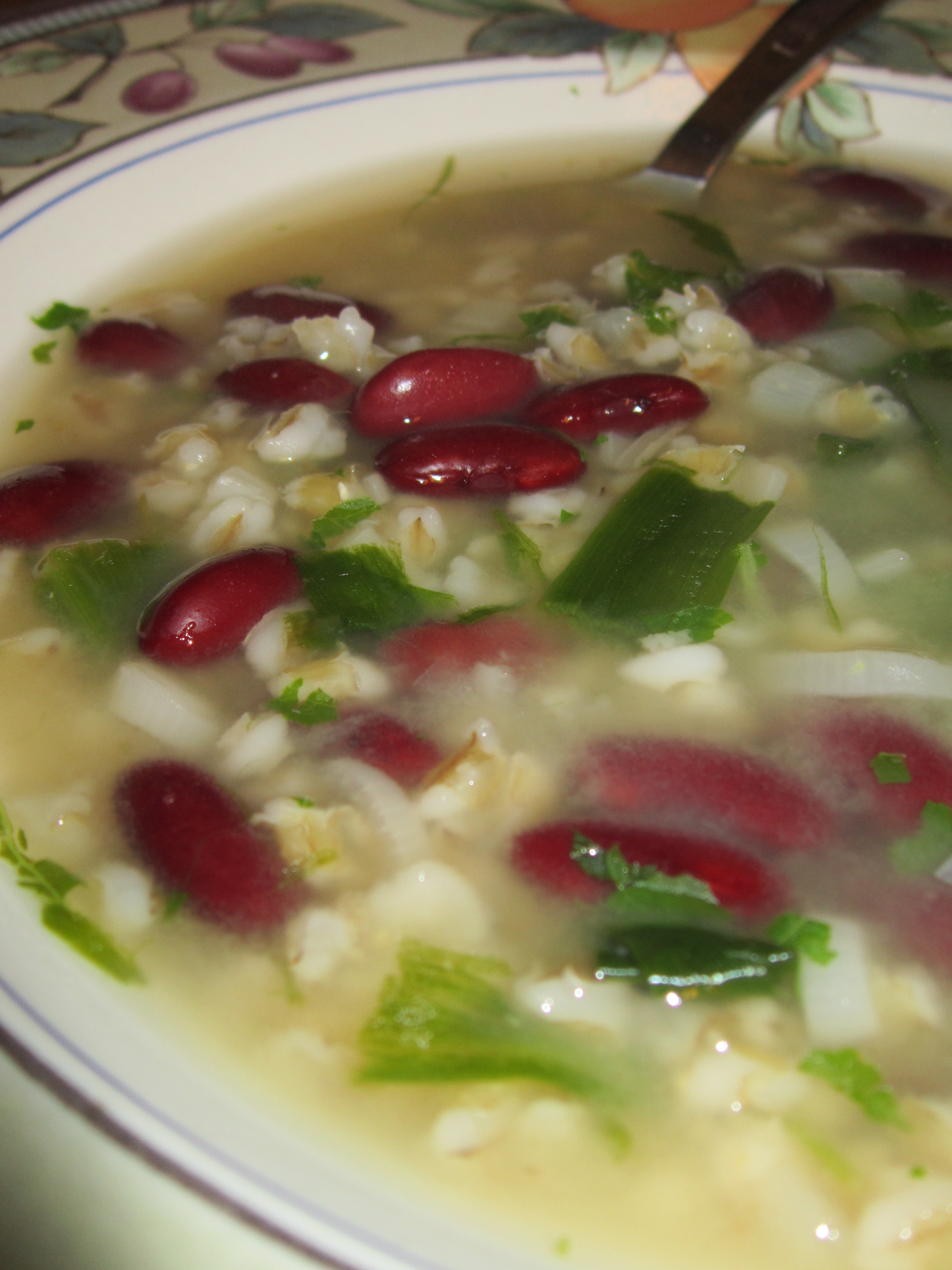
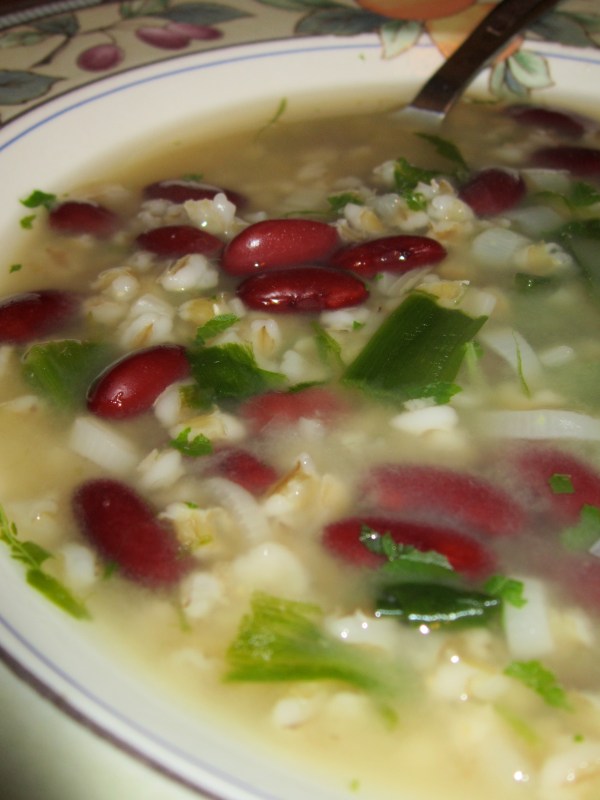
Ramp, barley, and beans soup

I’m not sure why my version doesn’t seem nearly as green & creamy as the photo used by the magazine.  Maybe this is because I didn’t use my good blender (too much clean-up to make soup!), or because I didn’t use enough ramp greens (some were yellowing as the season ends…), or maybe they were cheaters and used food coloring!

Either way, the meal was tasty & (mostly) local, but would have been better if I had found time to bake bread to go with it!  Next time…

Also on ‘these light footsteps’:

Homemade Ricotta – It’s Easy!

It’s official. I made my own cheese.

It’s been on my to-do list for quite some time now, but other projects have continued to get in the way. Also, I have a reliable source of cheese each week at the farmers’ market that has made it easy to neglect this to-do item. But…he doesn’t sell cheeses like ricotta.

I also think it’s inherently valuable to learn these skills on our own — it helps to save money and to bring us closer to where our food comes from.  It also helps in my quest to eliminate disposable food packaging from my life (what a waste and a huge hog of landfill space!).  If you make your own ricotta, you don’t have to buy a plastic container of it!

Isn’t it amazing that in just a generation or two skills like this have been lost by so many people? There are a great number of us that no longer have words like curds and whey in our vocabulary yet continue to consume a lot of cheese (often from questionable sources!).

I intend to keep the skills of self-reliance and food intelligence alive!

Plus, it’s really easy!

All you need is milk + heat + an acid (vinegar or lemon juice) to make ricotta.  To get into the harder cheeses, you need to start involving rennet in the equation (that will be next in my cheese-making endeavors).

To make 1.5 – 2 pounds of ricotta (which it turns out is a lot of ricotta and you might want to start with half of this recipe), you need:

  • 1 gallon organic (preferably local!) whole milk
  • 1/2 cup of an acid (I used white vinegar; can also use lemon juice)

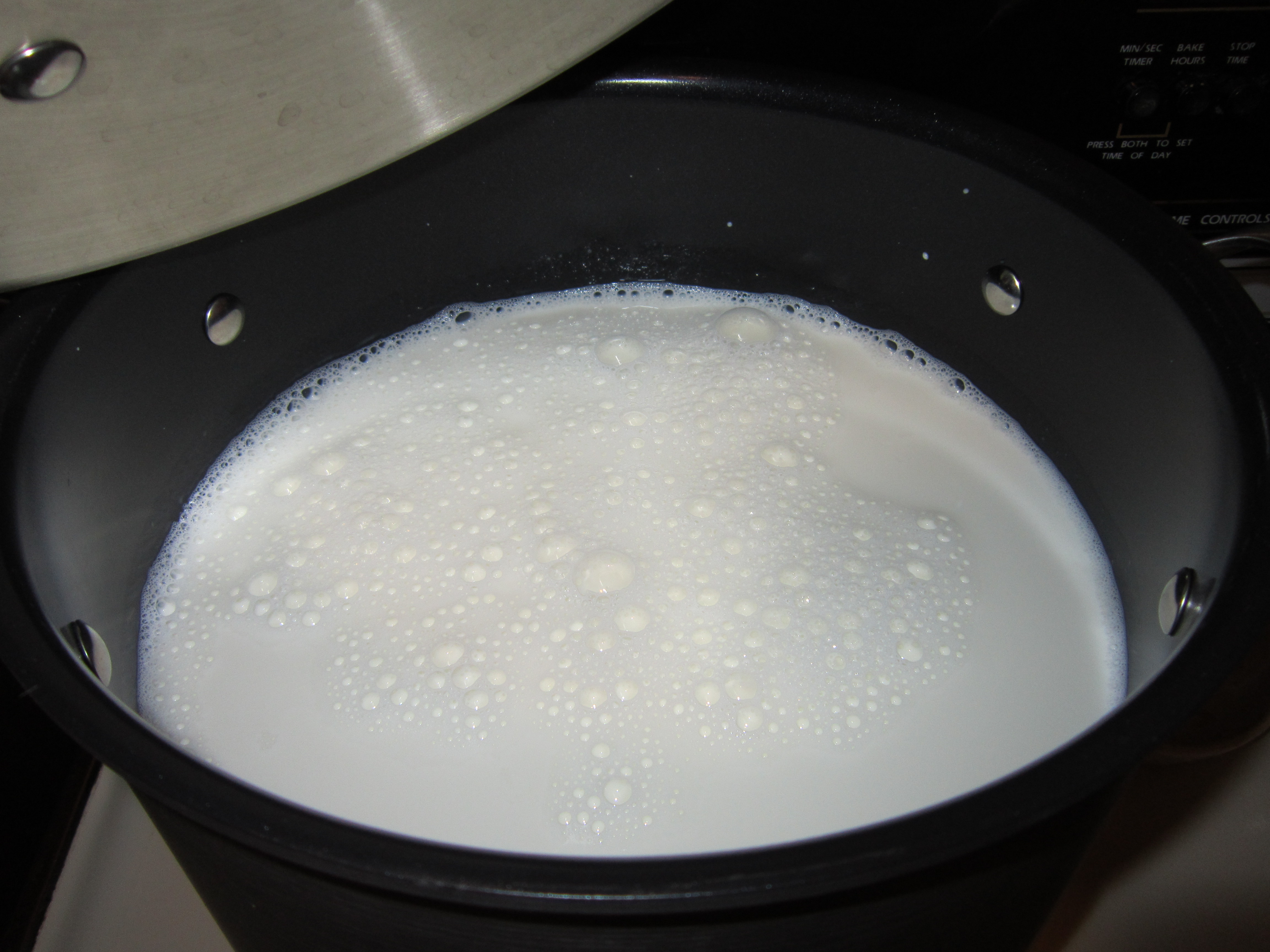
Combine the ingredients and heat the milk slowly on the stove, stirring periodically, and work the milk’s temperature up toward 180*-190*.  This should happen slowly — it might take anywhere from 30 minutes to an hour.

While you’re stirring, you might want to say an incantation such as, “Let there be curds!” and they will begin to appear! (Ok, you might not have to use magic, but it feels very magical when they begin to appear!)  When the curds begin to form, remove the mixture from the heat source.

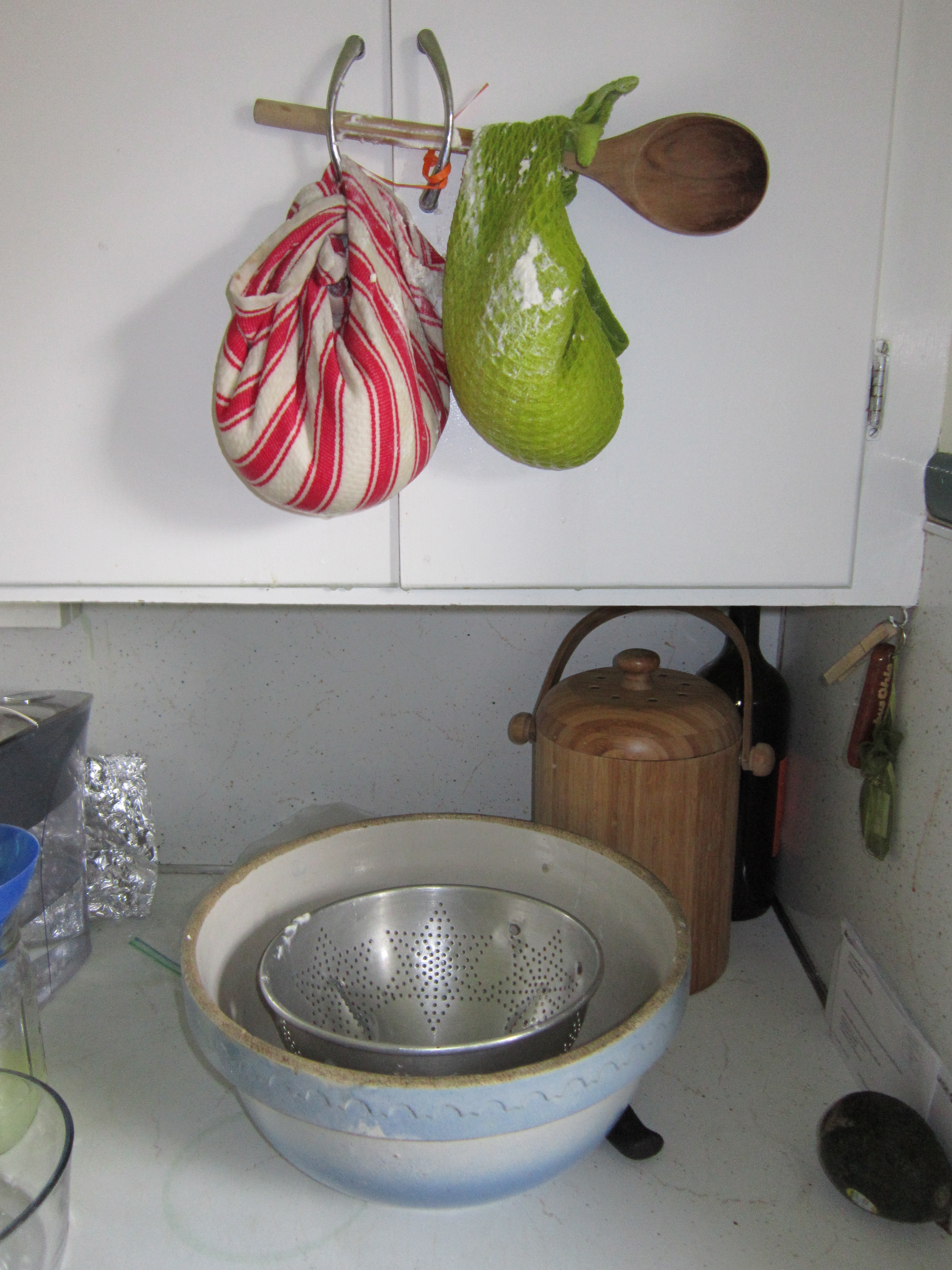
Let the mixture cool down for 30 minutes and then strain the curds from the whey by lining a colander with cheesecloth or a tea towel and placing a bowl underneath.  The longer you let the whey drain out, the drier your cheese will be.  I actually put mine in the fridge and let it drain out overnight.

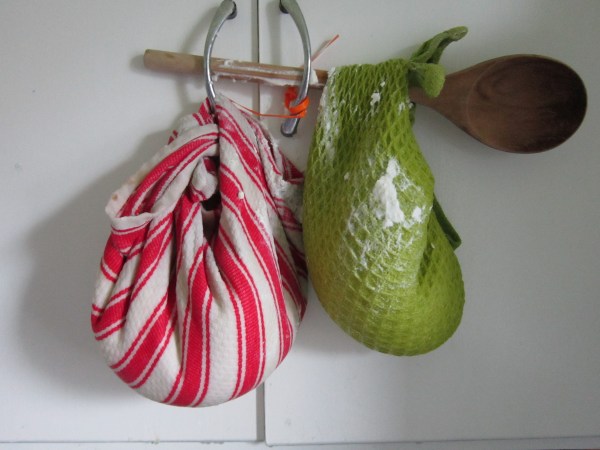
The next morning, I realized that so much whey had drained out that the bottom of the cheese was getting wet in a puddle of whey. I got a bit creative to let a little more whey drain out.

Draining whey

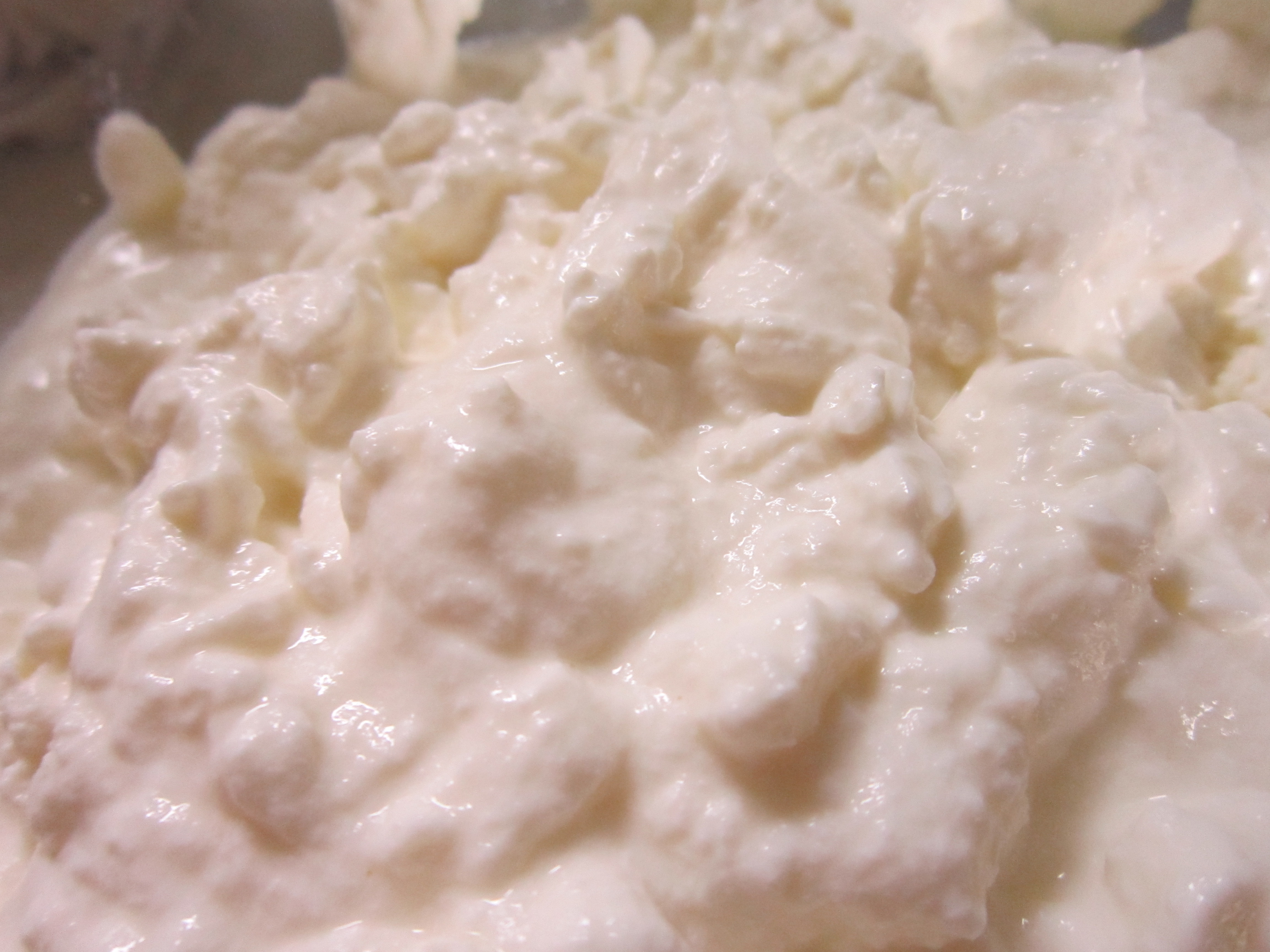
But I was left with some delicious ricotta!

Fresh ricotta cheese

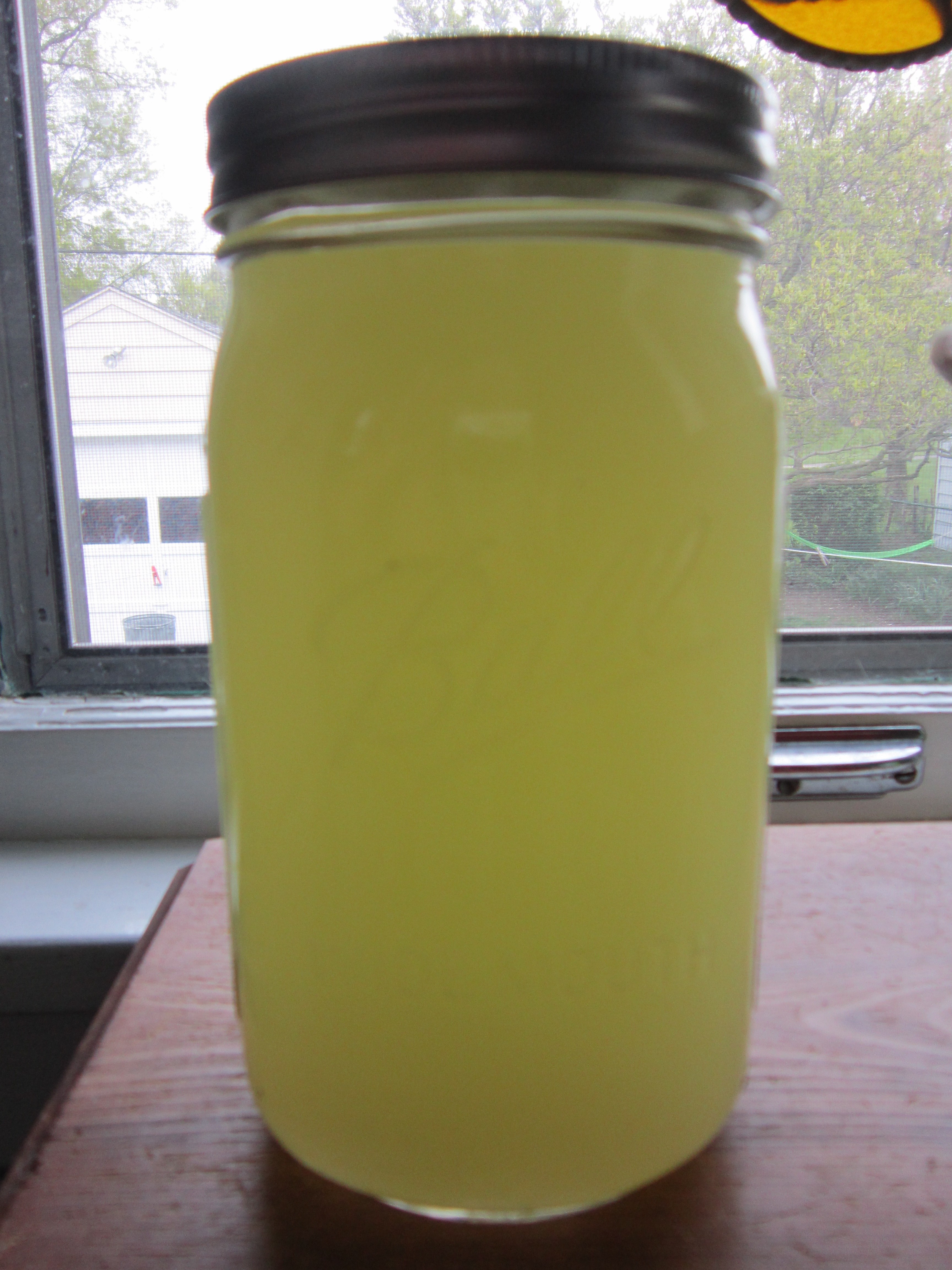
And I’ve also learned that there are numerous uses for the whey, so I saved that as well.  It’s useful as a stock, to cook pastas, to sprout grains, and more! It’s full of healthy enzymes.

Whey

Stay tuned to learn what became of this ricotta…

This post linked up at:

Laura Williams' Musings

Local Cooking: Making Friends with Kale

When you make the decision to start incorporating more local and seasonal foods into your diet, it can initially be overwhelming because not many of us are used to working with the foods that are found in seasonal abundance.  It forces us to get a bit more creative with our cooking.

So for example, with ramps being abundant right now I’ve made them into pesto, chopped them into salads, sauteed them as toppings, and yesterday I tried what I’ve gathered to be the “authentic” West Virginian way to eat ramps — with beans (and cornbread). And I still have a few more tricks up my sleeve before the ramps disappear! (Stay tuned…)

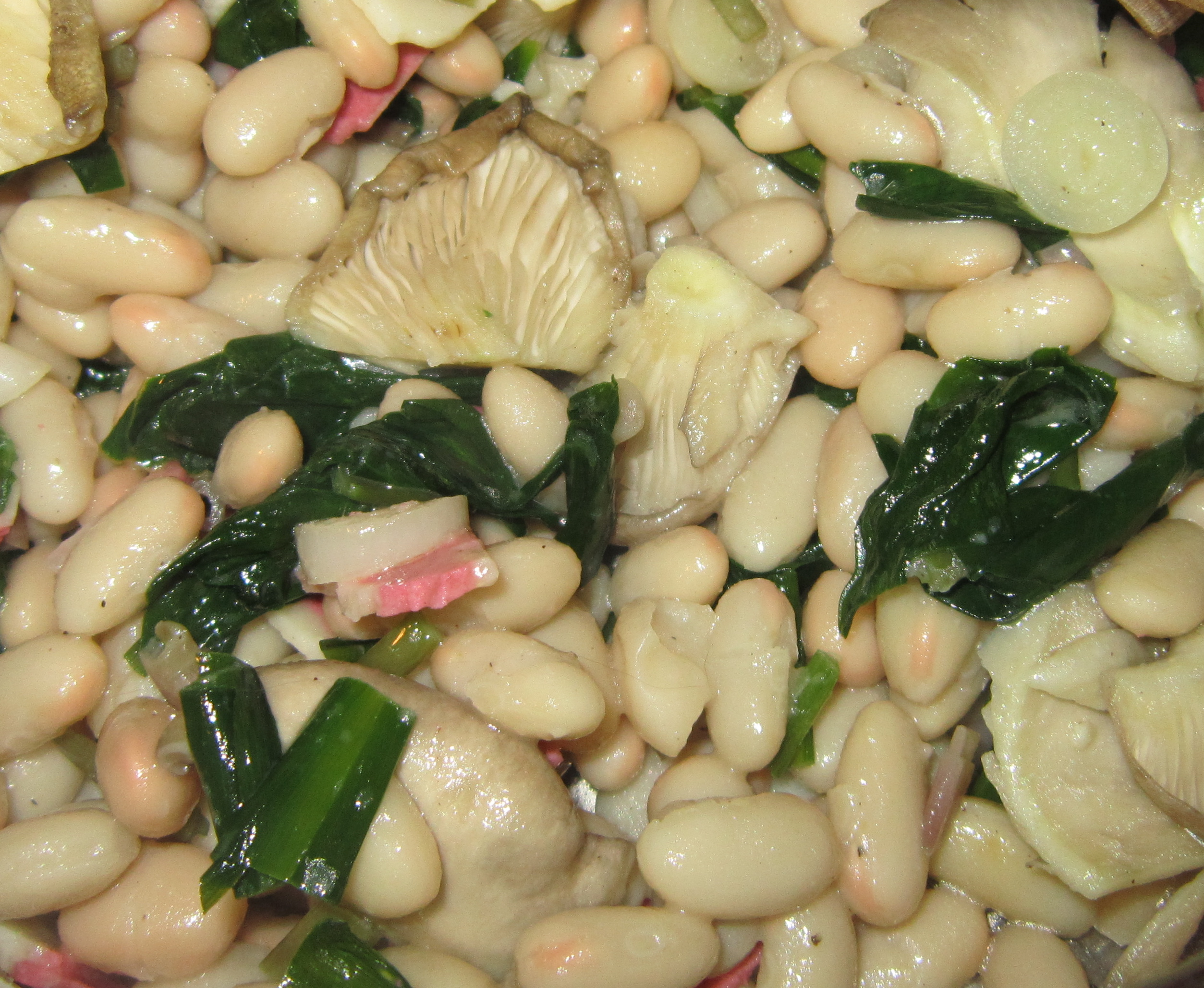
Ramps and beans (and mushrooms)!

Another popular item at farmers’ markets in the Spring is kale.  I suppose I had started to learn about kale before trying to be quite as much of a locavore as I am today, but it’s definitely not something that I grew up eating. And when you’re not used to eating greens like kale and collards, they can be intimidating. But greens like kale are good to incorporate because they’re so darn healthy!

I think I first started to actually like kale because of kale chips.  I believe they’re relatively palatable even to the novice kale eater, and yet they start to break you in to kale’s bitter charms.

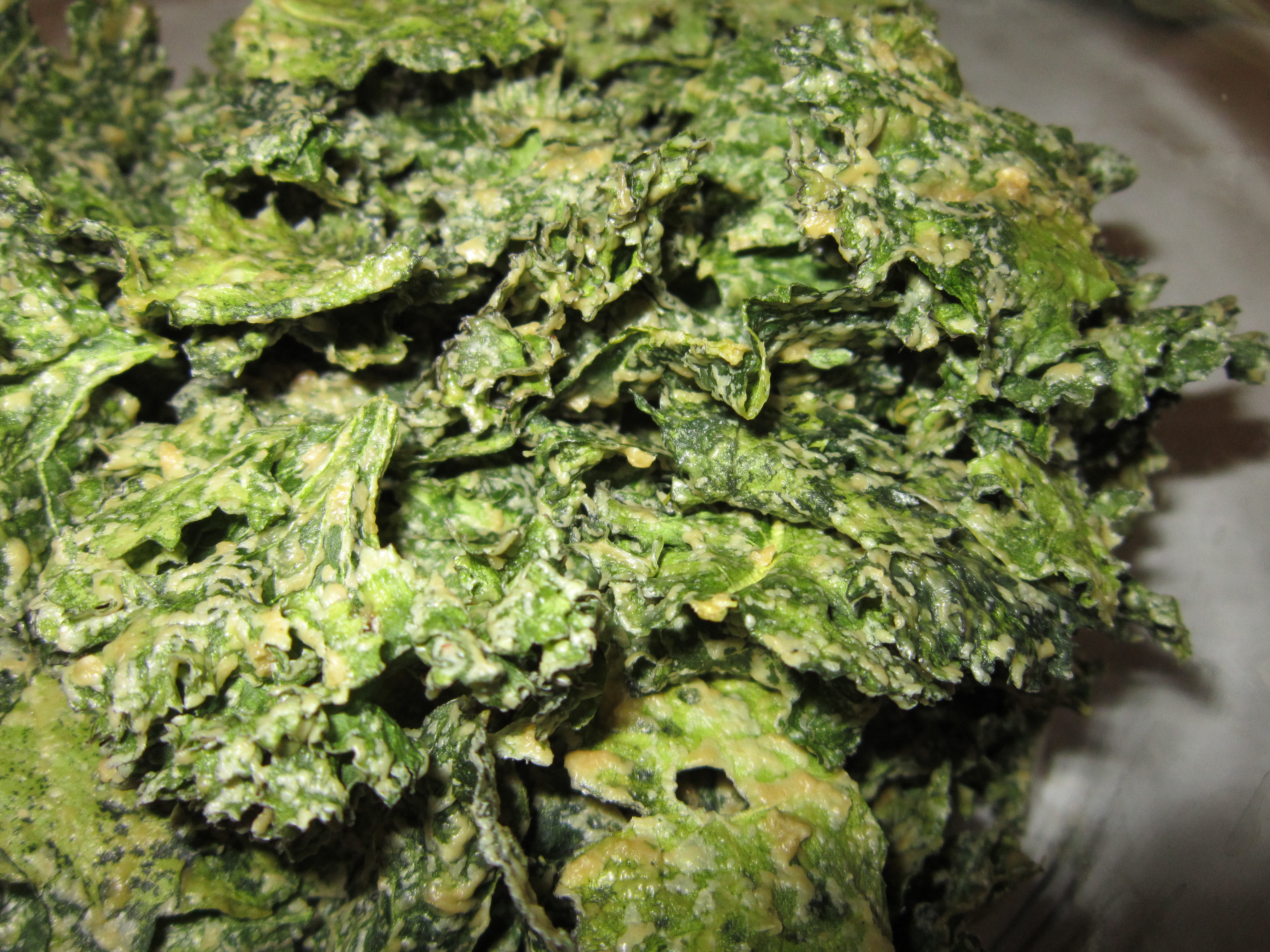
There are many types of kale chips to make, but I think it’s best to smother kale in a delicious tahini sauce.

TAHINI KALE CHIPS

Kale Chips

Kale Chips

  • ~2 Bunches kale
  • 1/4 cup tahini,
  • 1/8 cup soy sauce (or Bragg’s liquid aminos)
  • 1/8 cup apple cider vinegar
  • some sprigs of parsley and oregano (and I added some purple dead nettle that was also growing nearby my parsley and oregano…why not?)
  • 2 cloves of garlic
  • 1-2 Tbs. nutritional yeast
  • dash of salt
  • enough water to mix well…probably 1/8 cup

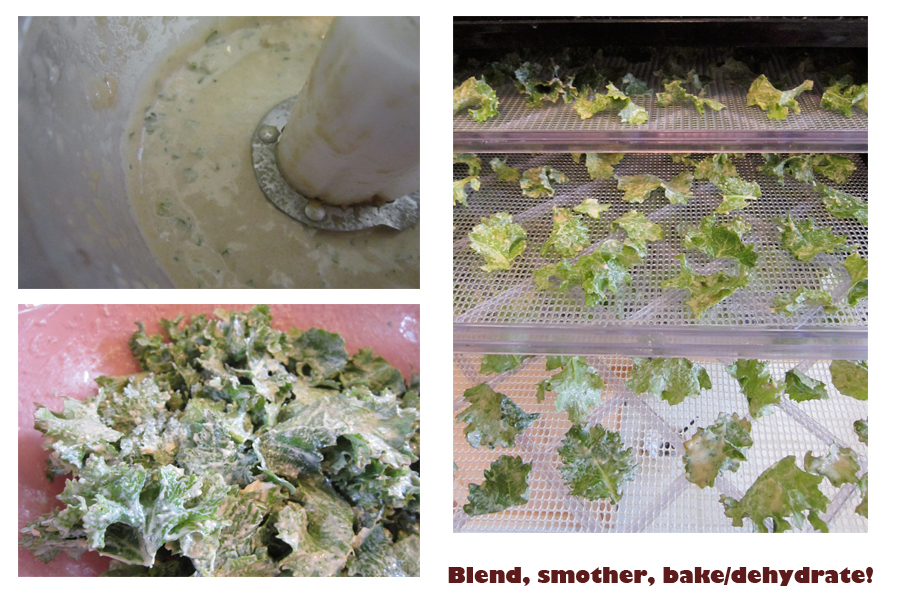
Break the kale into bite-sized pieces and place into a large bowl (take out any of the thick stems).  Mix all of the other ingredients in a blender, and then pour the sauce over the chips and mix it in well.  Lay the coated chips out on dehydrator sheets or oven sheets.

Dehydrate at 115* for about 4 hours or until really crispy (some recipes call for up to 8 hours — I did this last batch for 6).  You can also use an oven at 200* for about an hour, but check it often.  I’m sure that some people have mastered the oven version of kale chips, but I haven’t had luck with that.

I realize that not all of these ingredients are local, but I think this is a good place to start experimenting with kale.  And you can try to get as many of these ingredients as locally sourced as possible.

However, I was also able to devise a more locally-sourced kale recipe this week…

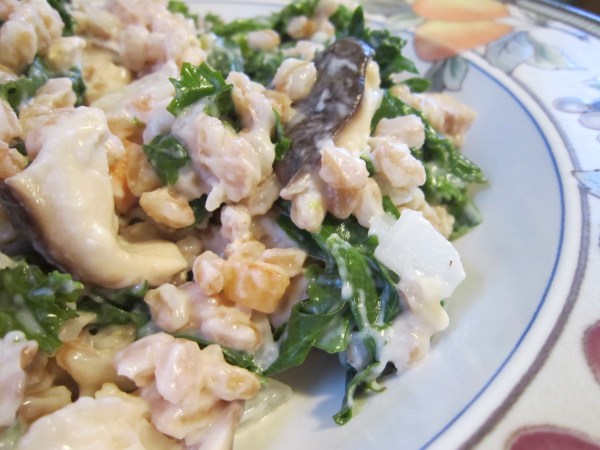
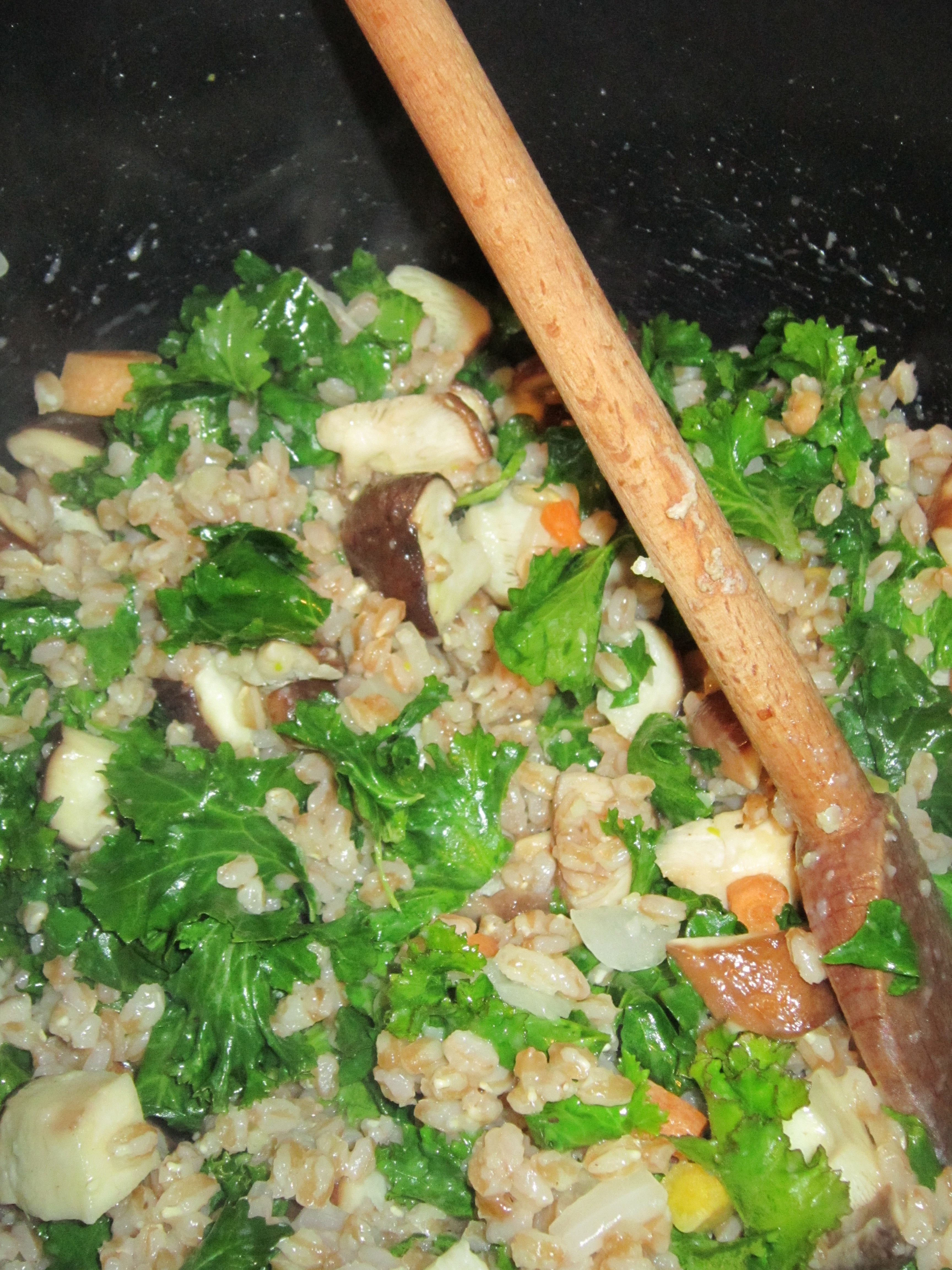
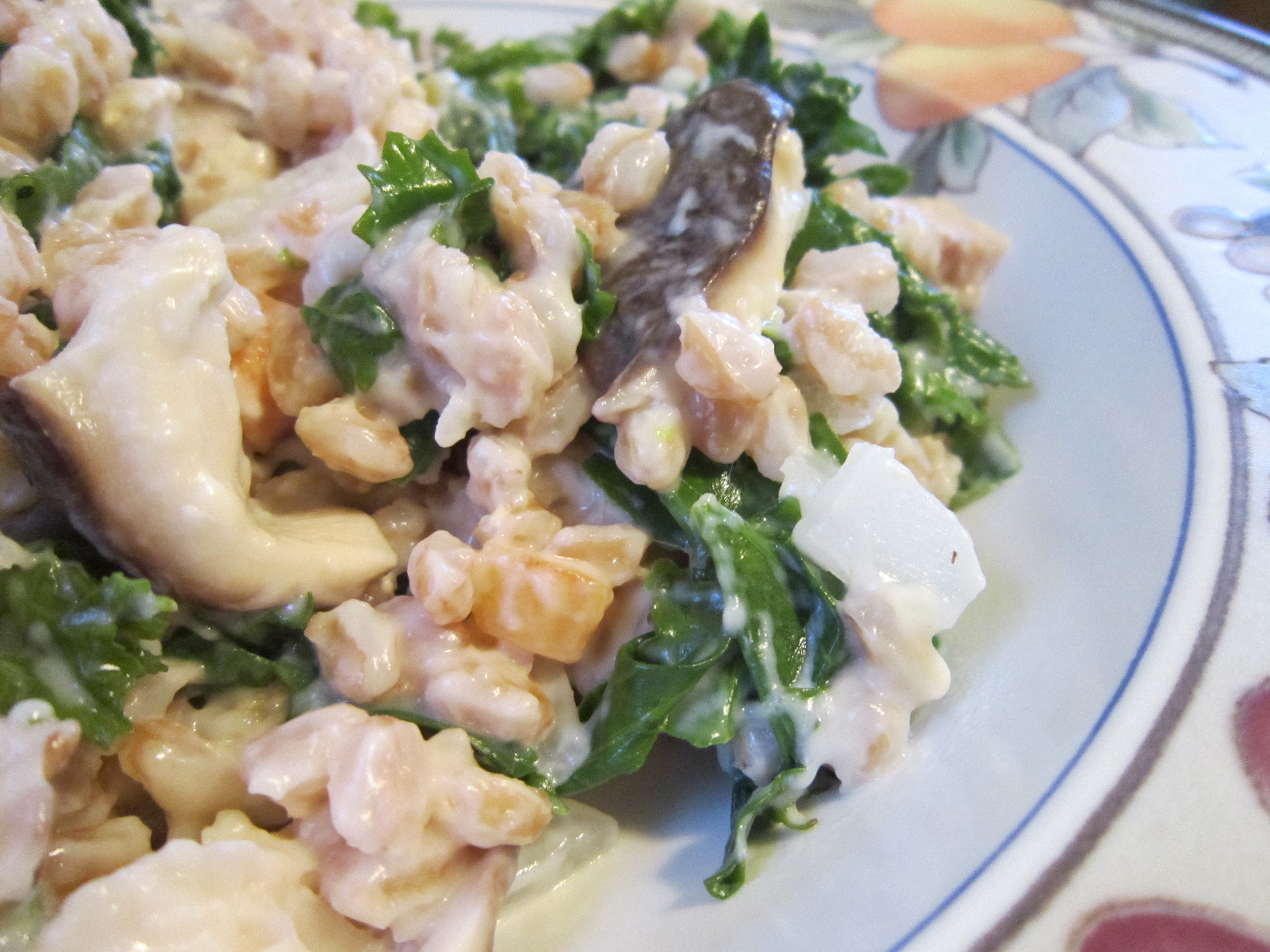
FARRO WITH KALE, SHITAKE MUSHROOMS, AND CHEVRE

I found some star ingredients at the farmers’ market that I was inspired to combine into this dish.

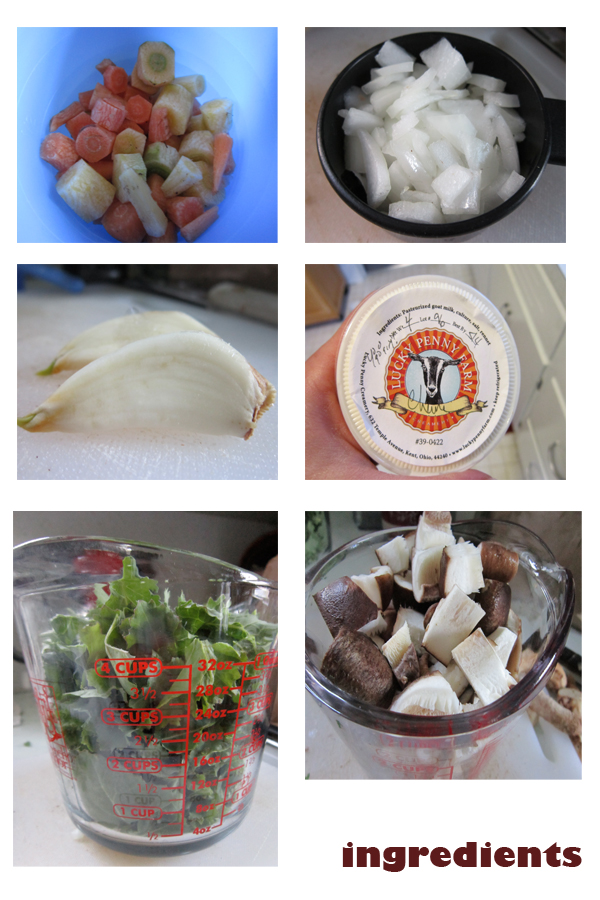
  • 2 cups warm, cooked farro (but I made a lot more than this — freeze some for later!) To cook farro: boil the grain in a 2:1 ratio of water (lightly salted) to farro. Simmer covered for 25 to 35 minutes. Drain any unabsorbed liquid.
  • 1/2 cup carrots
  • 1/2 cup onions
  • 4 cloves garlic
  • enough butter to saute
  • 4-5 cups of kale
  • 2-3 cups of shitake mushrooms
  • 2 oz. chevre
  • salt/pepper to taste

Start by sauteing the carrots, onions, and garlic in the butter until they’re soft and the onions are translucent.  Add the mushrooms and cook for about 2 minutes.  Add the kale and watch for it to wilt a bit and turn a darker color of green — this means it’s getting close to ready, and you can add the 2 cups of warm, cooked farro.

Stir it up

Mix all of this together and then add the chevre.  Keep stirring this while the heat is low until the cheese is melted in and creamy.  Local and delicious!

Farro with shitake mushrooms, kale, and chevre.

Linked up on the Homestead Barn Hop.

Also on ‘these light footsteps’:

Enhanced by Zemanta

Restorative Humans & A Native Prairie Planting

What did the land you live on look like before humans arrived? Was it forest? Prairie? Desert? Wetland?

How did the Native people treat that land? And then what happened when the new culture arrived?  Did it become a monoculture farm? A suburb? A place to extract a natural resource?

Is there any way that humans are ‘supposed’ to live on the land?

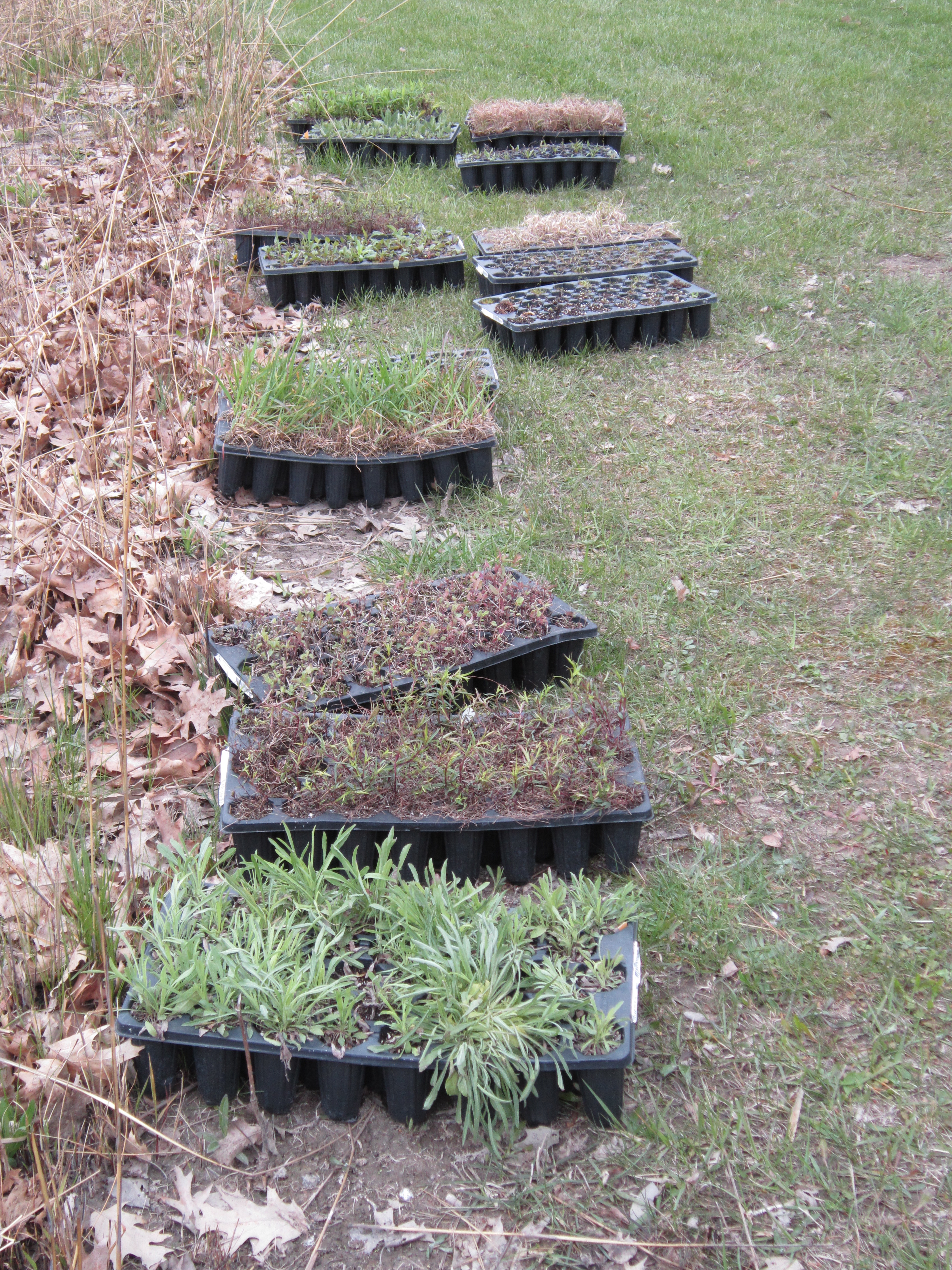
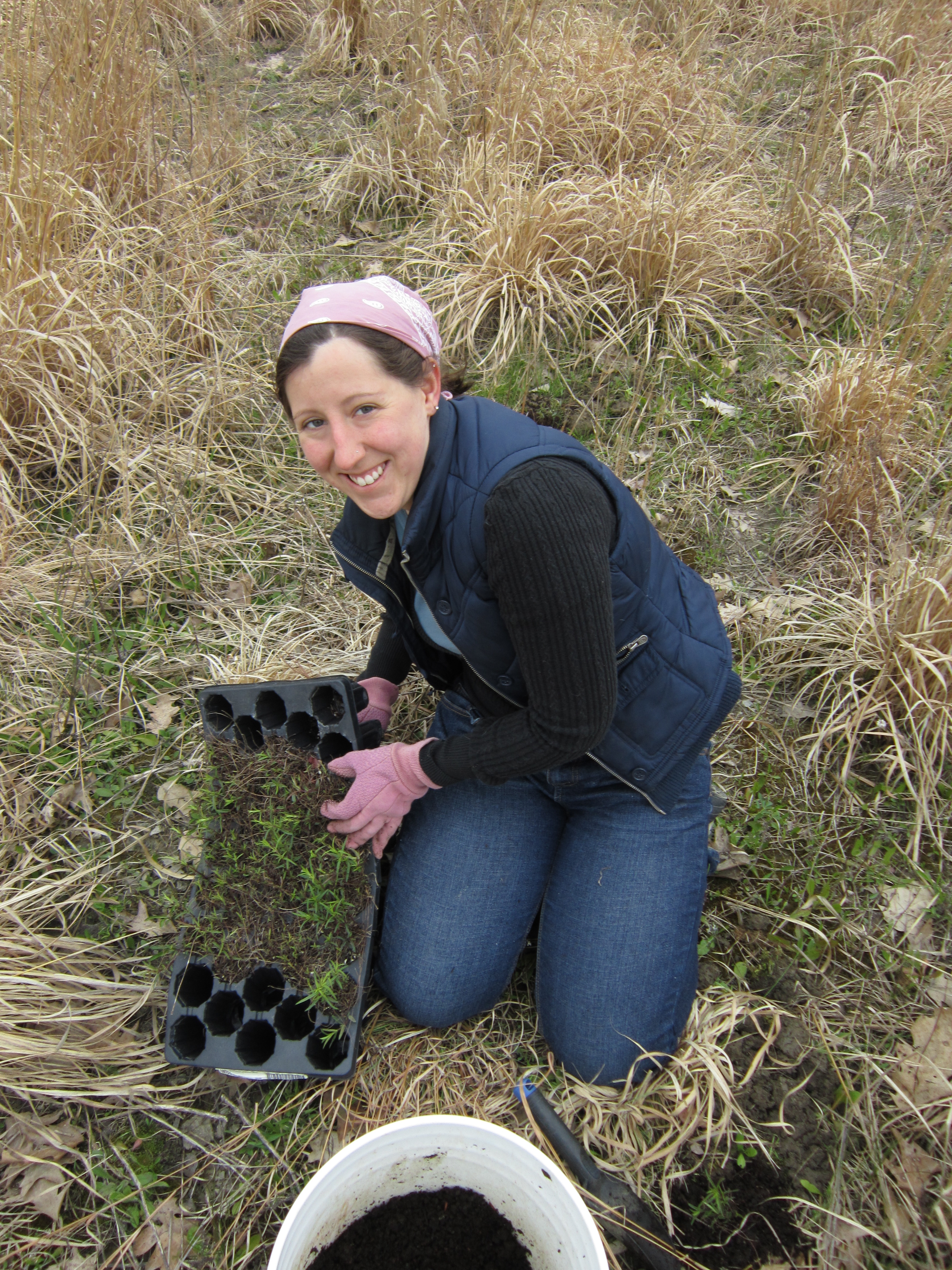
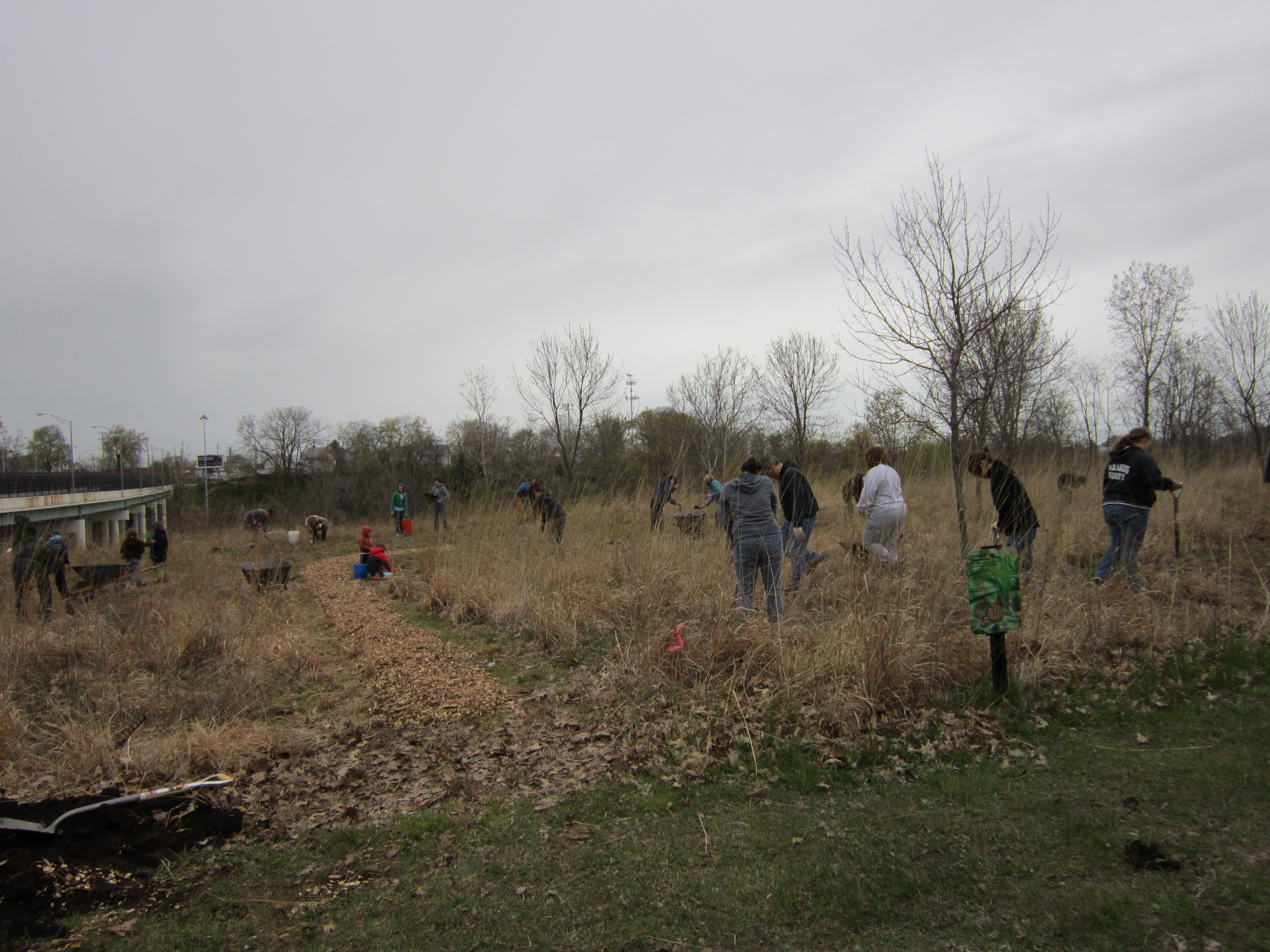
I reflected on this question as I participated in a native prairie planting over the weekend.

Native prairie-to-be

Native prairie plants

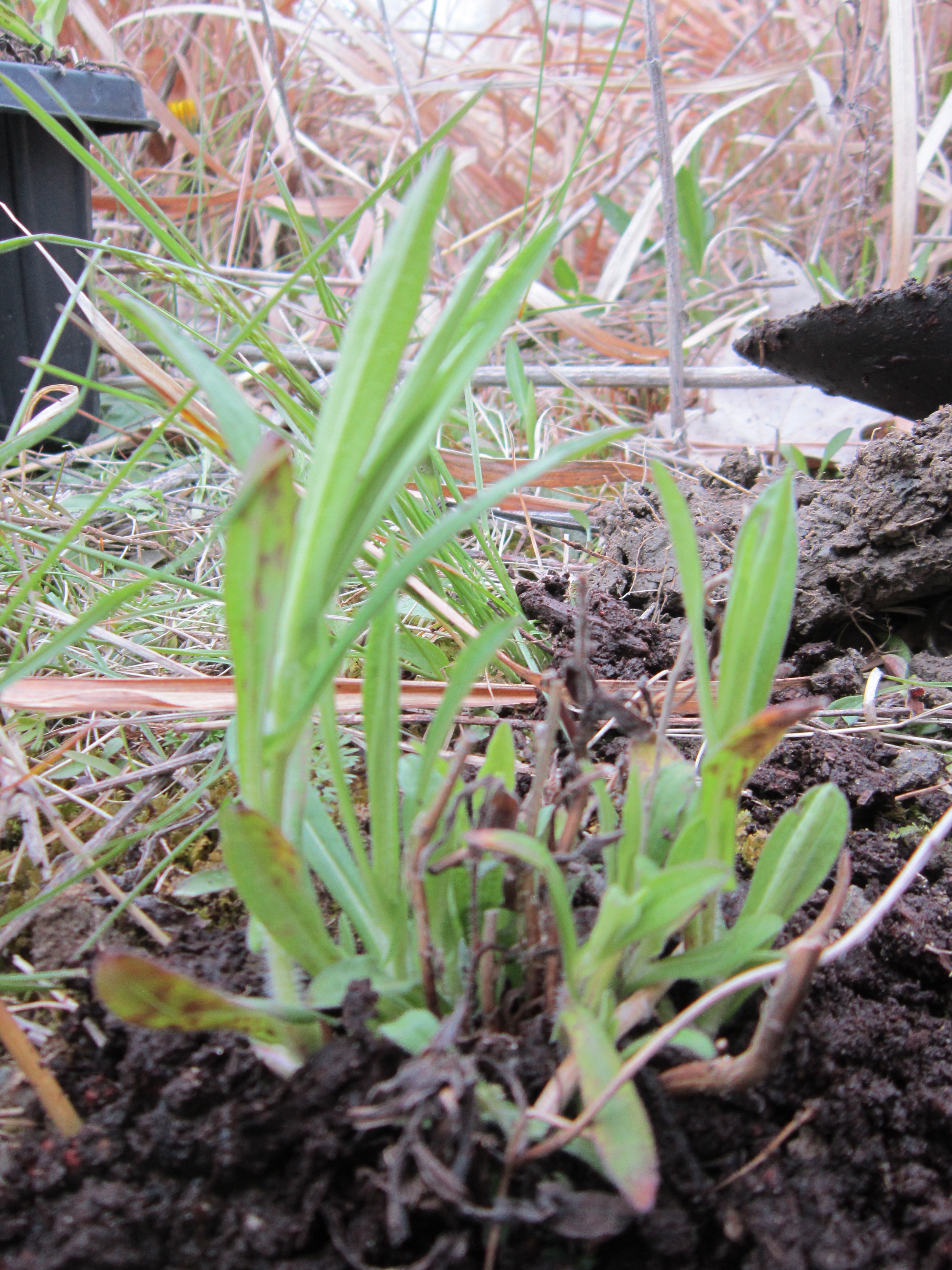
My partner and I focused on flats of two species in particular — the New England Aster

Baby New England Aster

and Narrowleaf Mountain Mint.

Baby Narrowleaf Mountain Mint

The experience got me thinking about the fact that all animals have roles to play in keeping their environments balanced, thriving, and diverse.  For example, birds help to move seeds around, insects assist with pollination, and predators keep populations of small mammals in check.  When one species overexploits its environment, there are consequences, often with a die-off of part of the population until balance is achieved once again.

Recently, humans have taken a very exploitative approach to our environment and our population numbers are booming.  This continued growth and the fact that so many of us can lead such extravagant lifestyles has been made possible by the availability of cheap carbon resources (oil, coal, natural gas) that allow for massive food production and a complex medical system that is able to keep so many people alive.

There are some problems with this, however. The resources that made this growth possible are nonrenewable (and we may have passed the peak of production), and we know that this approach to maintaining human livelihood is leading to the pollution of our air, water, and land, the destruction of natural environments, and countless species extinctions.  We also know that previous cultures that did not respect the limits of their natural resources are no longer in existence.

Is there a different way to approach our relationship to the Earth?

If all animals have roles in keeping nature balanced, it may help to reflect on potential ways that humans have evolved as part of ecosystems.

Perhaps instead of being dominators of natural cycles, we are intended to work with nature to create more healthy and vibrant ecosystems for ourselves and other organisms.  These big, long-term planning brains must be good for something beyond our own survival, and I don’t think it’s necessarily the ability to analyze stock market trends.   Perhaps the human role in the ecosystem is to function as a sort of ecosystem engineer that could bring greater diversity and balance to areas in which we live.

After all, we can foresee long-term trends and we understand complex cause-and-effect relationships.  As far as I can tell, we are the only species that seems to know that if we take a seed, plant it and add water, that it will grow.  We can use these planning abilities to take care of the planet in a much better way than we have recently.  We should also get better at using this ability to understand the dire consequences of continuing on with our current behavior, and to learn from the mistakes of cultures in the past.

I believe it is possible for humans to live as constructive co-creators with nature.

Prairie planting

We can take a field of grass, envision a thriving habitat, and find ways to create it.

Go and be restorative!

Enhanced by Zemanta

Spring Foraging

Outside of this strange world that we call the internet, I don’t know many people who would say that an ideal day is one spent in the woods learning about wild edible foods. But for me, a day spent meandering through the woods is in itself the indication of a day well spent, and to combine that with learning about and connecting with plants comes close to absolute perfection. Maybe other people just haven’t yet tried…

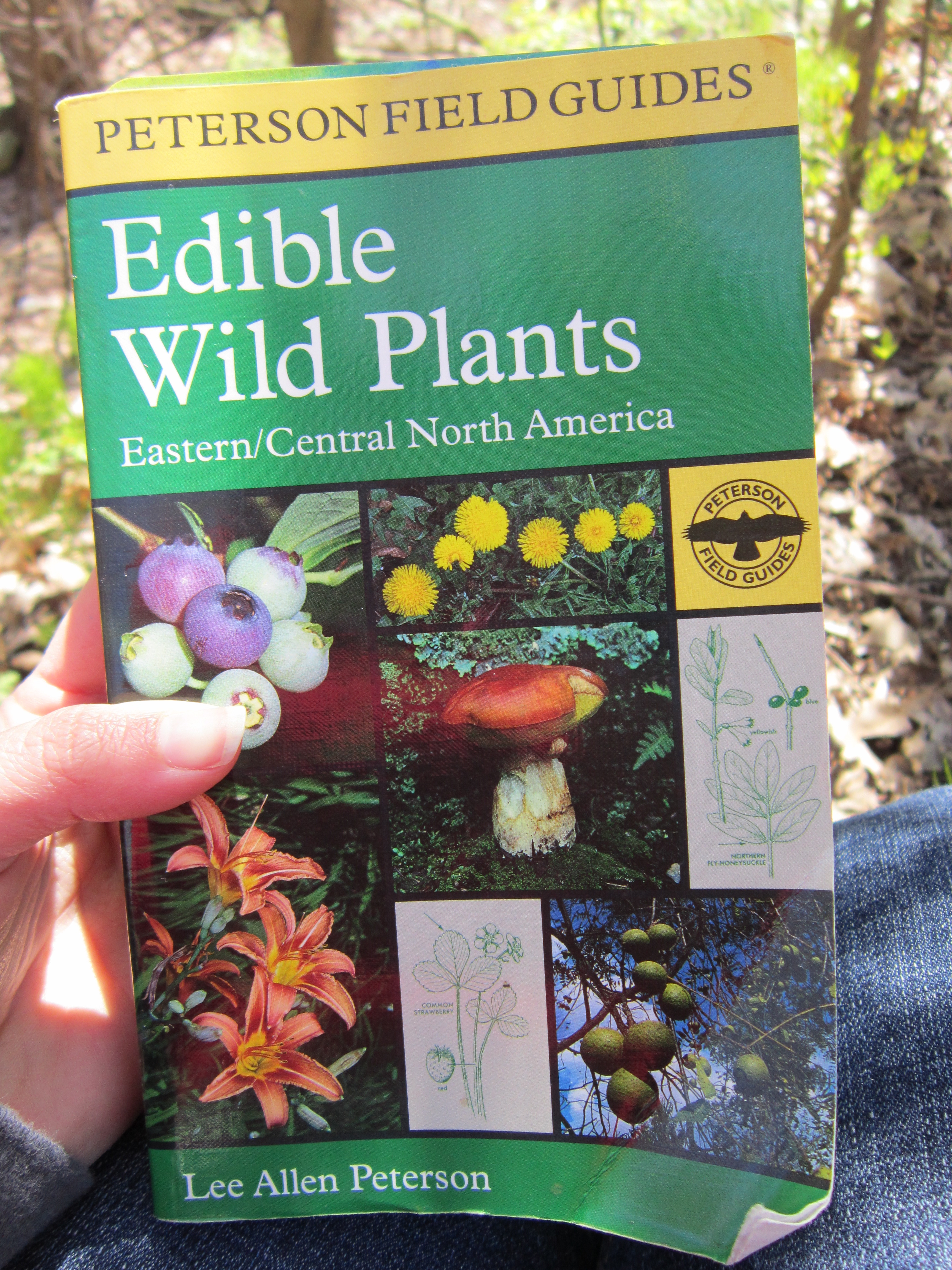
Behold the knowledge

Disclaimer: I have not tried eating all of the plants shown below and I am not suggesting that you do so without adequate preparation! My method generally goes something like this:

1) Find a plant and ID it in my field guide or learn about a plant and aim to find it and identify it.

2) Identify it on at least a few other ocassions.

3) Read about the plant and possible dangerous look-alikes.

4) Try a small amount to make sure it agrees with my body.

5) Eat more.

Let’s begin…

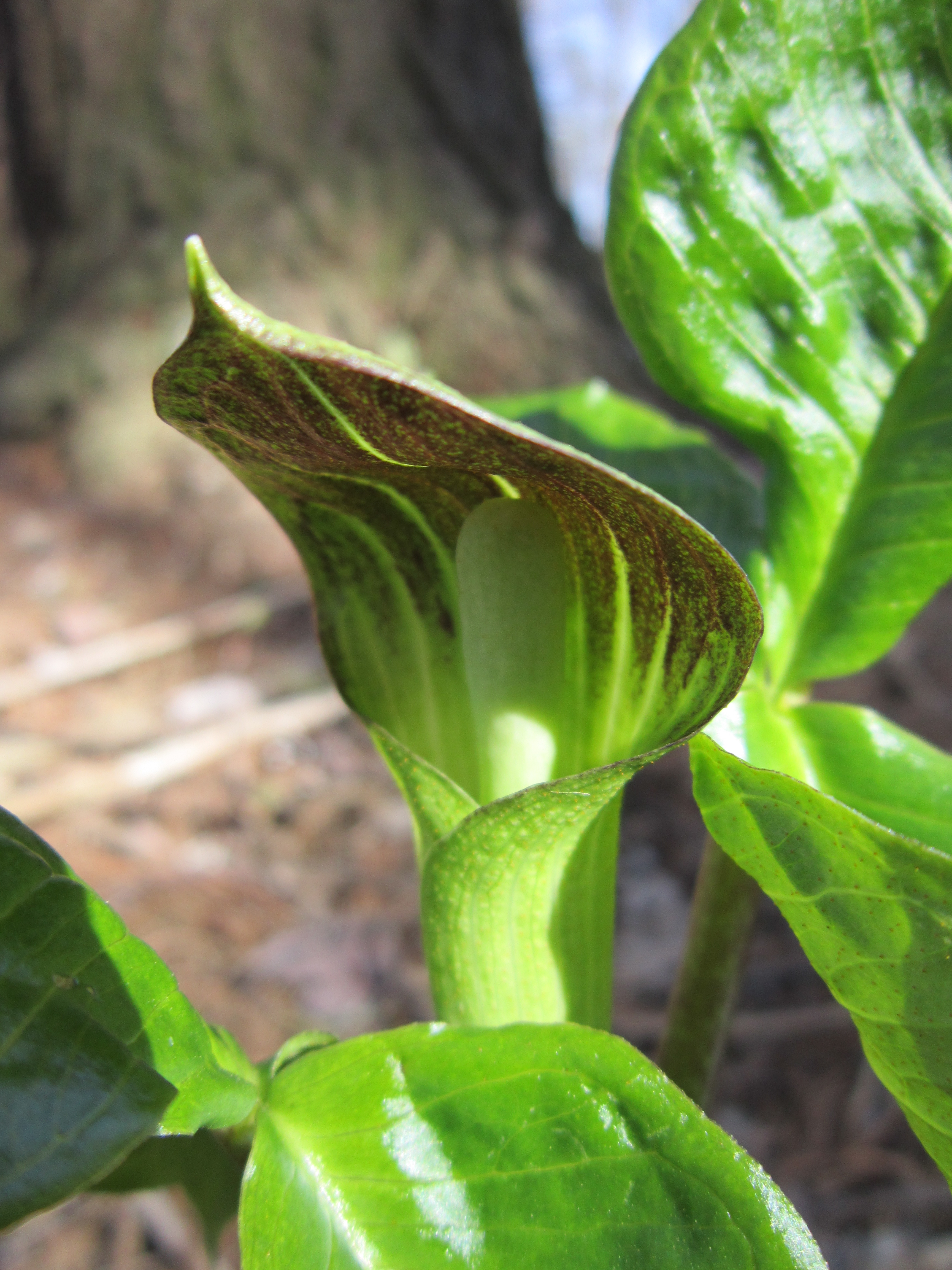
The dried corms (Wikipedia: a short, vertical, swollen underground plant stem that serves as a storage organ) of jack-in-the pulpits can be sliced and eaten like potato chips!

Jack in the pulpit

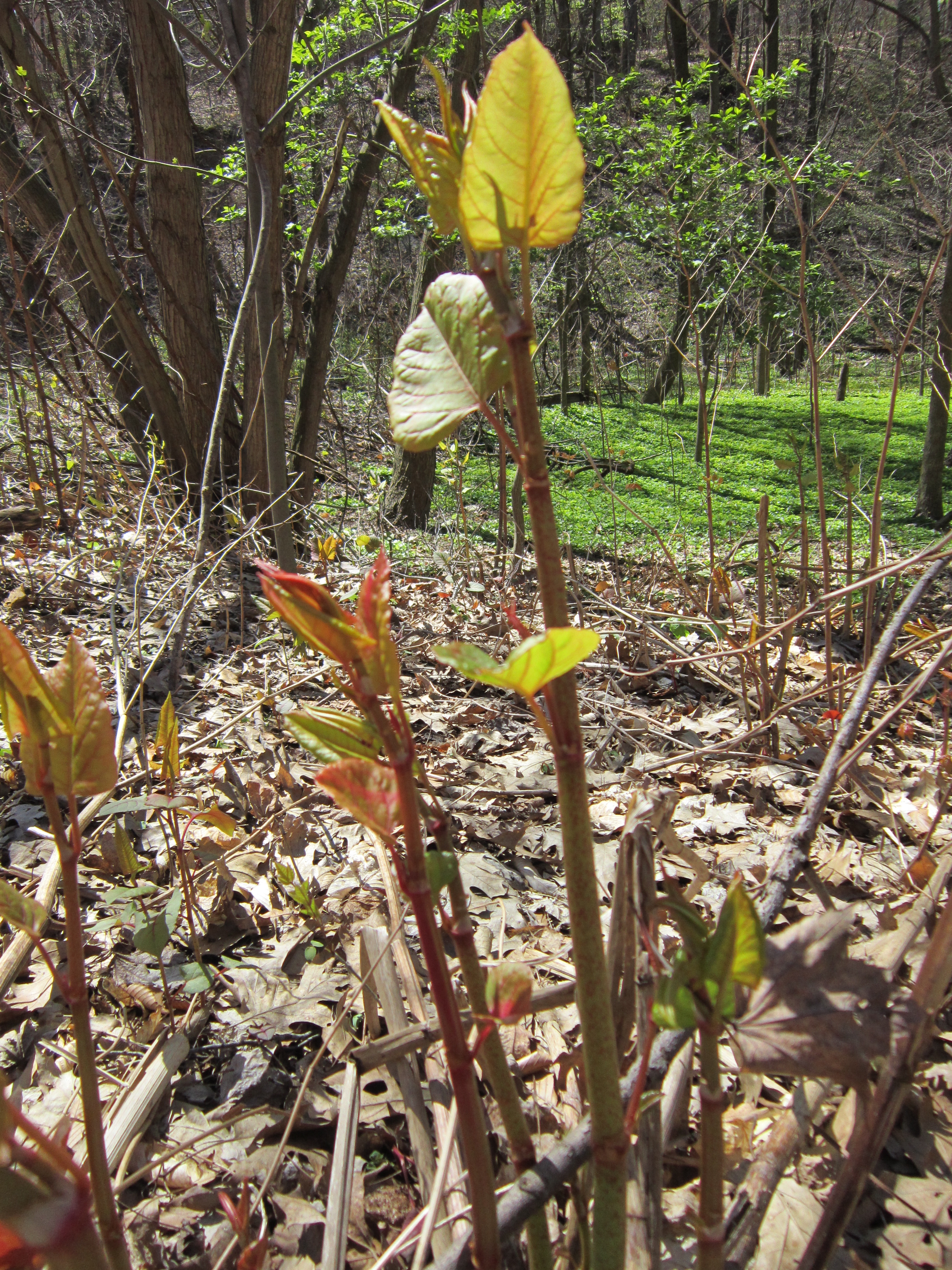
Japanese knotwood can be eaten like asparagus…and I encourage this one due to its invasive nature!

Japanese knotwood

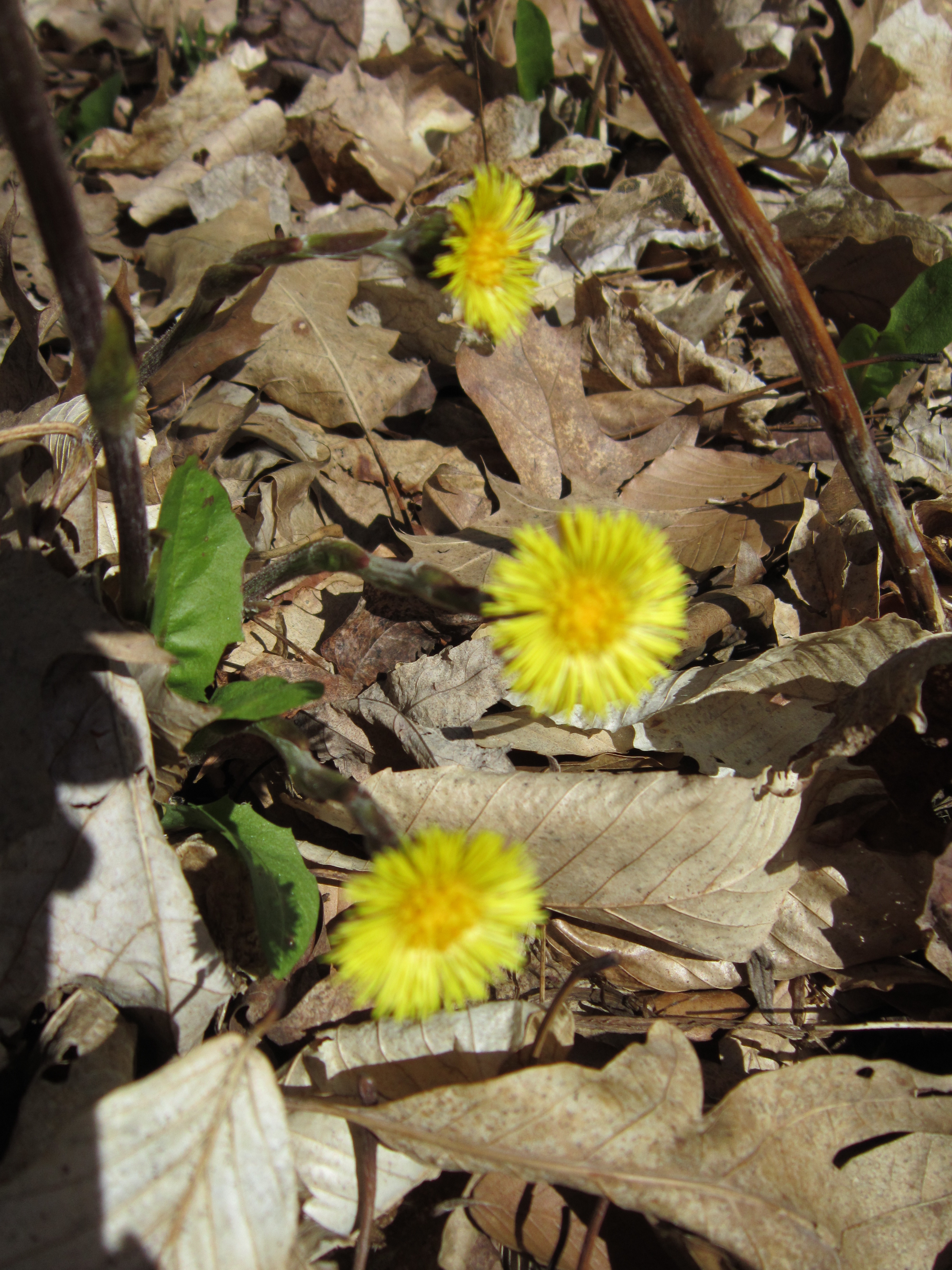
Coltsfoot can be candied and I’m still looking to find a patch big enough so that I can infuse the flowers into honey as a cough remedy!

Coltsfoot

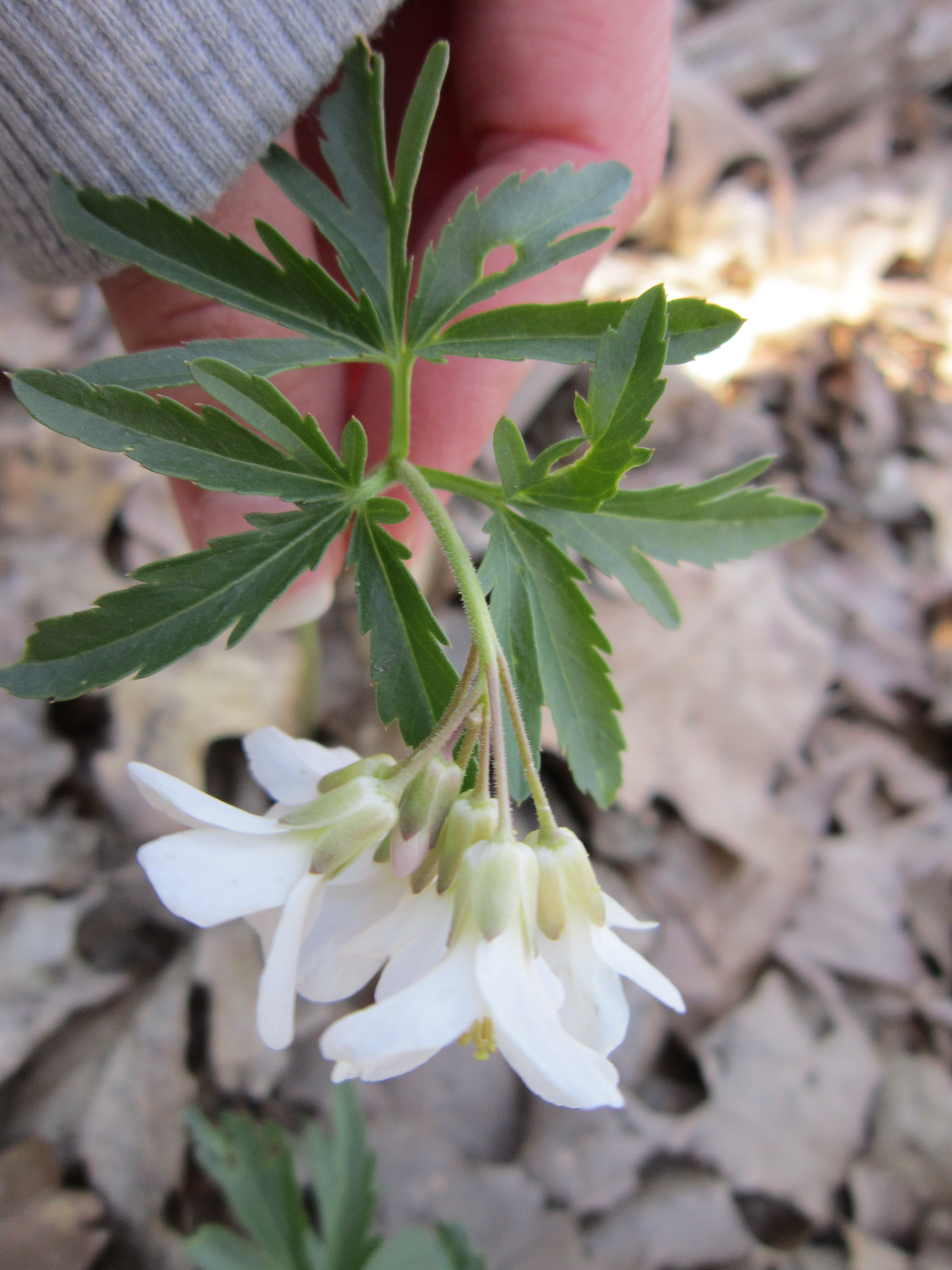
Chopped toothwort root can be substituted for horseradish.

Toothwort

I also hit a ramp jackpot! They were everywhere!

Ramp overload!

Dinner!

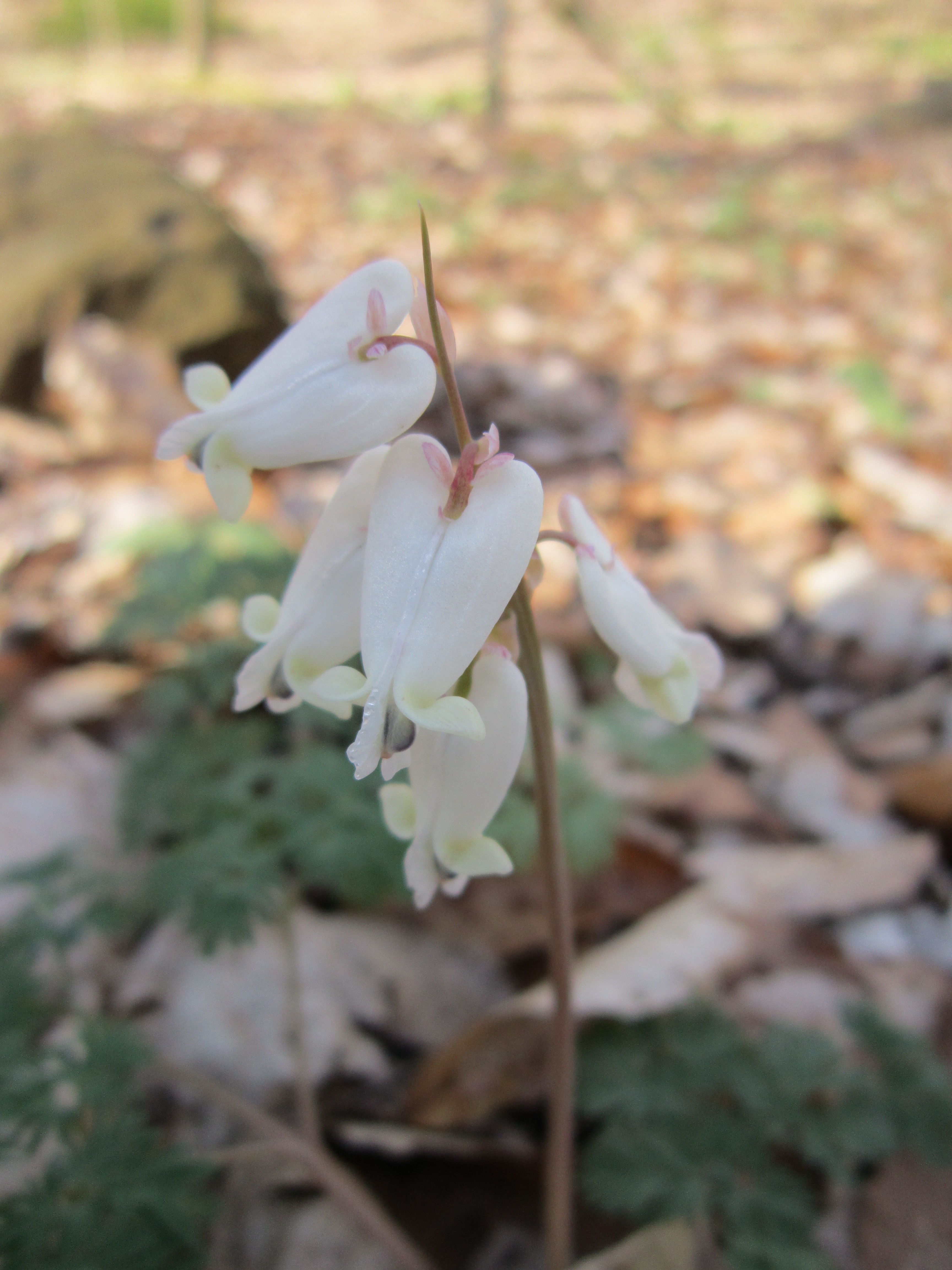
Wandering around this way also leads to other beautiful finds like Squirrel corn (I don’t have any idea about its edibility, don’t try!)…

Squirrel corn. Hehe - such a funny name.

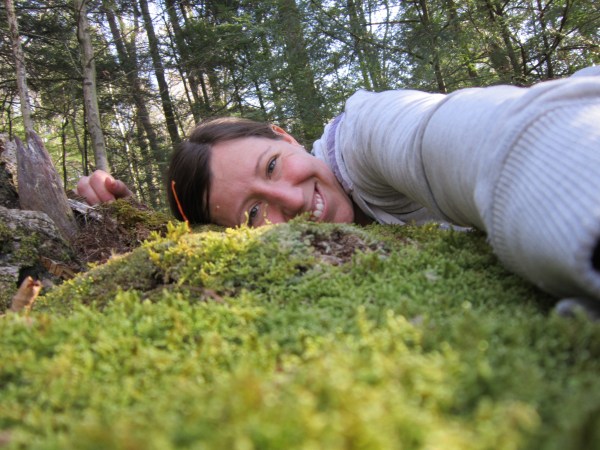
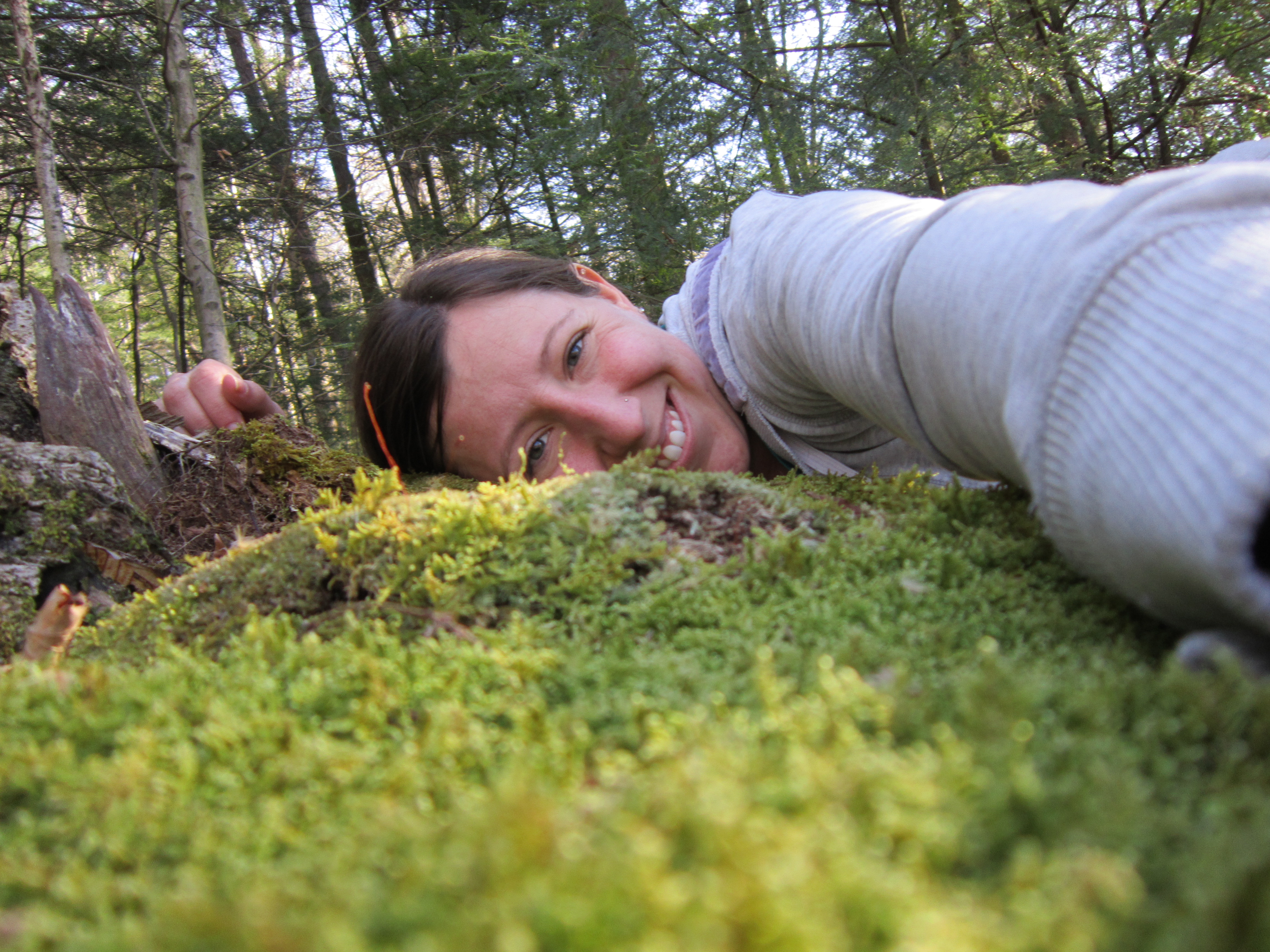
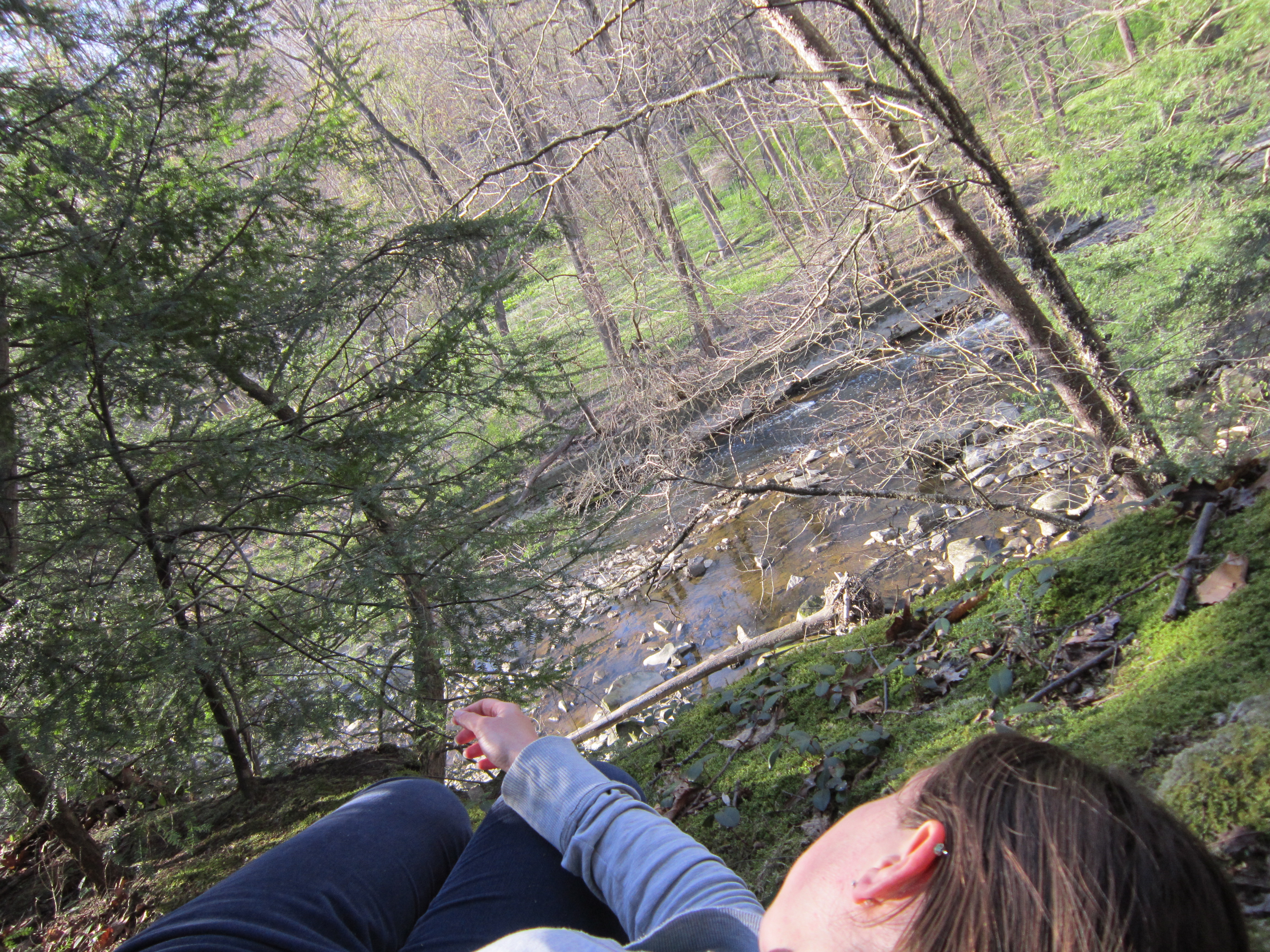
And you also might come across extremely cozy patches of moss at the edge of a ravine.  This is my version of ultimate renewal and peace. I once read that some Native Americans believe that excess energy accumulates in places like this (i.e., cliffs, edges). I think they are right – it feels so wonderful! Why don’t I do this every day?

I’m happy to provide more information to anyone who’s interested!

Go be in nature! Give in to your animal instincts and go foraging!

Enhanced by Zemanta

Remember to Take Your Pine Needles for Good Health!

Did you know that pine needles can provide you with more vitamin C than orange juice? And that they can help to heal your body from respiratory ailments, colds, and the flu?

Some say that the Native Americans taught the early settlers about drinking pine needle tea to help prevent death from scurvy!

Pine needle tea is easy to make, but what are some other things that can be done with pine needles?

They can be infused into a variety of menstrums (liquids used to extract the nutritional or medicinal properties of plants) other than water.  For example, tonight I got a nice dose of vitamin C by using vinegar infused with pine needles in my salad dressing.  White pine needle vinegar (the type I made) tastes similar to balsamic vinegar.

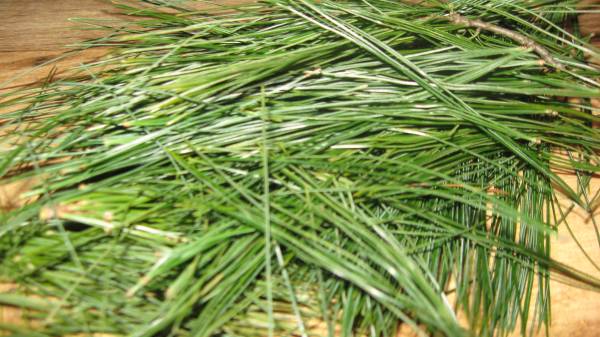
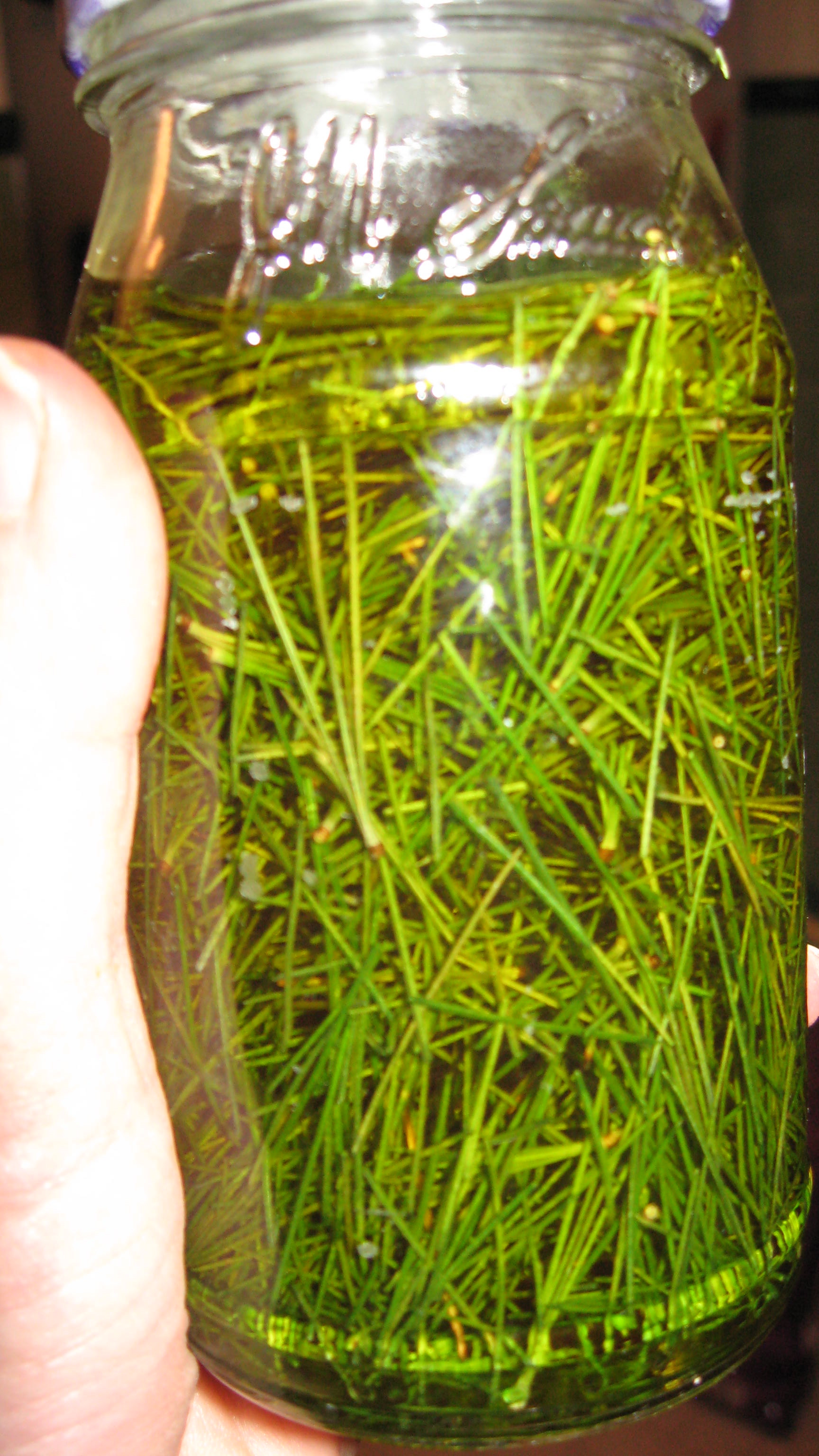
First, you’ll need to gather some needles. I collected a bunch from a white pine.

White pine needles

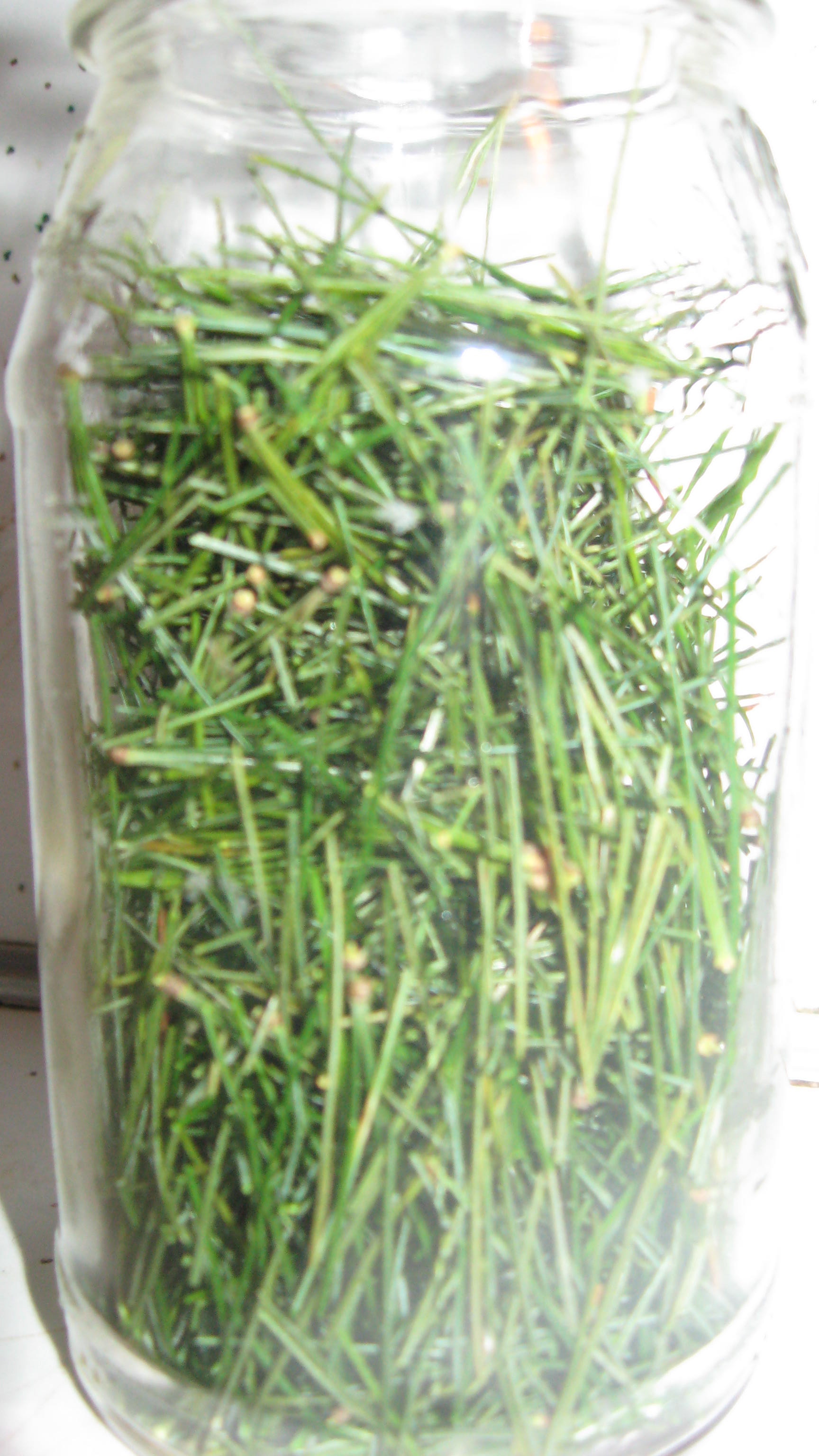
Pick through them to ensure the best ones are being added to glass jars. I also tore these up as I was adding them.

Fill the jar!

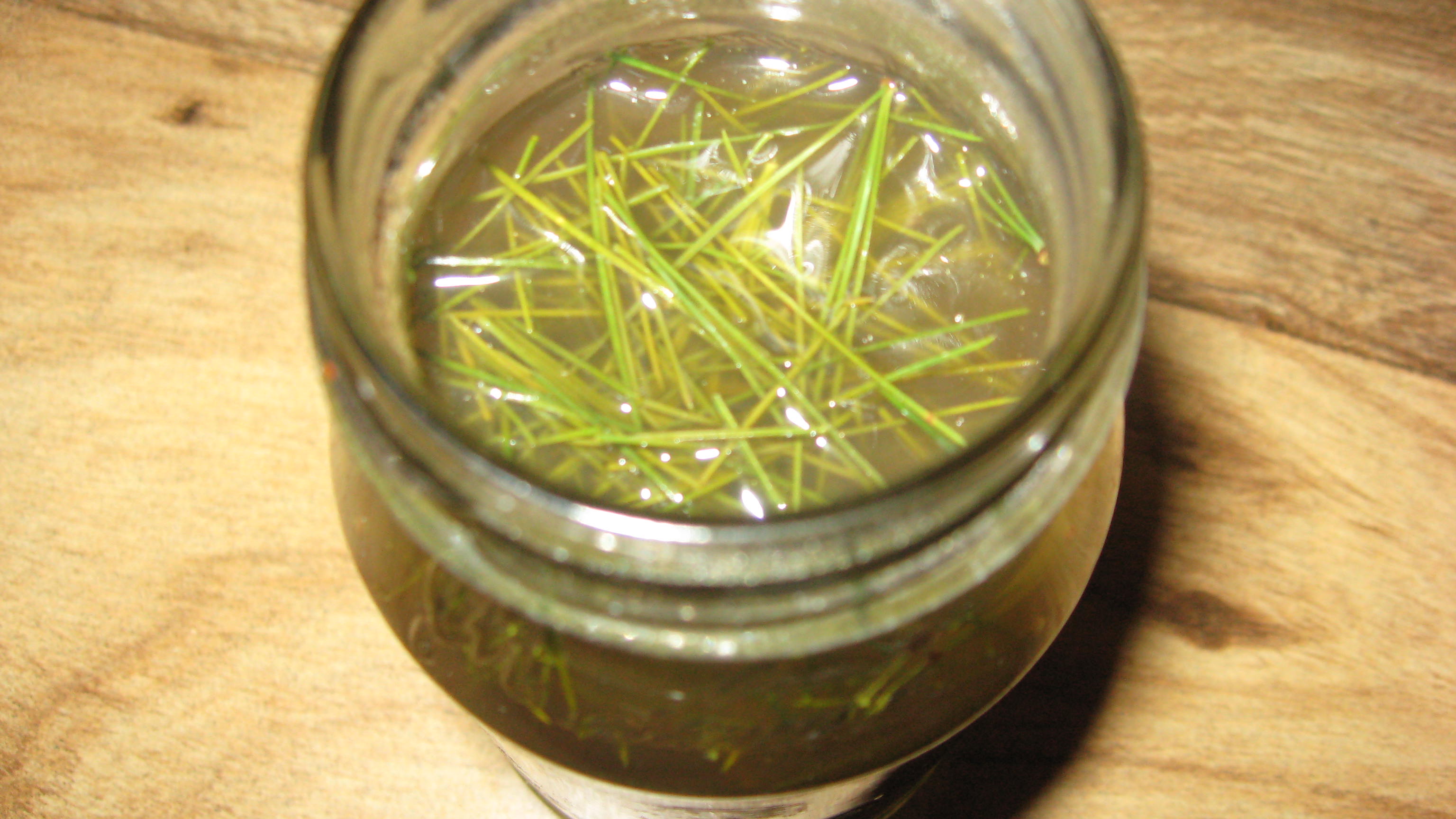
And then cover with the menstrum. In this case, it’s apple cider vinegar.  I get large jugs of the raw kind so I boiled some first to ‘pasteurize’ it before making this vinegar (and I was able to boil enough extra for future use). Make sure to completely cover the needles — poke them down so that they’re an inch below the liquid line.

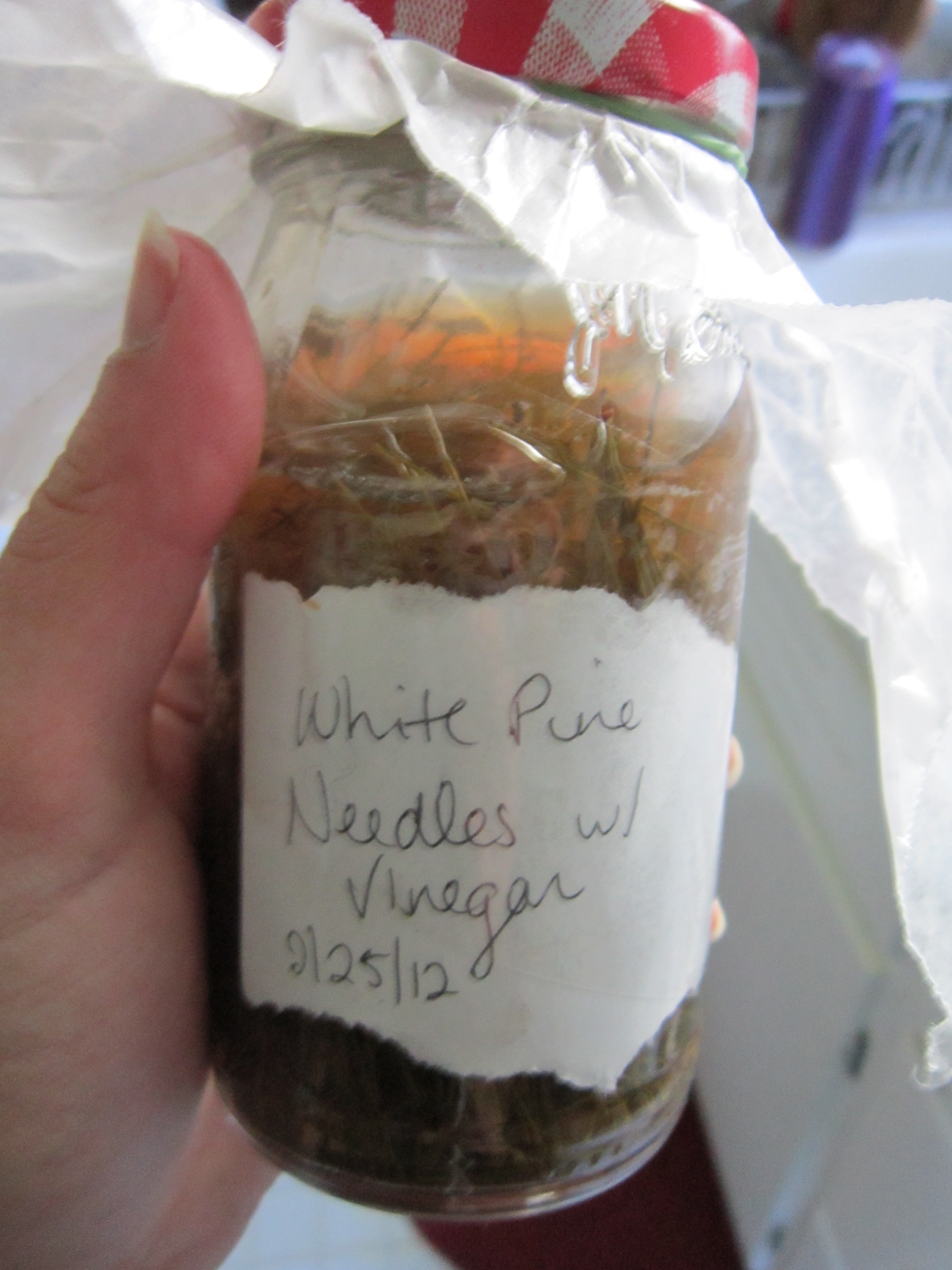
Let the finished product sit for 4-6 weeks before using.  Also, use a plastic lid or put a piece of wax paper on top because vinegar will eat away at the lid.

White Pine Vinegar ready to be strained!

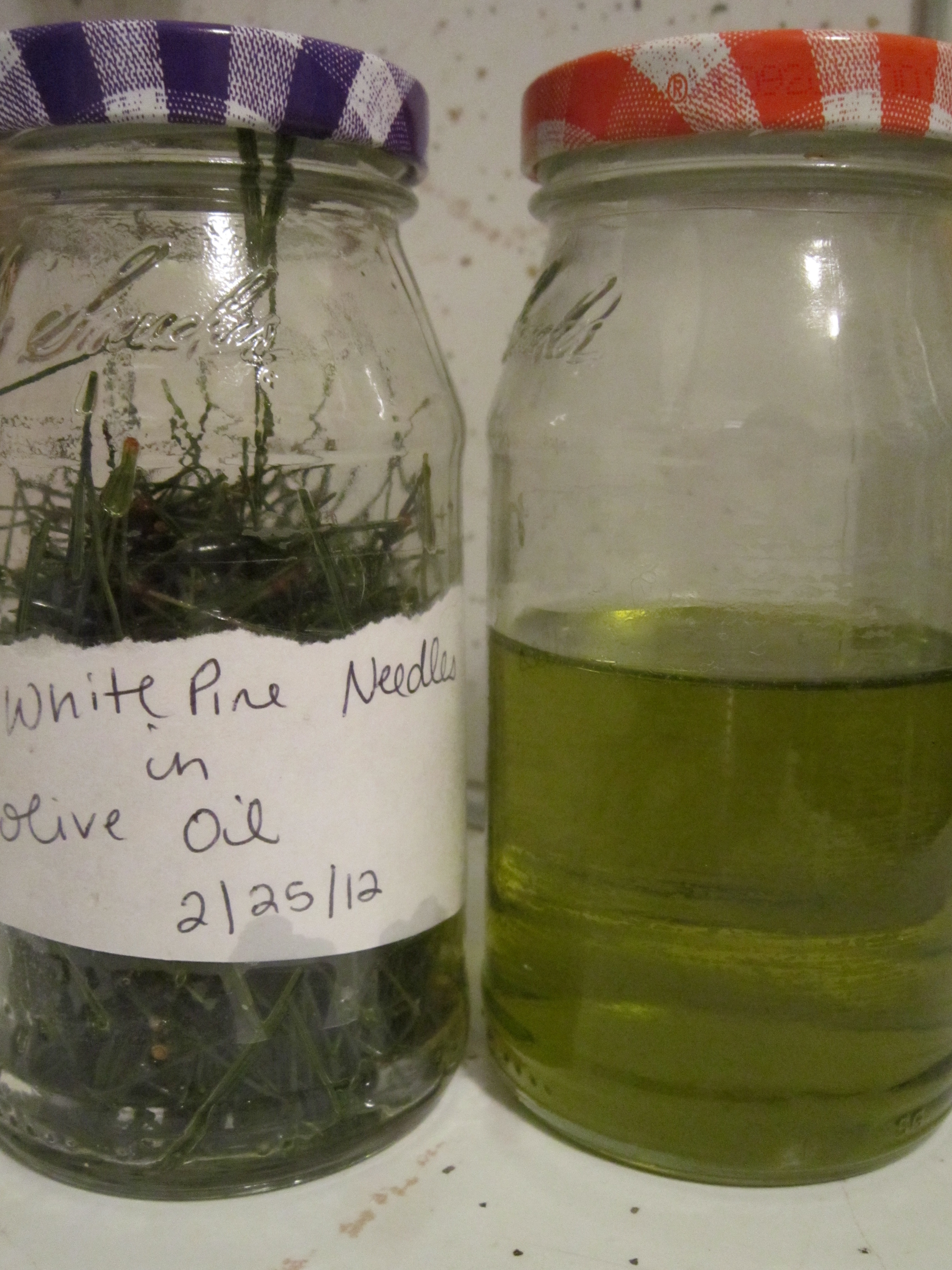
What’s another use for the pine needles?  Infuse them in olive oil!  The oil can then be used as a relaxing massage oil or as a chest rub to help with respiratory issues.

Cover a jar full of pine needles with the oil and let sit for 4-6 weeks.

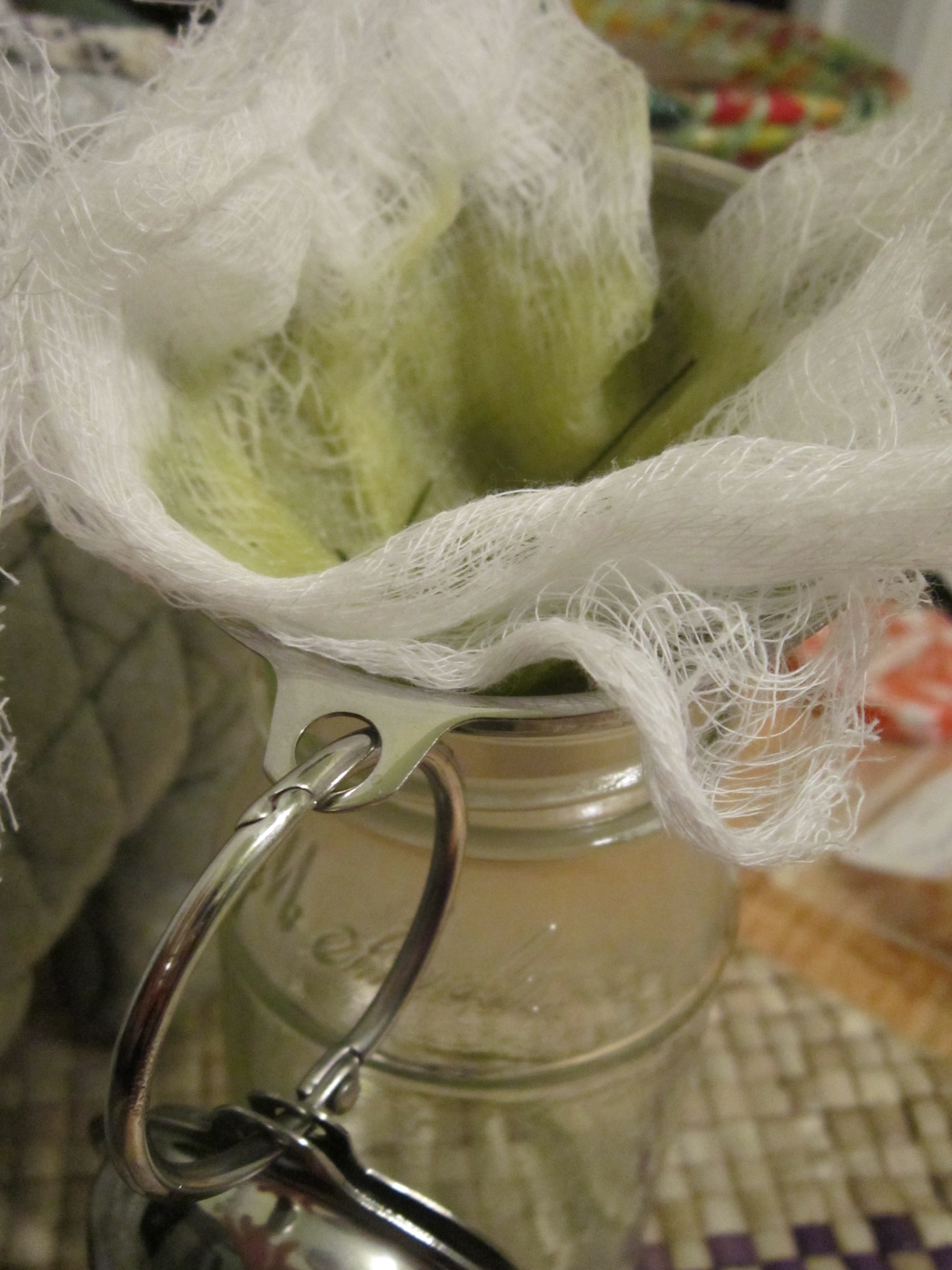
When you’re ready to use the oil, strain the needles out.

And you’re left with pine needle infused olive oil!

The oil can also be turned into a salve that can help to remove splinters (although it seems that the actual sap of a pine tree might be best at this!), or it can be put on small wounds to help them heal.  I’ve also been having a fun time using it as a lip balm!

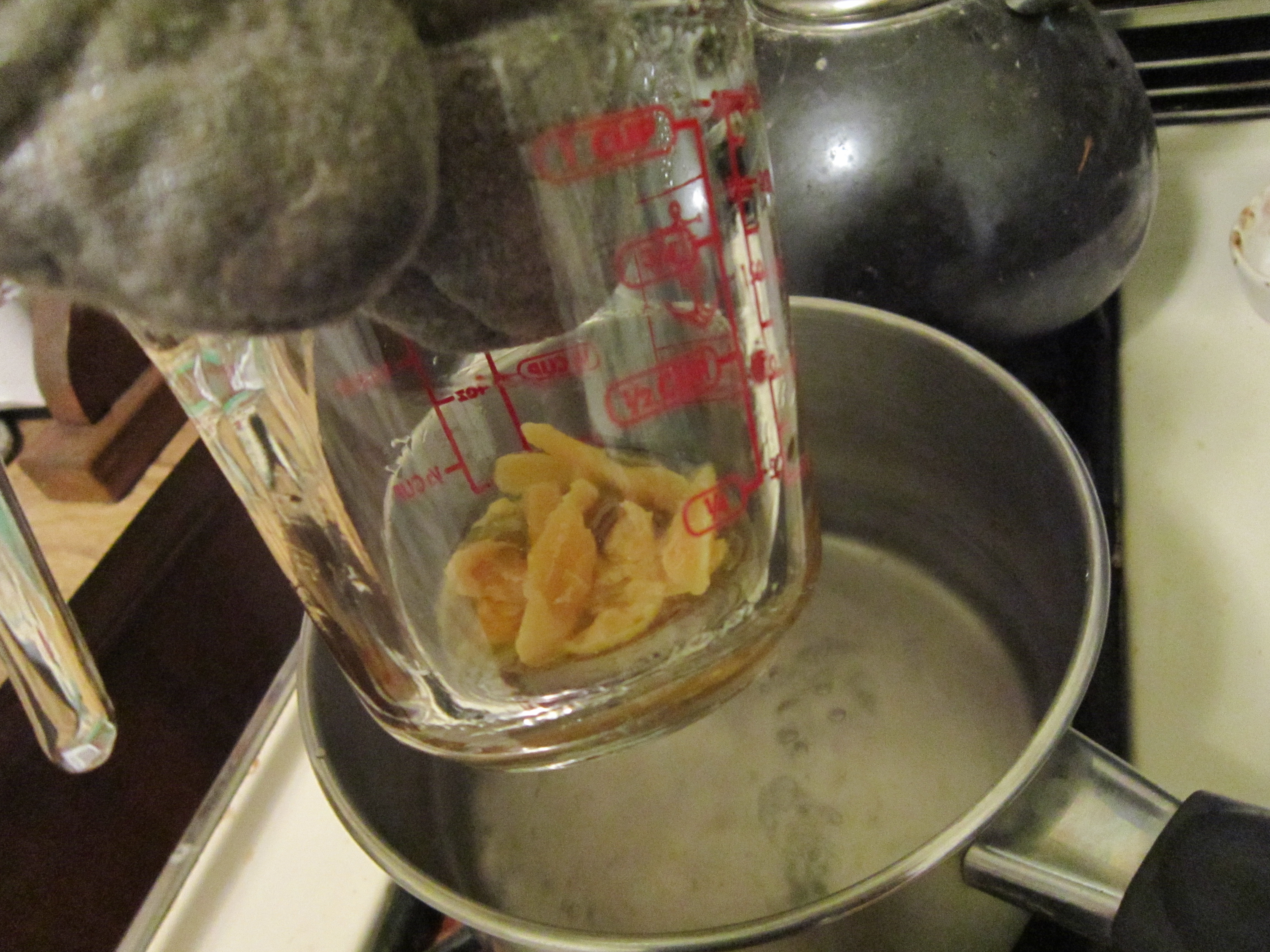
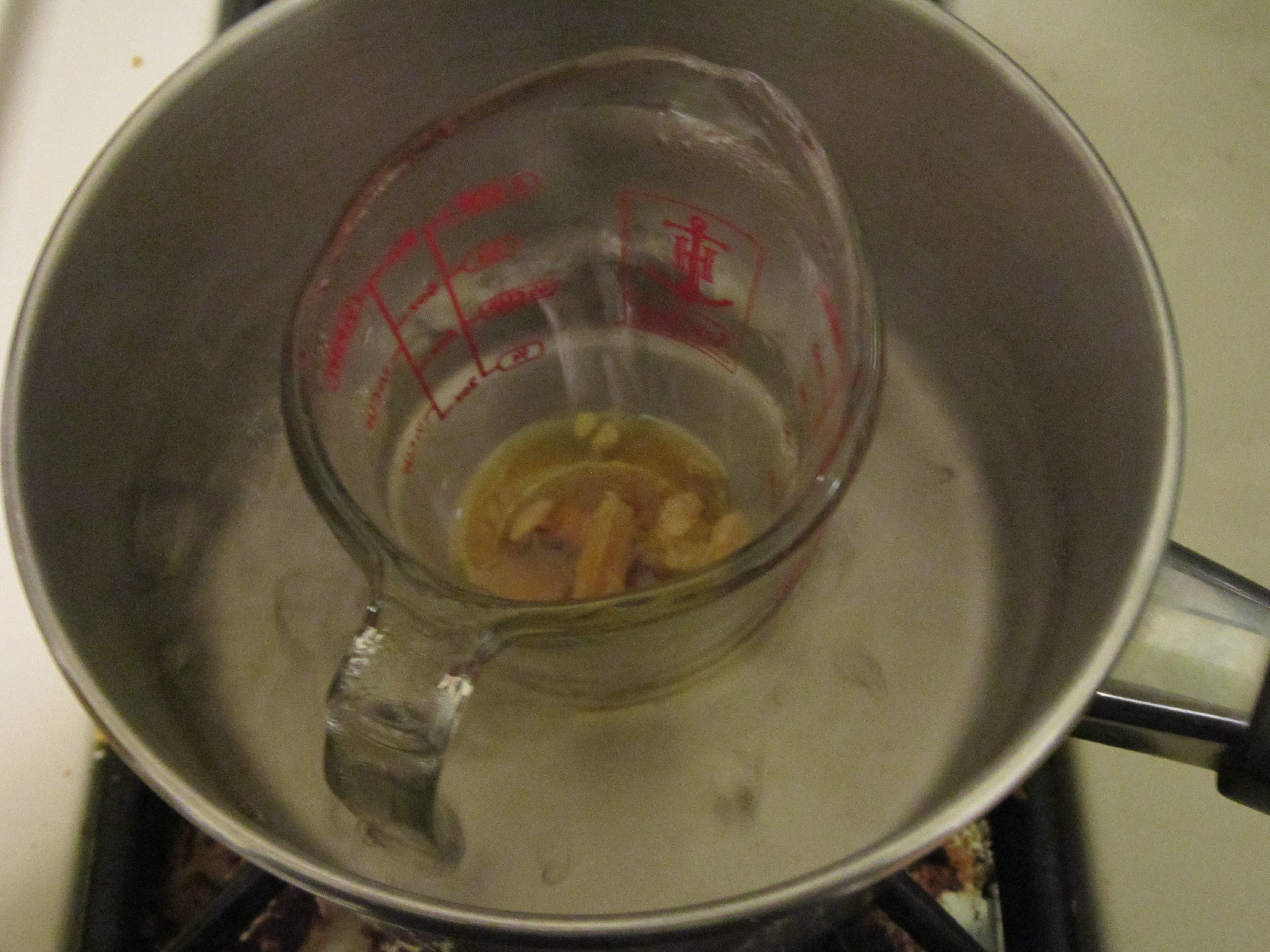
To make a salve, create an easy double boiler by putting a measuring cup into a pot of boiling water.

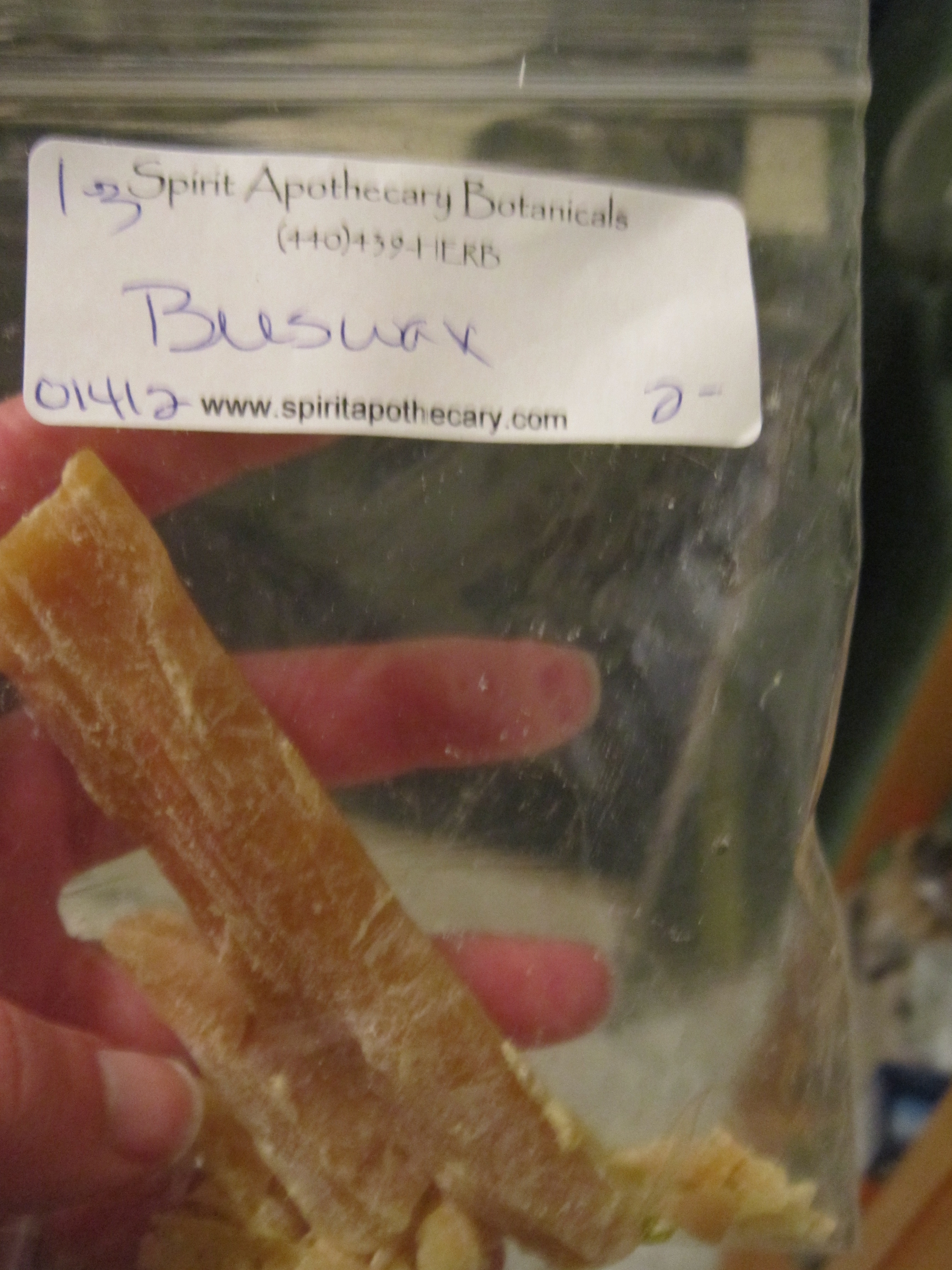
Add 2 Tablespoons of beeswax (I just guessed at the amount when I made this…) to the measuring cup and let melt.

After it has melted, add 2 ounces (1/4 cup) of the oil infused with pine.  Stir with a chopstick until you reach an even consistency.  Test to see if you’re done by putting a drop on your counter. It will allow you to quickly see if the salve is firm enough or too runny.  Too runny? Add more beeswax. Too firm? Add more oil.

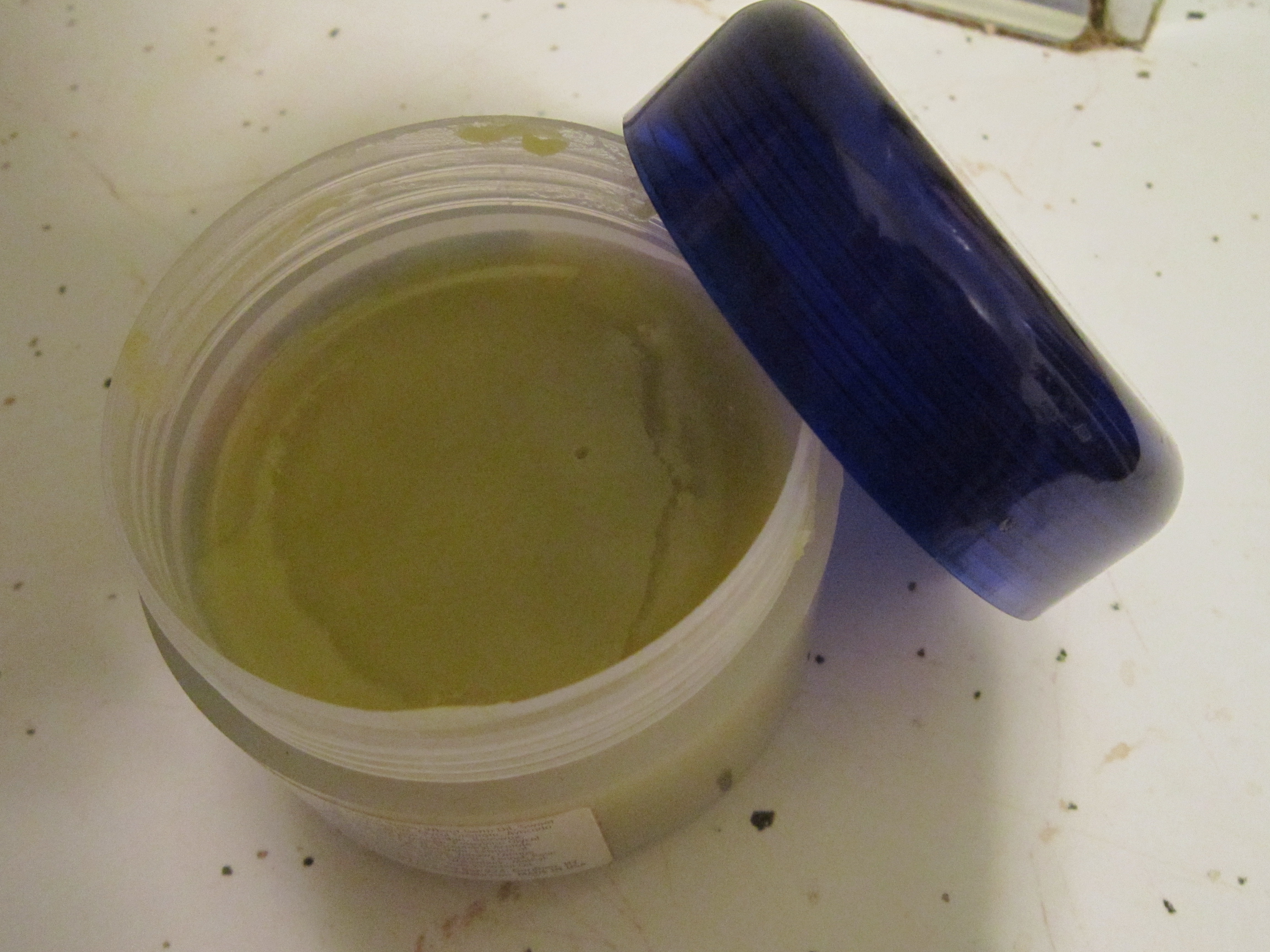
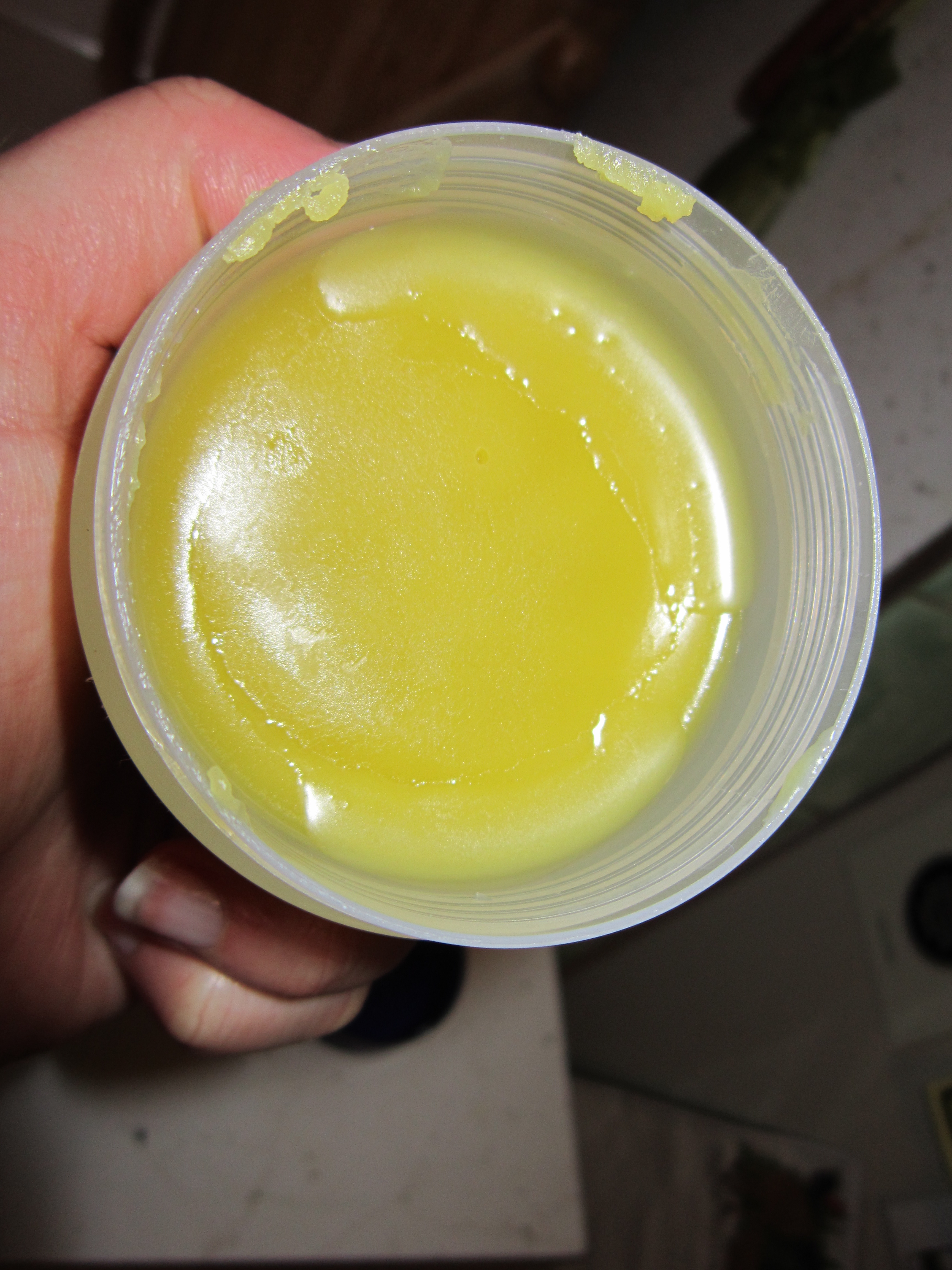
When the mixture is consistent, pour it into a reused container and let sit to become a salve!  Use and enjoy knowing exactly what went into your product!


Enhanced by Zemanta

Wandering on the Last Day of March: Impermanence & Wild Ramps

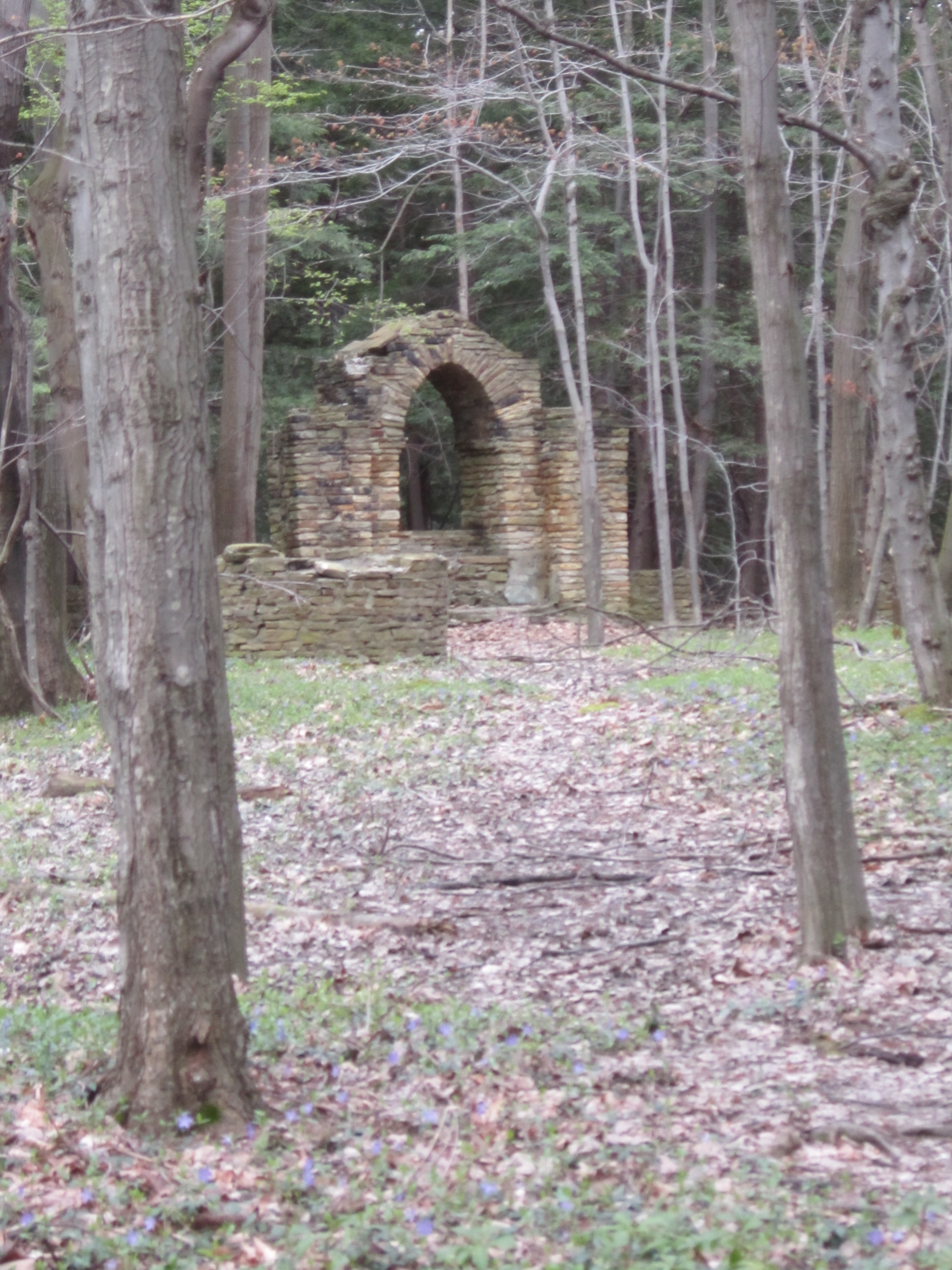
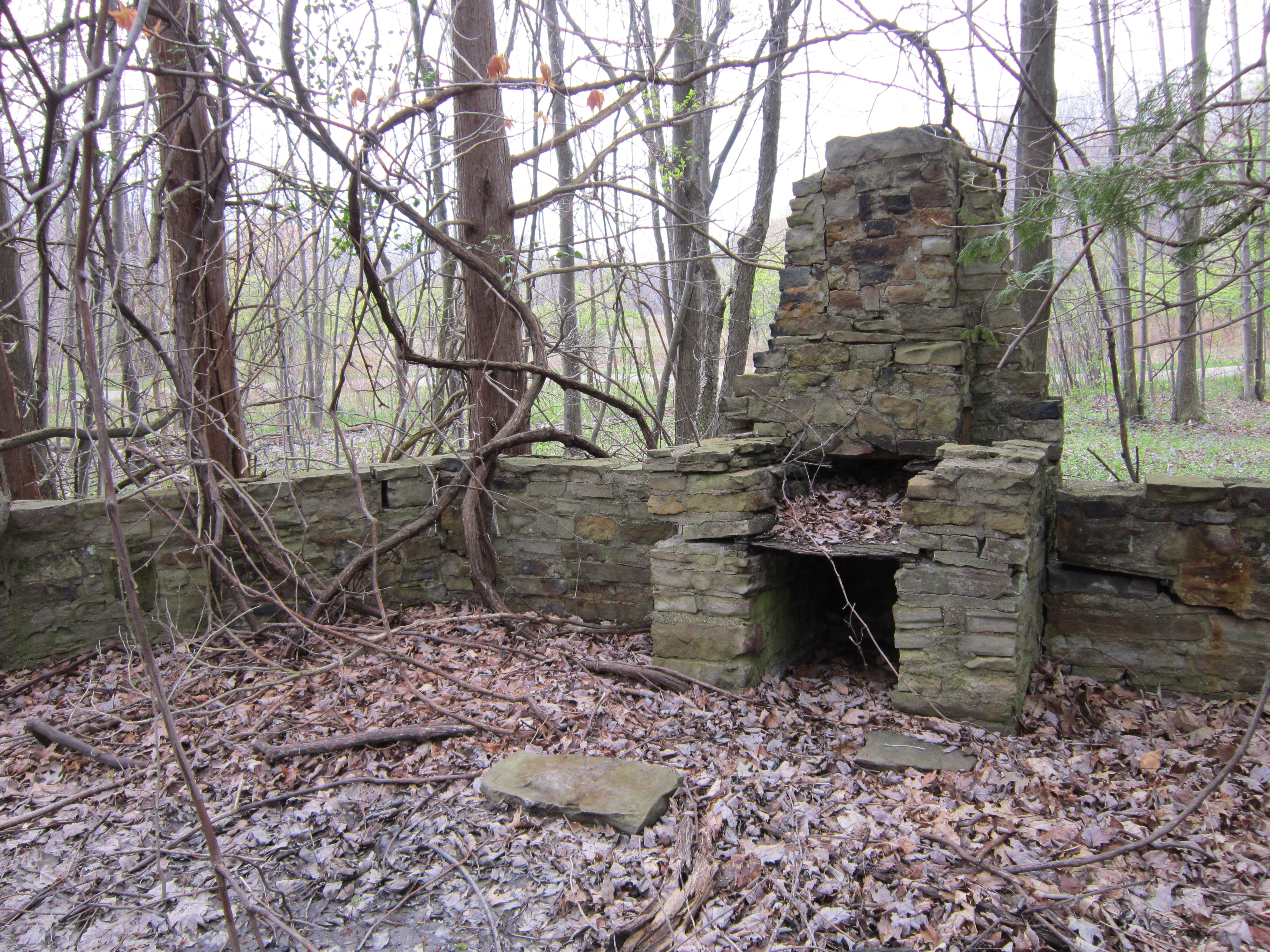
Yesterday, a hike through one of my favorite places to be in nature revealed several gifts.

First, was a reminder of impermanence. Everything is always changing and it is best not to become attached to any objects, people, or situations.  Strive to find happiness in each moment.

Everything will return to the Earth in time.

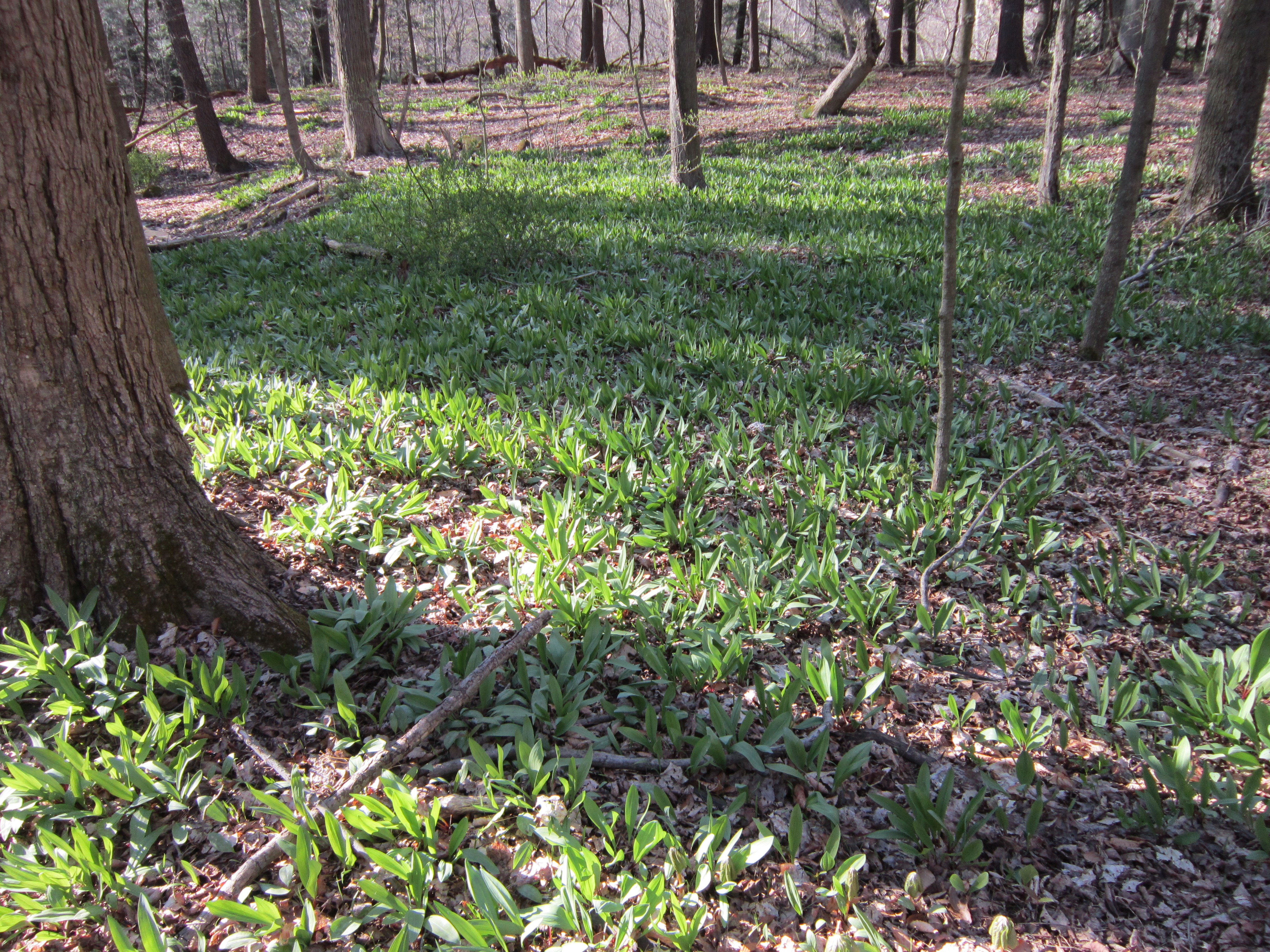
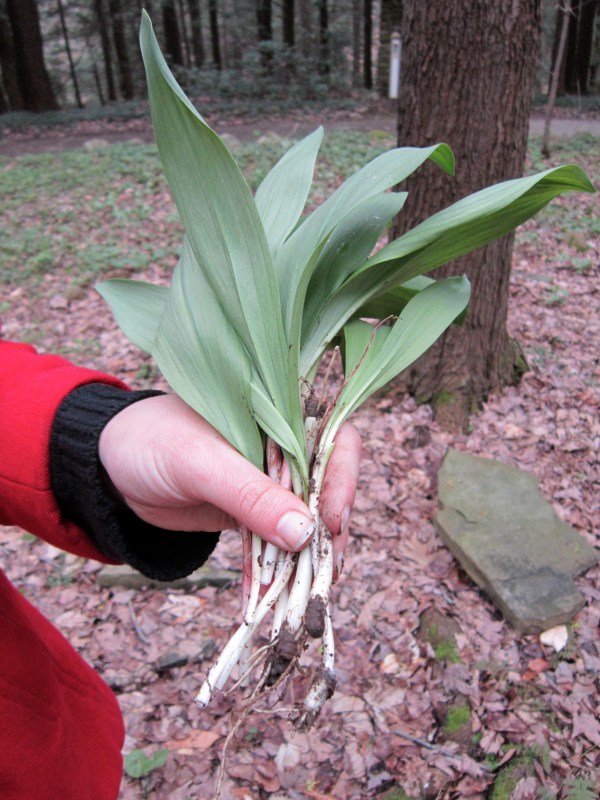
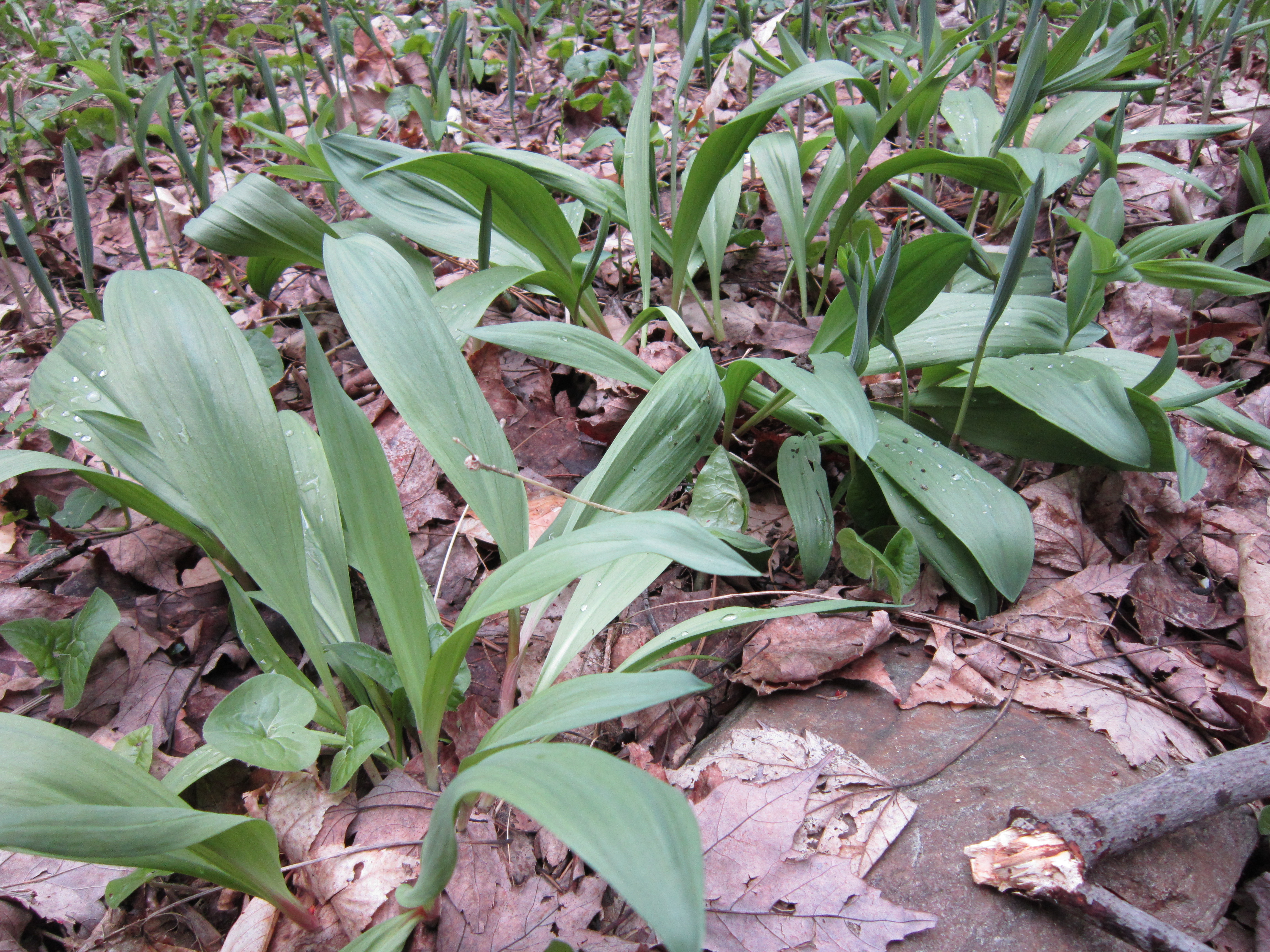
Second was a gift of free nourishment!  We found wild ramps (Allium tricoccum), a perennial wild onion.

Patch of ramps

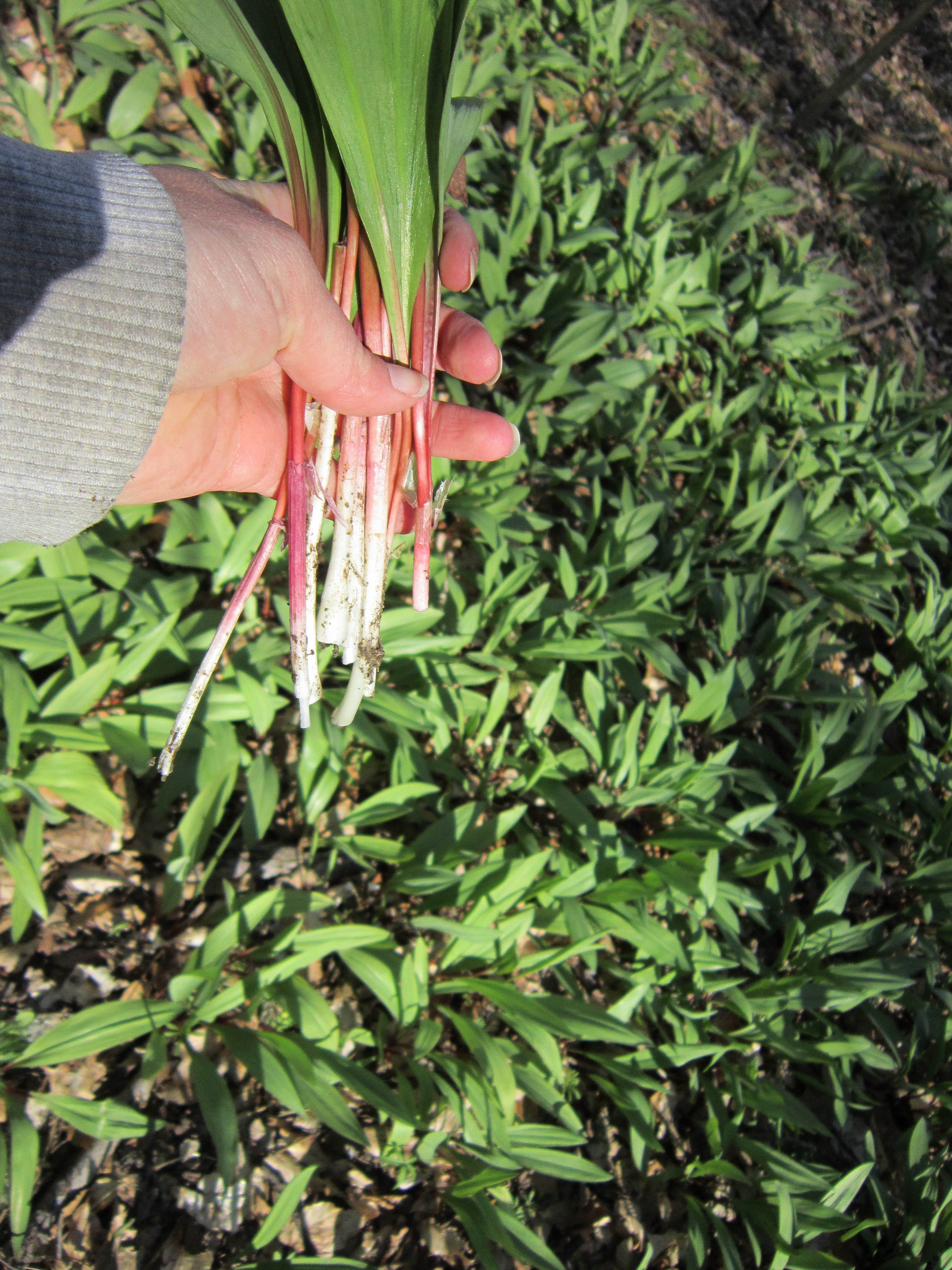
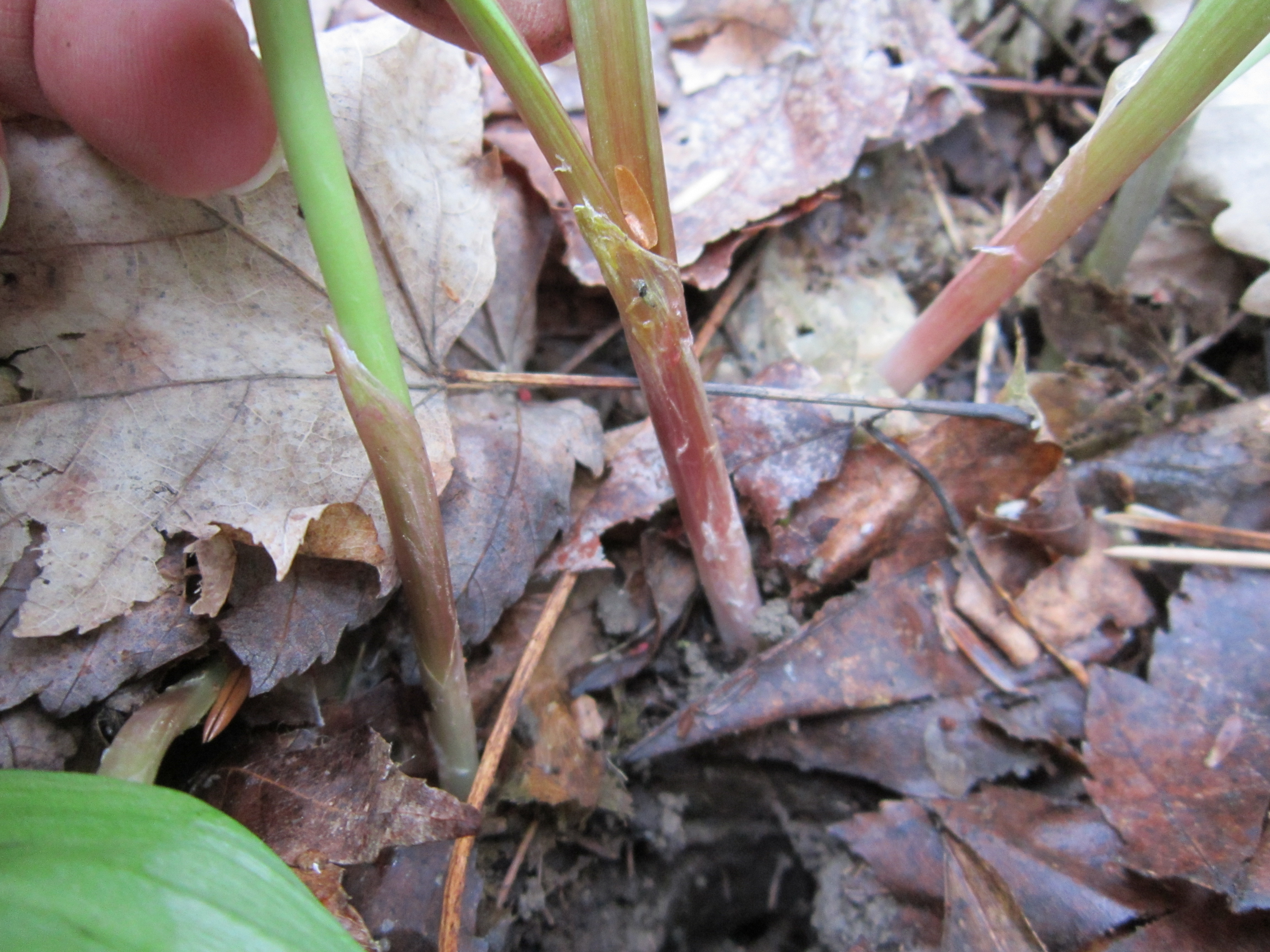
When you get closer, you can tell they’re ramps by the slight reddish-purple color where they meet the ground. And when you pull them, you’ll know they’re ramps by their characteristically onion smell.

Reddish-purple: yup, ramps!

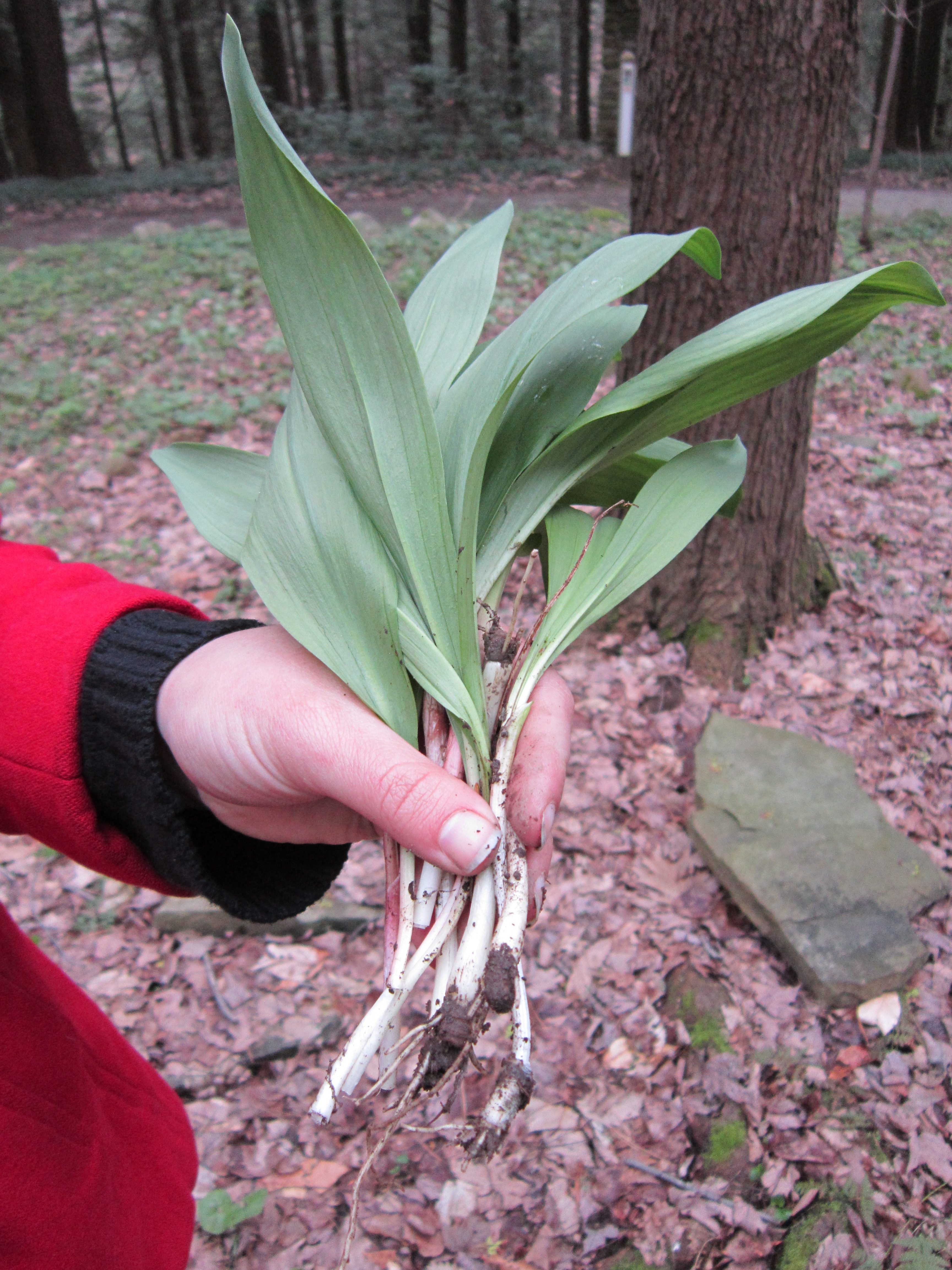
I harvested several.  It’s important that we’re not greedy when wild harvesting things so that we (and other creatures who depend on them) will have these foods in the future. Always leave many more plants than were harvested (some suggest harvesting every 4th ramp).  Another idea is to just pull the ramp up from where it meets the ground — you’ll still get some of the onion, but the bulb will be left to grow again.  Or even consider being regenerative with the onions and if you take some bulbs, use a few to start a new patch elsewhere.

Ramps for me; ramps for free

Ramps have sulfur compounds that are detoxifying for your body — try some today!

Also, did anyone else participate in this year’s Earth Hour?

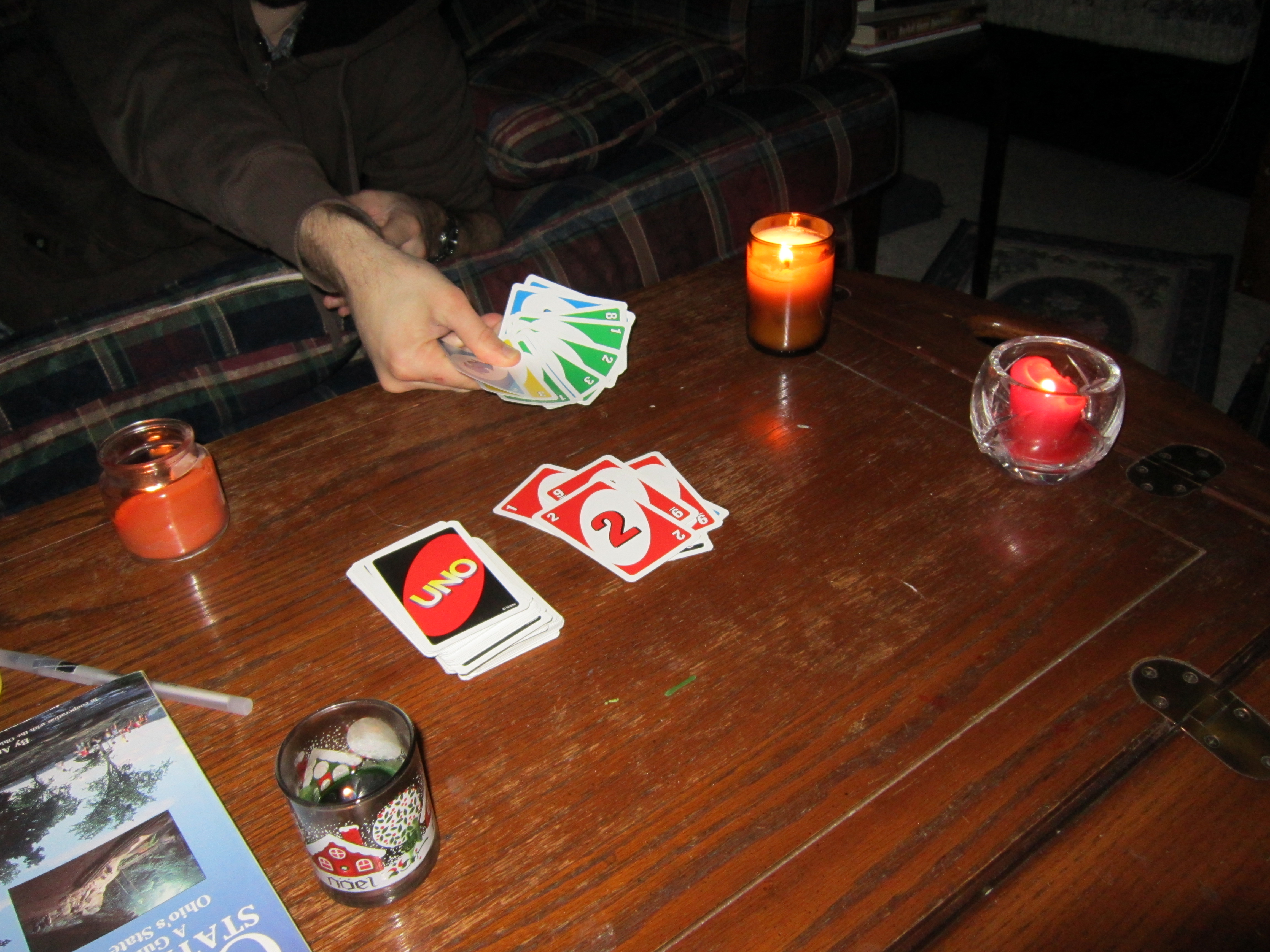
It’s a fun way to show support for the Earth, be reminded of how much we depend on electricity, and to unplug for awhile! The camera-flash makes it look bright, but we had fun with candles as our only light for over an hour.  I’d like to do this more often!

Candlelight night!

Enhanced by Zemanta

Thank you, bike…

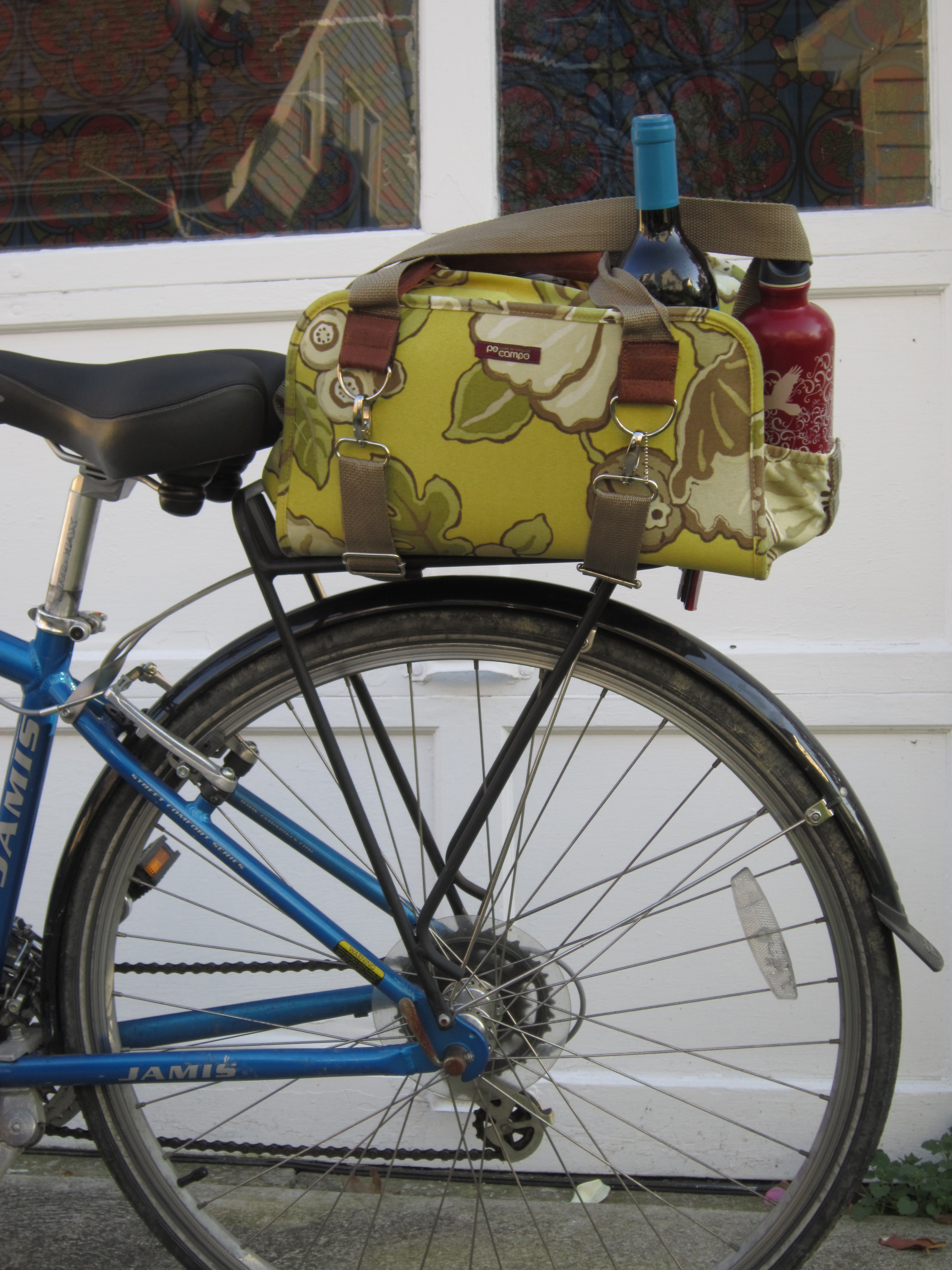
…for allowing me to feel the joy of a Spring day detour to purchase wine for the evening on the way home from work.

See? Living sustainably can be fun, too!

Now if only there was a local urban winery to complete this lovely feeling I have…

There’s an idea!

(And thanks Po Campo for the hip bag!)

Happy St. Patrick’s Day! Plant some peas. Start a community garden.

Today is full of the color green in more ways than one. I’ve seen a lot of people sporting green shirts and I’m more than happy that I’ve spent the better part of the day engaged in some “green” activities — pea planting and helping with the foundation for a new urban permaculture garden.

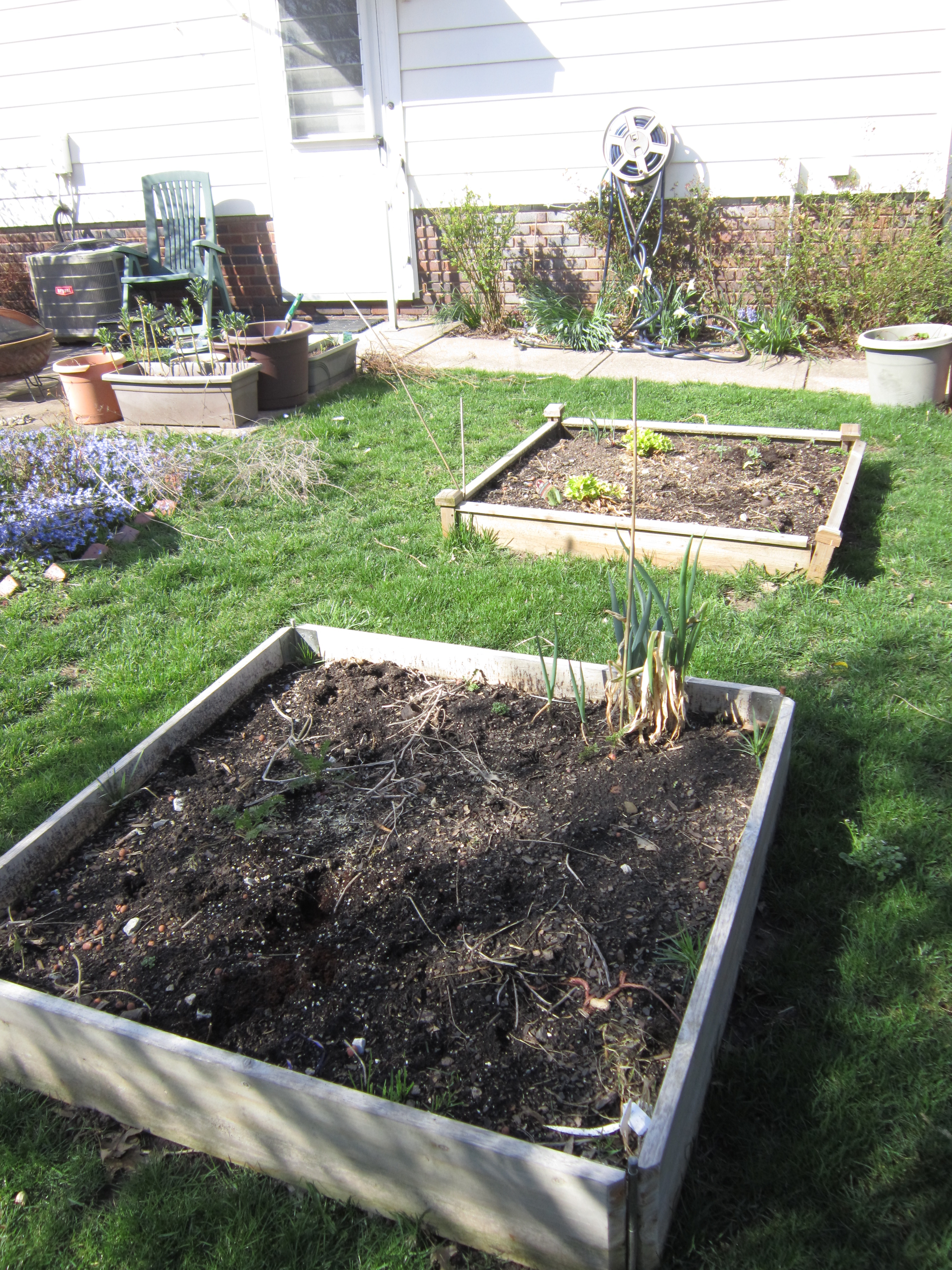
I’ve been doing some garden clean-up activities this week, but today was the first day I really have dirt under my fingernails and that feels totally refreshing. There are so many possibilities for this year’s garden….it’s still very bare (with a few exceptions — some winter survivors, garlic, and weeds)!

The before picture…

Grandma has always said that peas should be planted near St. Patrick’s Day. As one of 12 kids on a farm, I’d say she must be well aware of the best time to plant peas.  So, what better day than the actual St. Patrick’s Day?

Let’s plant peas!

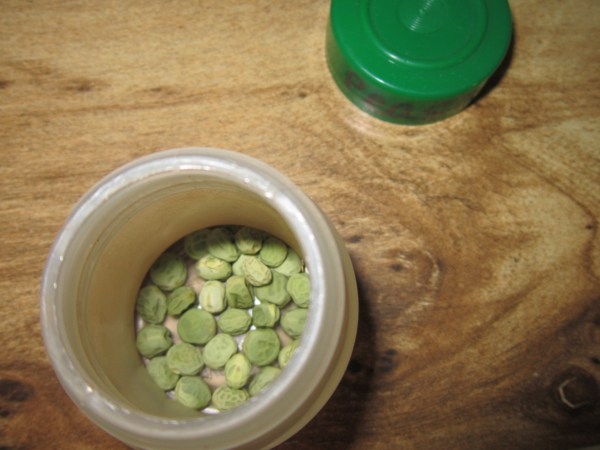
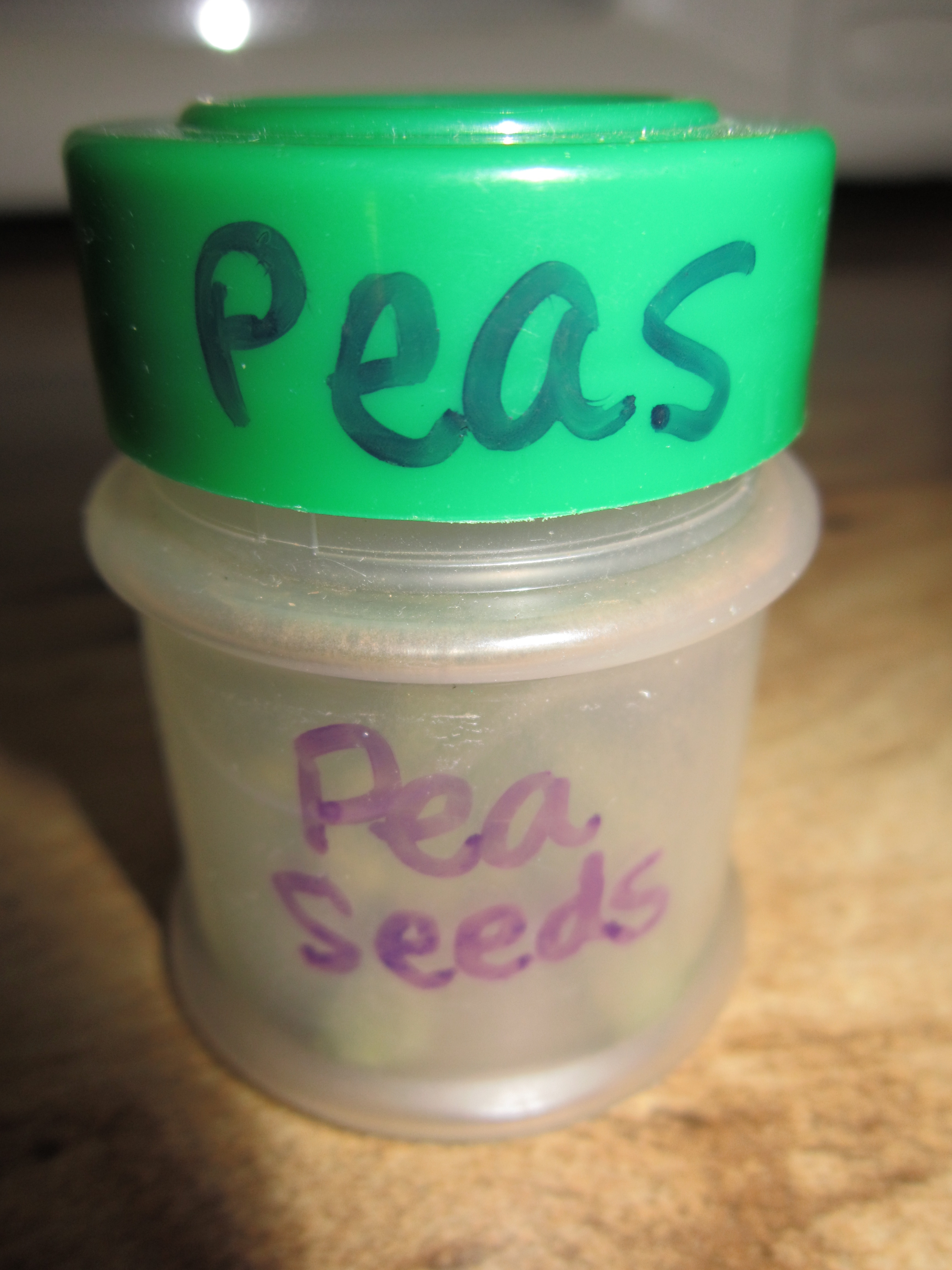
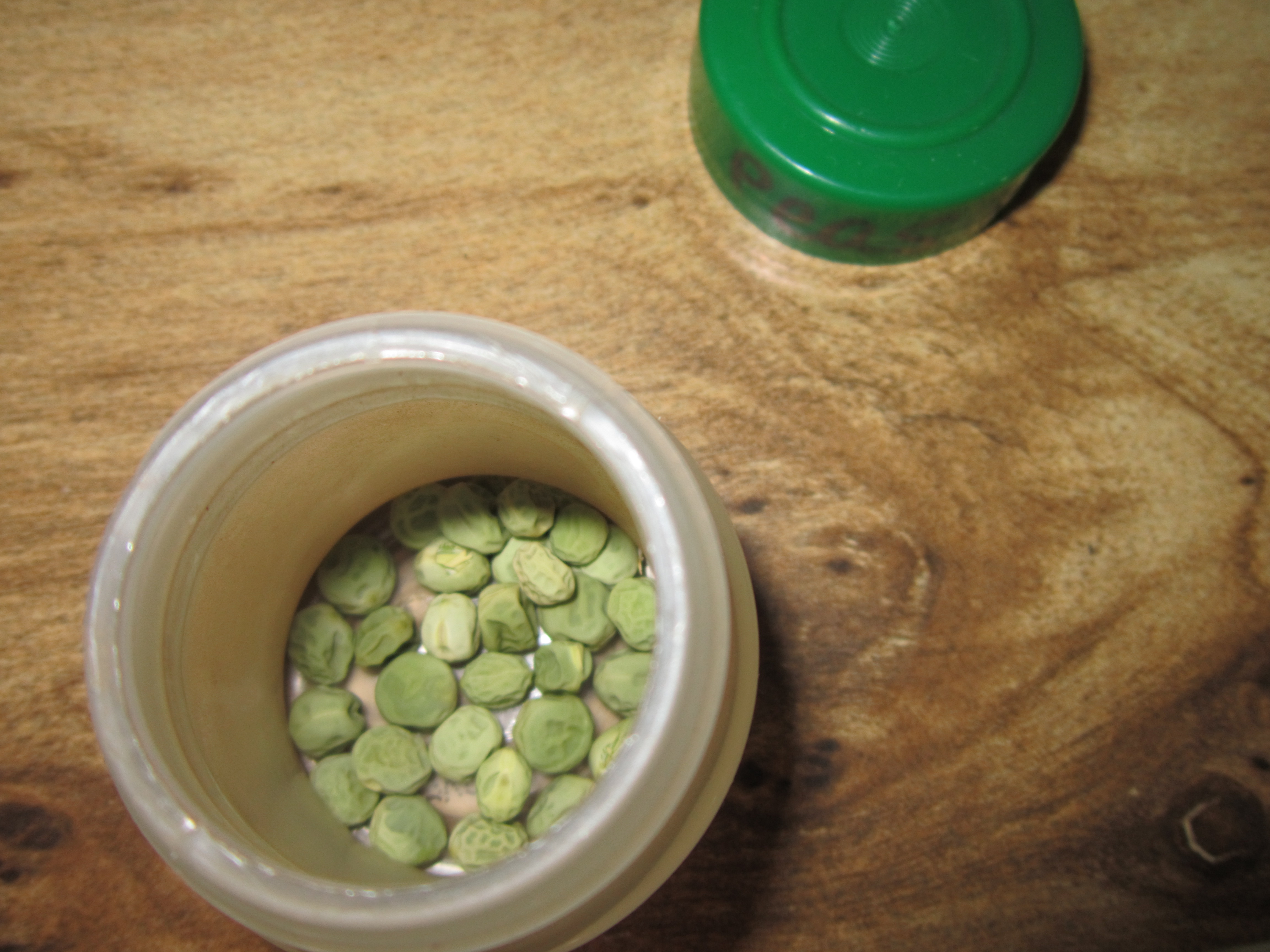
Lucky for me, I didn’t even have to buy peas as I saved some from last year.  This was one of my first tries at seed saving so I’ll keep my fingers crossed that this will work.

Not many but these will do!

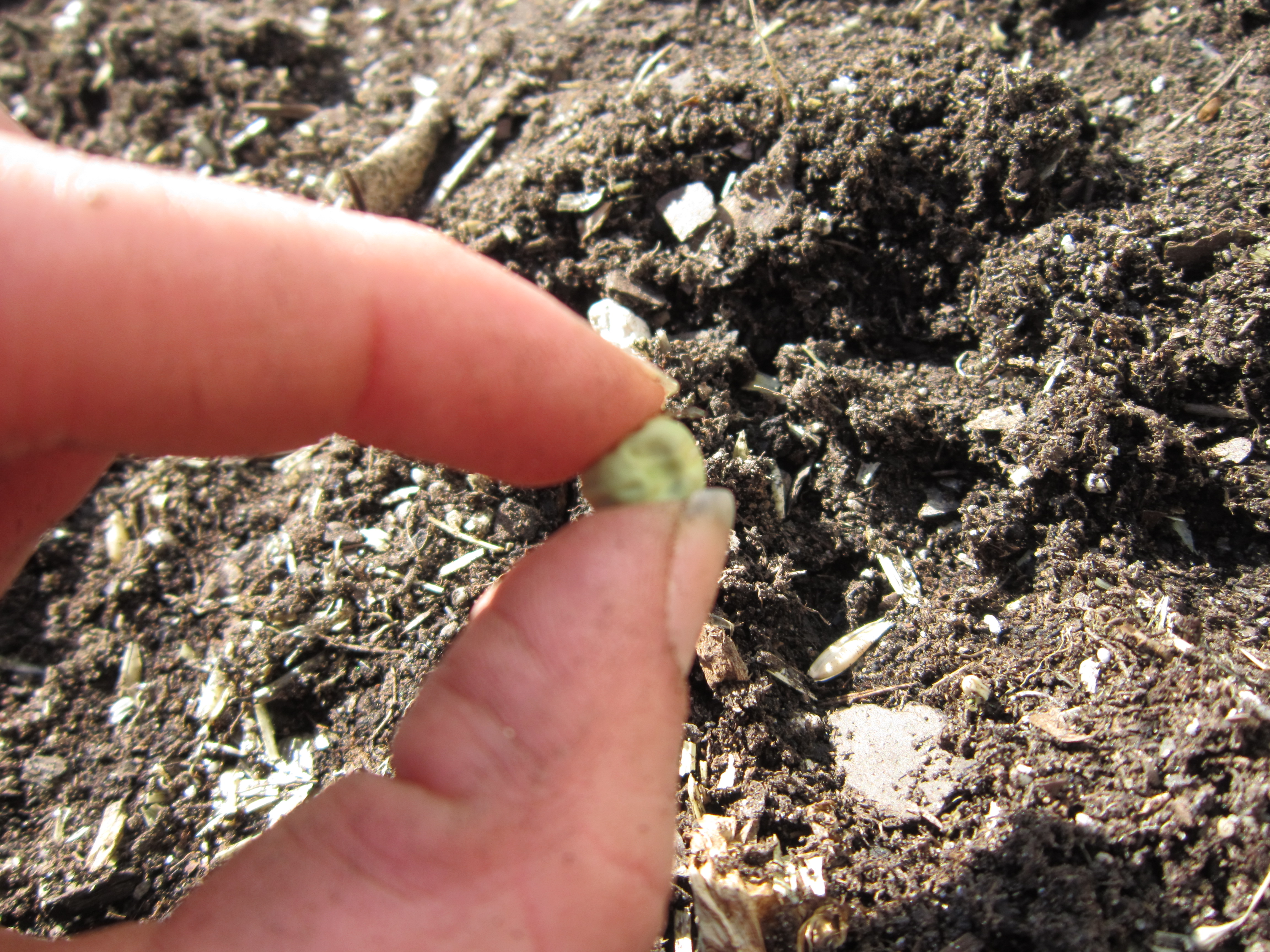
I planted about 10 today — 2″ deep and I’m experimenting with them in a circle rather than a row to see if I can trellis them better this way.  I will plant another batch in a week or two. Hopefully that will allow for a bit larger/longer of a harvest than last year.  Last year’s peas were yum-tastic, but they only lasted a couple of meals (and I’m referring to seed peas — the snap peas seem to be around a lot longer).

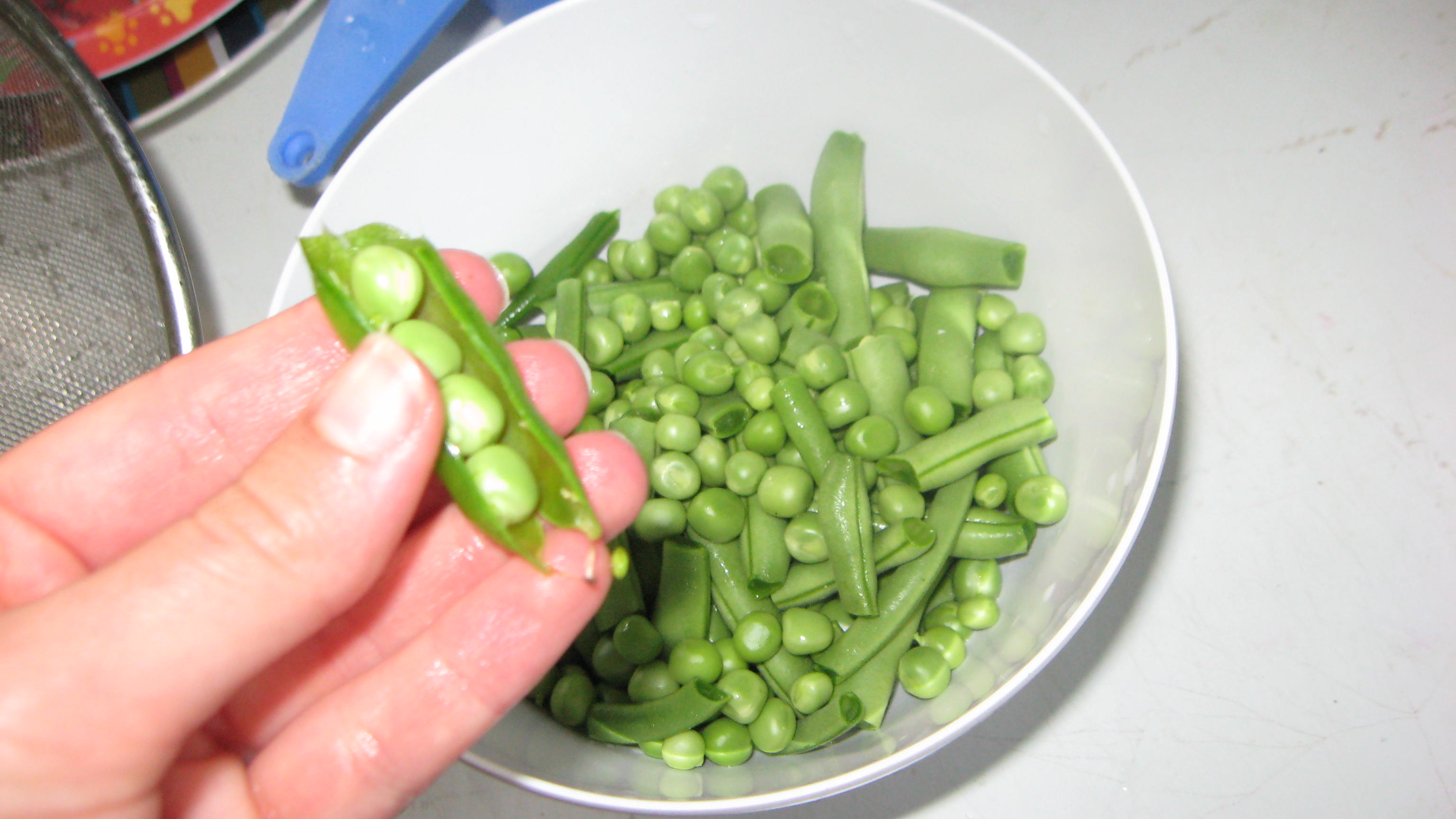
Last year’s peas. THEY ARE SO CUTE! (and some green beans..)

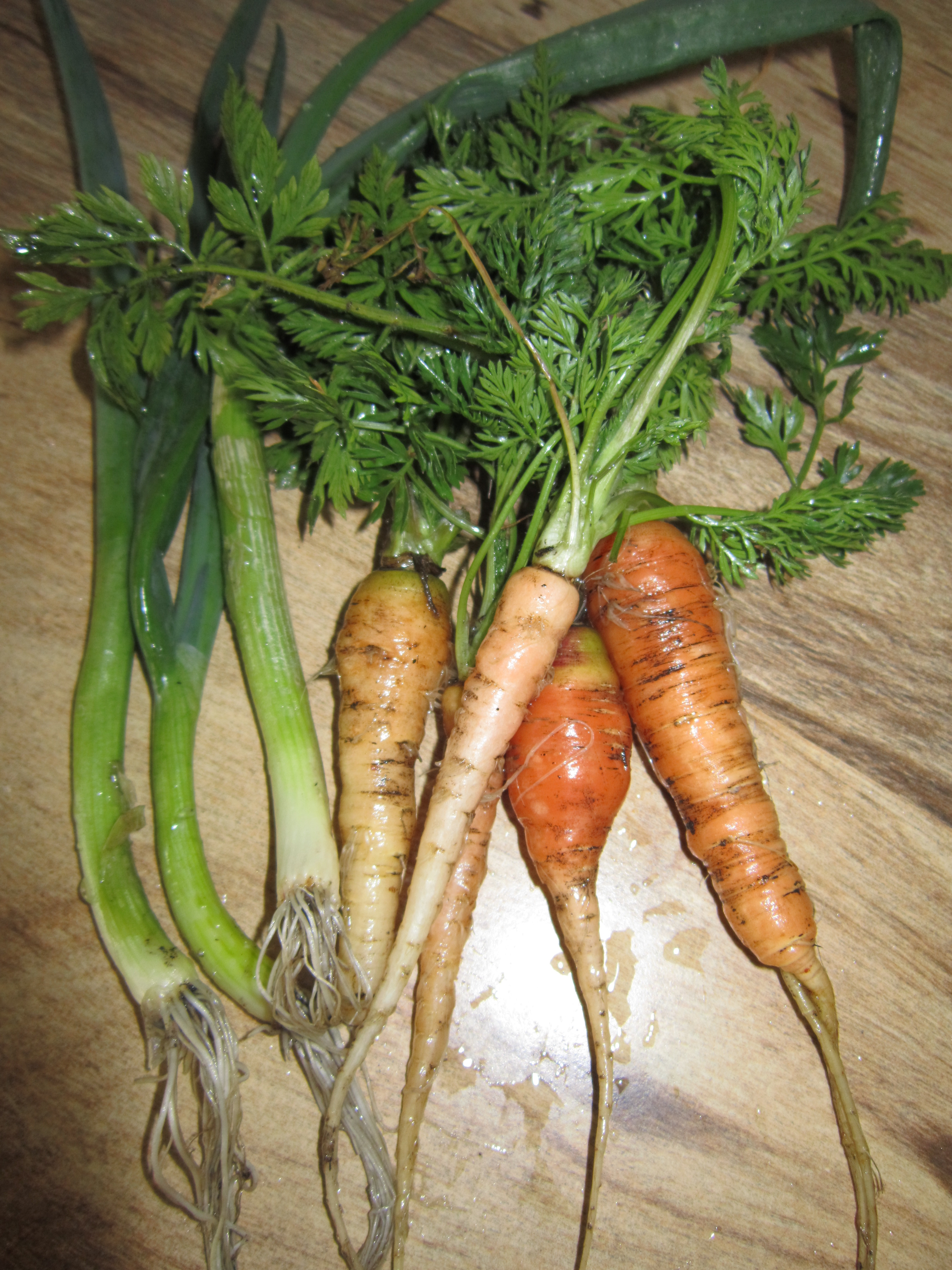
I also found some stragglers that survived the winter to harvest today. That’s fun!

Carrot and green onion winter survivors.

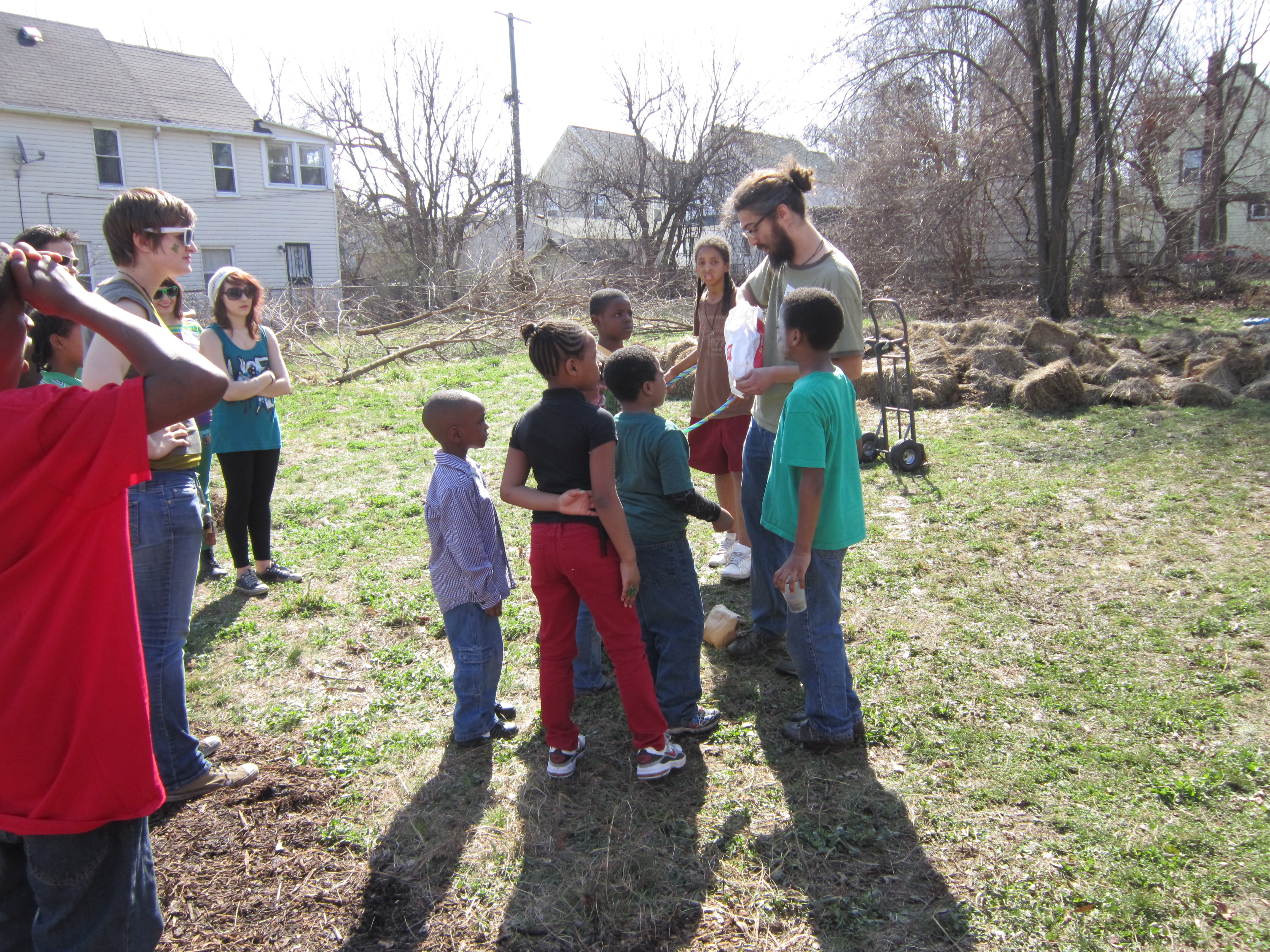
Earlier in the day, I went to a neighborhood on the East side to help expand City Rising Farm into a new vacant lot across the street from the garden that they’ve established previously.

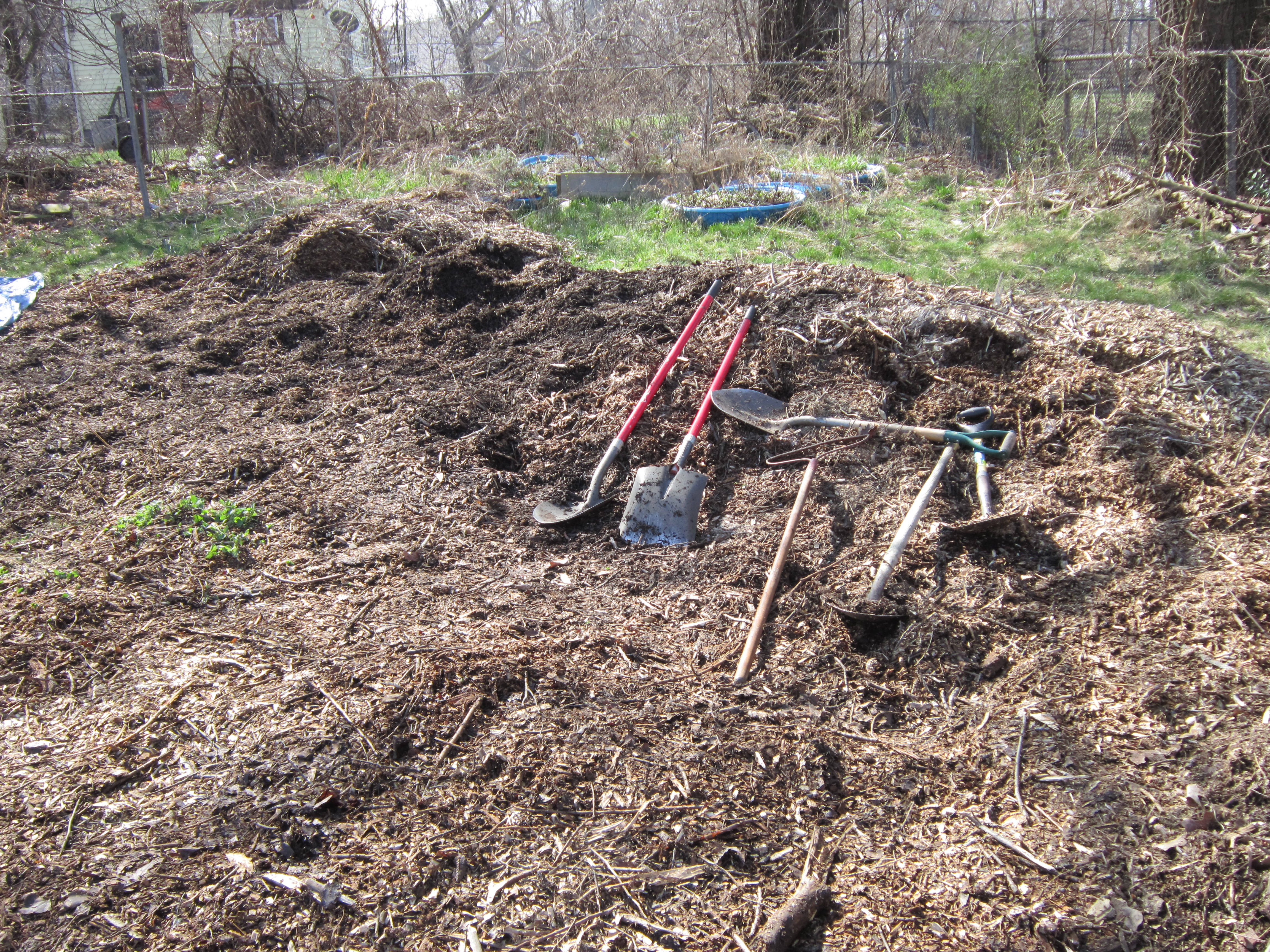
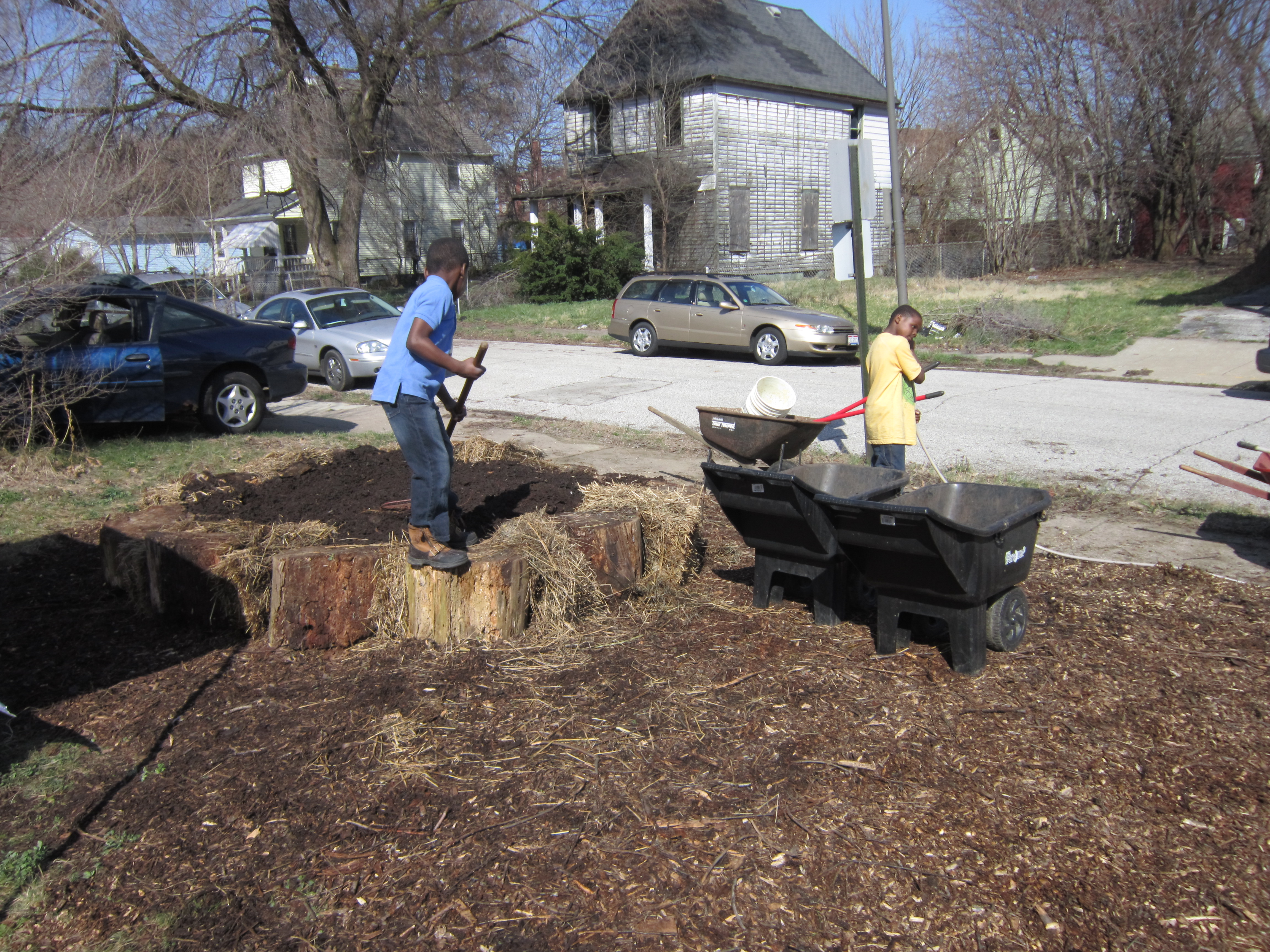
Mostly the day involved moving wood chips to the front of the lot to start sheet mulching. Many wheelbarrows and tarps full of woodchips were transported from the back of the lot to the front.

Depleted piles of wood chips

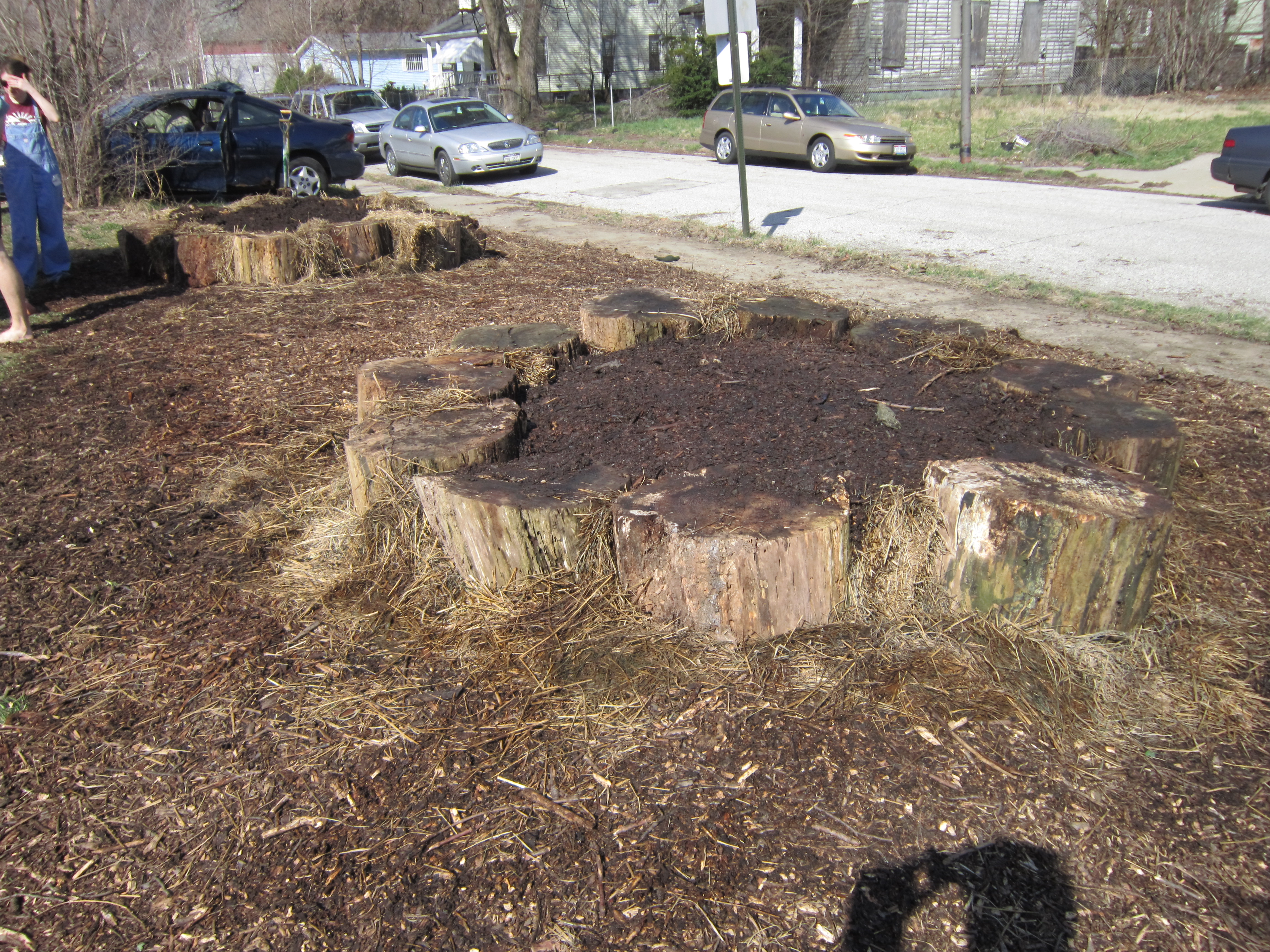
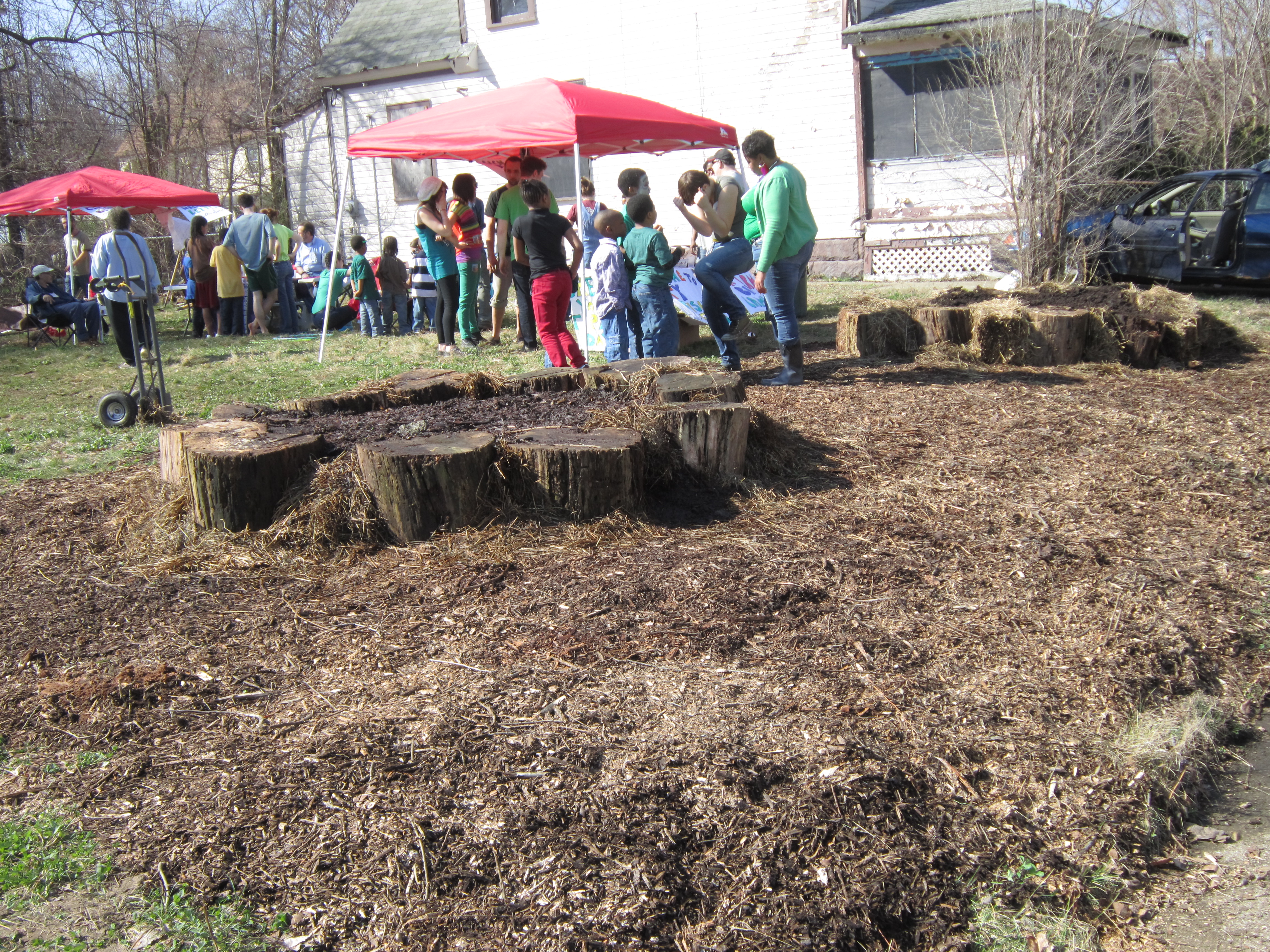
After getting a thick layer of woodchips down, two raised-beds were made from rings of old tree stumps.

Young urban farmers

Raised beds bordered with tree stumps

There was also a lesson on beneficial insects that can keep pests down — in this case, there were praying mantis eggs.

Praying mantis lesson

Overall, it was a really inspiring day — it’s great to see people of all ages working together on a project to improve a neighborhood and that will also bring fresh food into an area that wouldn’t necessarily have easy access to it.

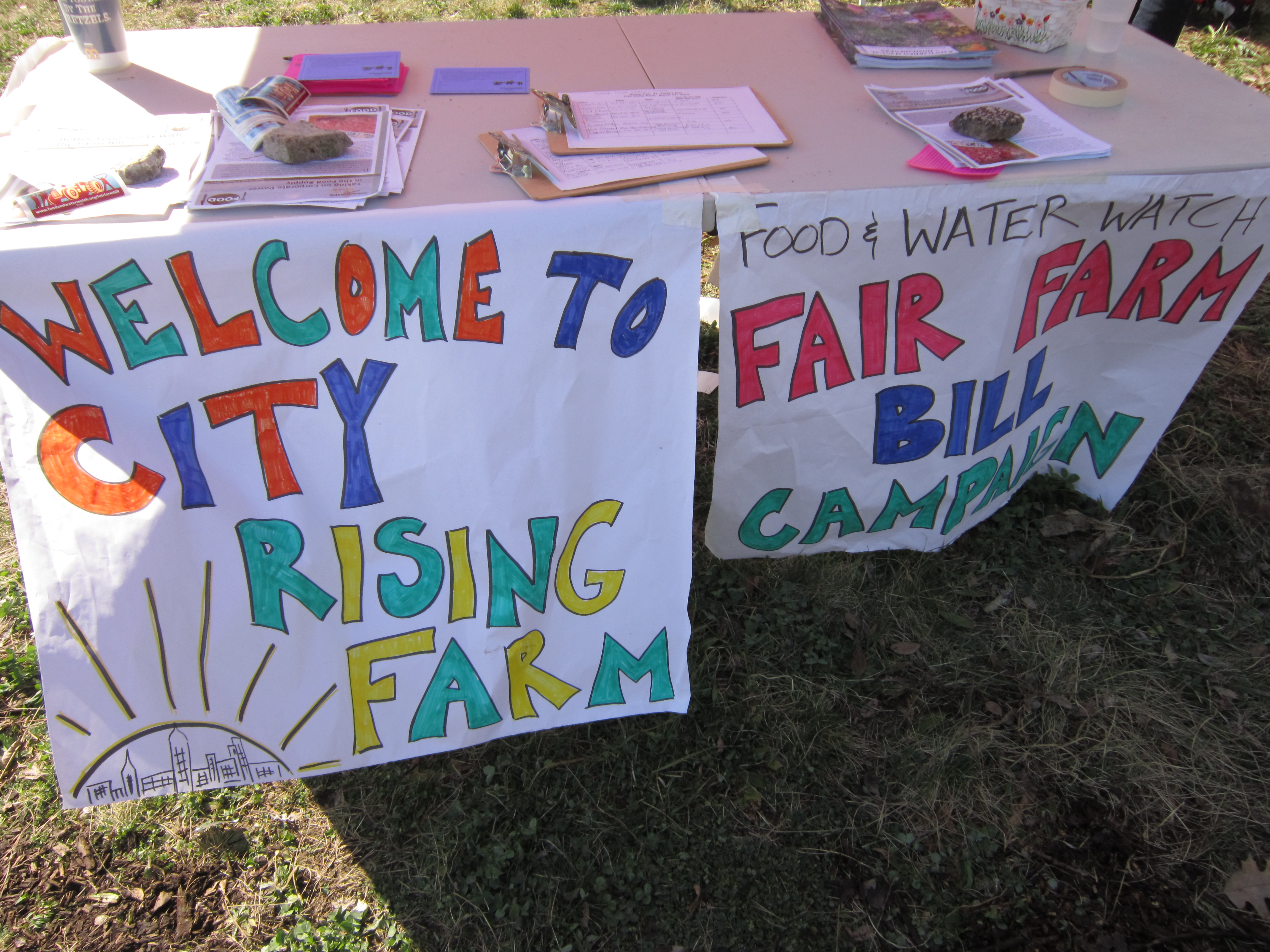
There was also a booth set up to write letters to Senator Brown to ensure that he continues his support for small farms on the 2012 Farm Bill.  We can’t let big agribusinesses control our food supply! It’s not sustainable for communities, the environment, or our health!  Take action at the Food and Water Watch website, and also, take action by supporting your local farmers. Find them near you!

Happy St. Patrick’s Day!