
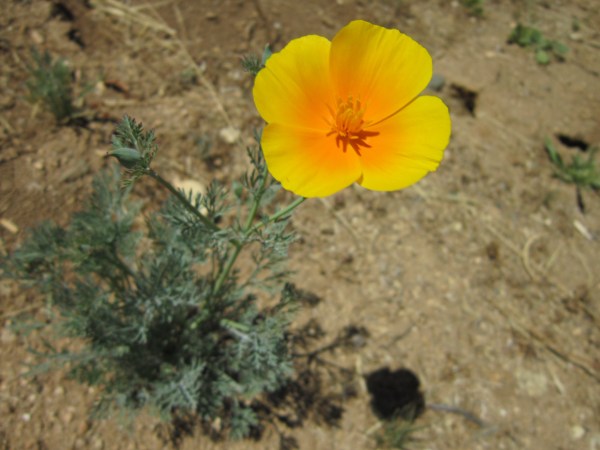
There’s been a delay in posting as I was enjoying myself in California last week. I have several posts envisioned, but for today, I will be simple and focus on some of the beautiful wild things I saw that I am not used to seeing in my native land.
There’s been a delay in posting as I was enjoying myself in California last week. I have several posts envisioned, but for today, I will be simple and focus on some of the beautiful wild things I saw that I am not used to seeing in my native land.

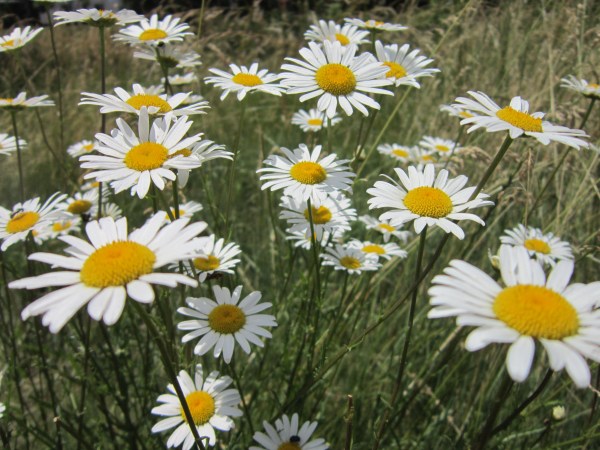
Welcome to the longest day of the year!
Everything is blooming, life abounds, green and sun rule the Earth (in the Northern hemisphere, anyway!). Do you feel it in your own life, too?

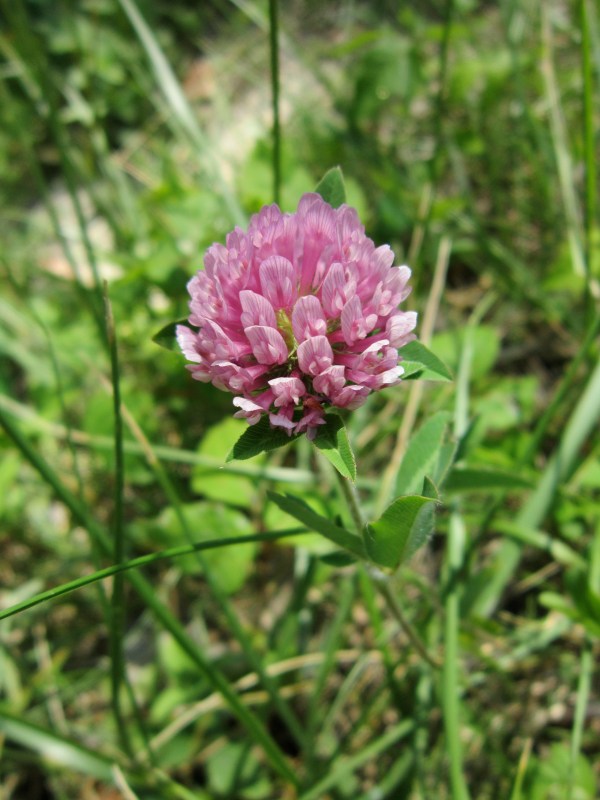
Ah, red clover. A versatile plant that helps with so many things — amusing young children in an attempt to find 4 leaves; food for grazing animals; medicine; and fixing nitrogen into the soil, to name a few.

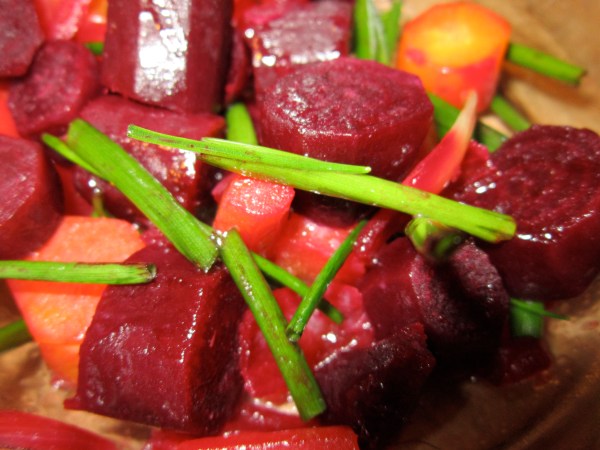
It might just be my increasing appreciation for beets, but I was talking out loud (to myself) and making grumblings of gustatory appreciation while eating this very simple meal.

It took me a month of working with my sourdough starter, but it finally resulted in a delicious loaf. It still needs work, but I think it was a darn good first try.
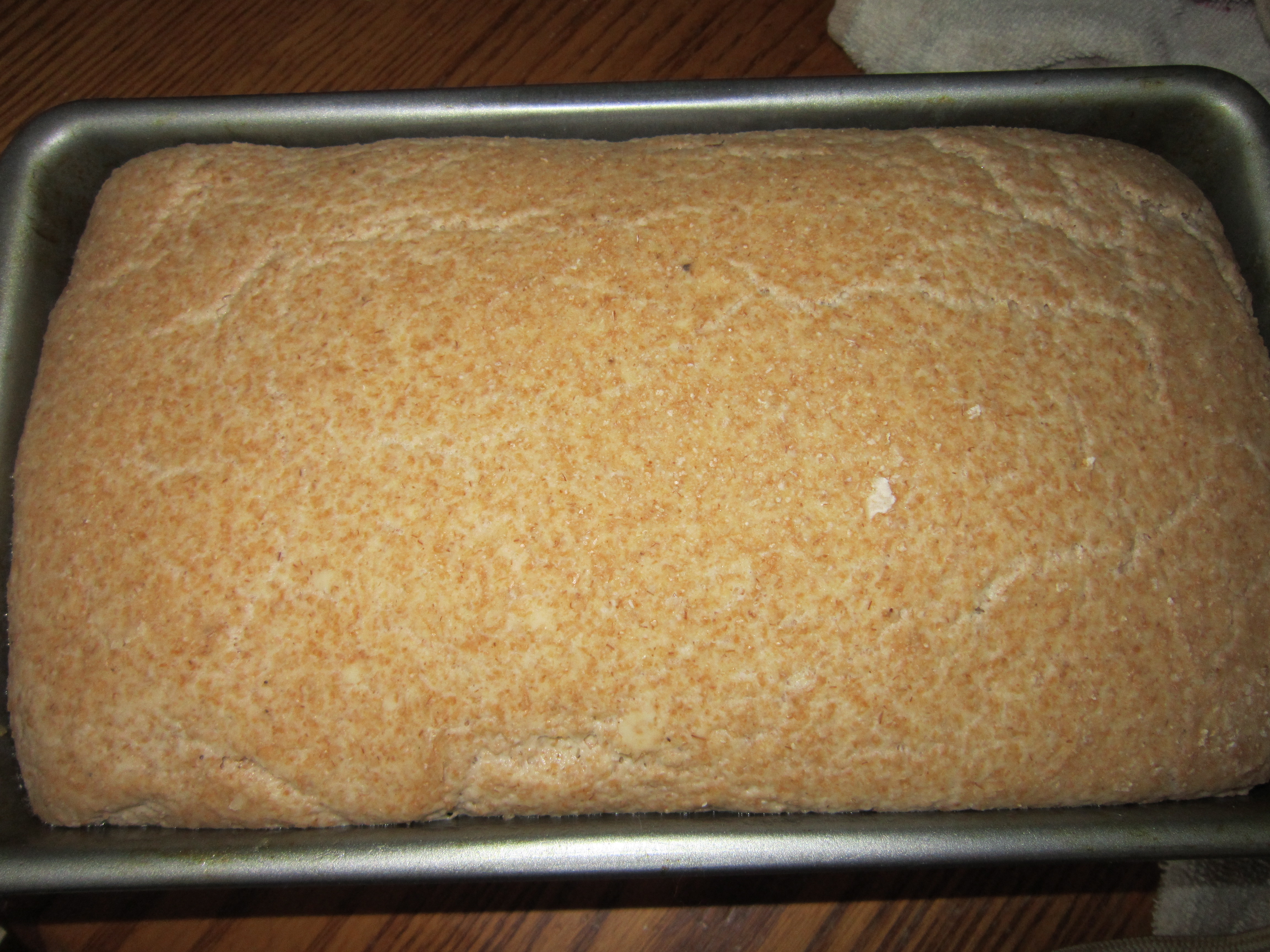
Fresh sourdough bread!

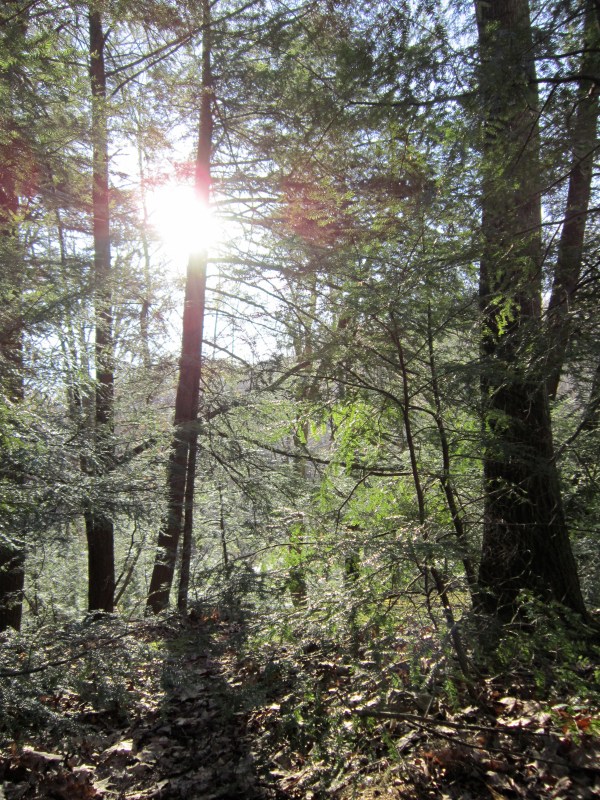
Earth,
I’m not sure when and where my love affair with you began, but your winds wrapped around me tightly and I was taken forever, always called to feel my body on your mosses and keep alert to your messages.
At this time in your history, as I walk amongst people that no longer hear your voice, feel your spirit, and understand you as a mother, I am filled with sorrow. Earth, I try to live as an example, but I feel I am failing. People are much more interested in glowing screens than flowing streams, and in making money than making life.
My heart aches and my head drops as I see people disrespect you by throwing plastic into your veins, to choke and kill your lifelines and your creatures; as people continually rip off your skin in misguided attempts to feed our species and create our shelters. Every day, I see people carelessly walk upon your body. They ignore your beauty and bounty.
I have come up with countless reasons to argue for you. I’ve tried to explain h ow protecting you will make us healthier and happier; why it will save us money; how it is essential to our well being and our future. But mostly, I just wish they could see you the way that I do. They would never need another reason to step more lightly upon you for they would see something so inexplicably divine that they would drop to their knees. They would realize that everything we do to the Earth we are doing to ourselves.
Earth, we are killing you and so we are killing ourselves. However, you will find a way to regenerate and go on. I’m not so sure about my kind. We’re a grain of rice in the oceans of your time, and we’ve forgotten how to live with you. Help us to learn before it is too late.
Love,
Me

It had been brewing for some time. It would bubble up and haunt me, but I would talk it away – “you’re just asking for too much” I would tell myself.
“You just need to find more balance”, I would rationalize.
And yet there came a time when looking at my dissertation proposal thinking, “This is not what I want,” could not be ignored any longer. (I may have been a lump sobbing on the ground.)
The process of following one’s dreams, intuitions, and inner guidance, however, is not as easy as we would like. It requires facing fears that we have long ignored, taking risks we have felt too scared to take, and learning more about ourselves than we ever have before.
Is it even worth it?
YES.
As I write this now, I feel confident in my decision and so much more excited about my life, my place in the world, and delving into my true passions.
Was it easy to get here?
No.
First, the Fears
They’re those dehabilitating, gut wrenching, sleepless-night causing, distracting thoughts that surface all too easily and frequently when we are faced with a huge decision that marks the difference between following our dreams and continuing with the life-sucking business as usual.
Some common ones that surfaced for me were:
Then, the Risks
Despite all of the fears, something deep inside kept nagging me that I was on the wrong path, that I would get stuck in a life that wasn’t what I desired, and that I would remain dissatisfied. In the face of overwhelming fear, I decided to take some risks and trust that:
 what sustainability really means (and that I couldn’t reach my ideal for a sustainable life working in a zoo), allowed me to practice and further develop my critical thinking and writing skills, and left me with a lot of fun memories and experiences that many people will never have. And I still got a Master’s degree in Biology out of it.
 And Then You Realize How Much You’ve Learned
Through all of the sleeplessness, the false alarm emergency room visits for heart attacks (this was a hard decision!), the tears, the fears, the worries, and then the risks, I have learned a lot. Not only about myself, my strength, and my capacities, but also about the life I want to create and how to do it.
Facing such a major decision made me want more than just intuition-based feelings that I was making the right decisions, so I also came up with long lists of real-world reasons that my decision would make the best sense for my desire to live a more healthy, sustainable, and freedom-based life. They fed right into and supported my intuitions in ways that provided me with strength to do the right thing.
I could make another bullet-point list of things that I’ve learned, but that’s what this blog is about, so look around and stay tuned for more insights!
What about You?
Are you a risk taker and dream maker? Are you living your authentic life?
Sadly, I don’t think many of us are. But you can! It might take some hard work, inner searching, determination, and de-conditioning from cultural expectations, but it’s worth it.
I believe the world would be a much more inviting, exciting, likable place if we were all following our passions and dreams rather than living in a belief system based on fear and what-ifs.
So name your fears. Acknowledge how scary and terrifying they are, and then defy them!
___________________________________
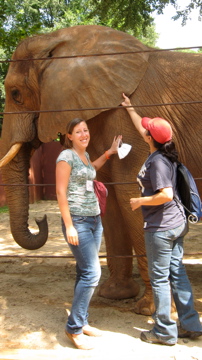
P.S. Although I enjoyed the elephant encounter shown above, I would prefer that we not keep elephants in zoos.


What did the land you live on look like before humans arrived? Was it forest? Prairie? Desert? Wetland?
How did the Native people treat that land? And then what happened when the new culture arrived? Did it become a monoculture farm? A suburb? A place to extract a natural resource?
Is there any way that humans are ‘supposed’ to live on the land?
I reflected on this question as I participated in a native prairie planting over the weekend.

Native prairie-to-be
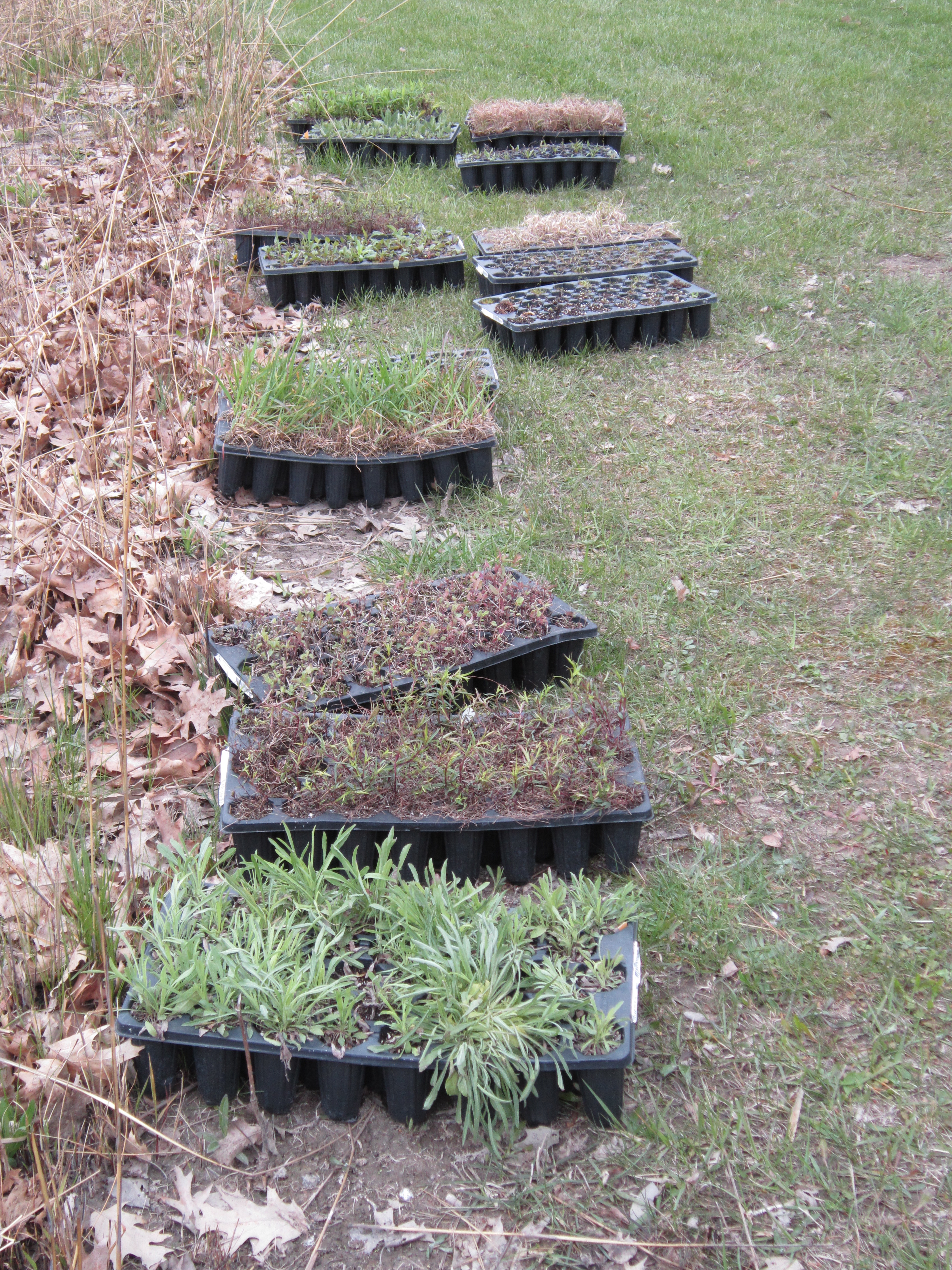
Native prairie plants
My partner and I focused on flats of two species in particular — the New England Aster

Baby New England Aster
and Narrowleaf Mountain Mint.
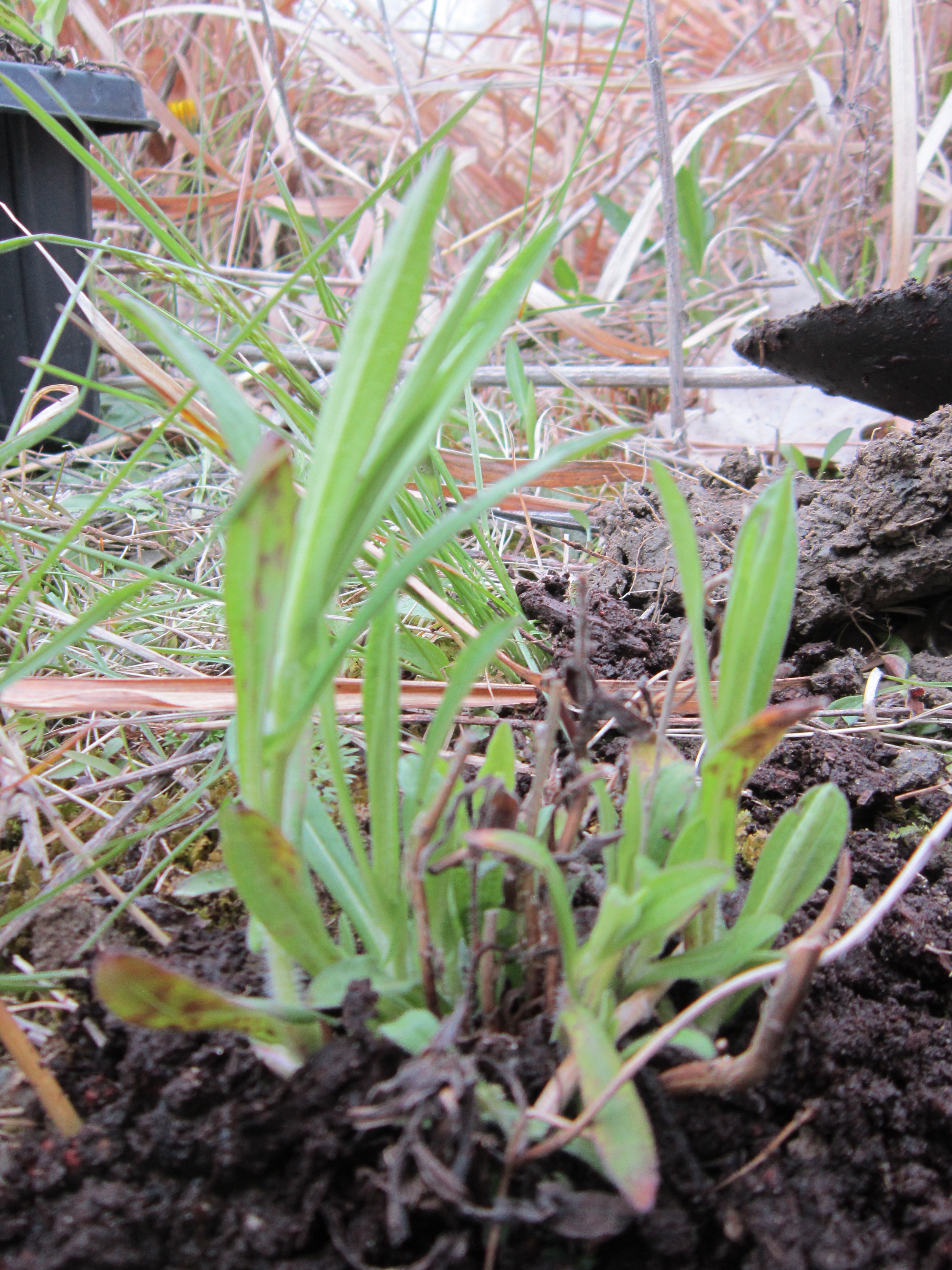
Baby Narrowleaf Mountain Mint
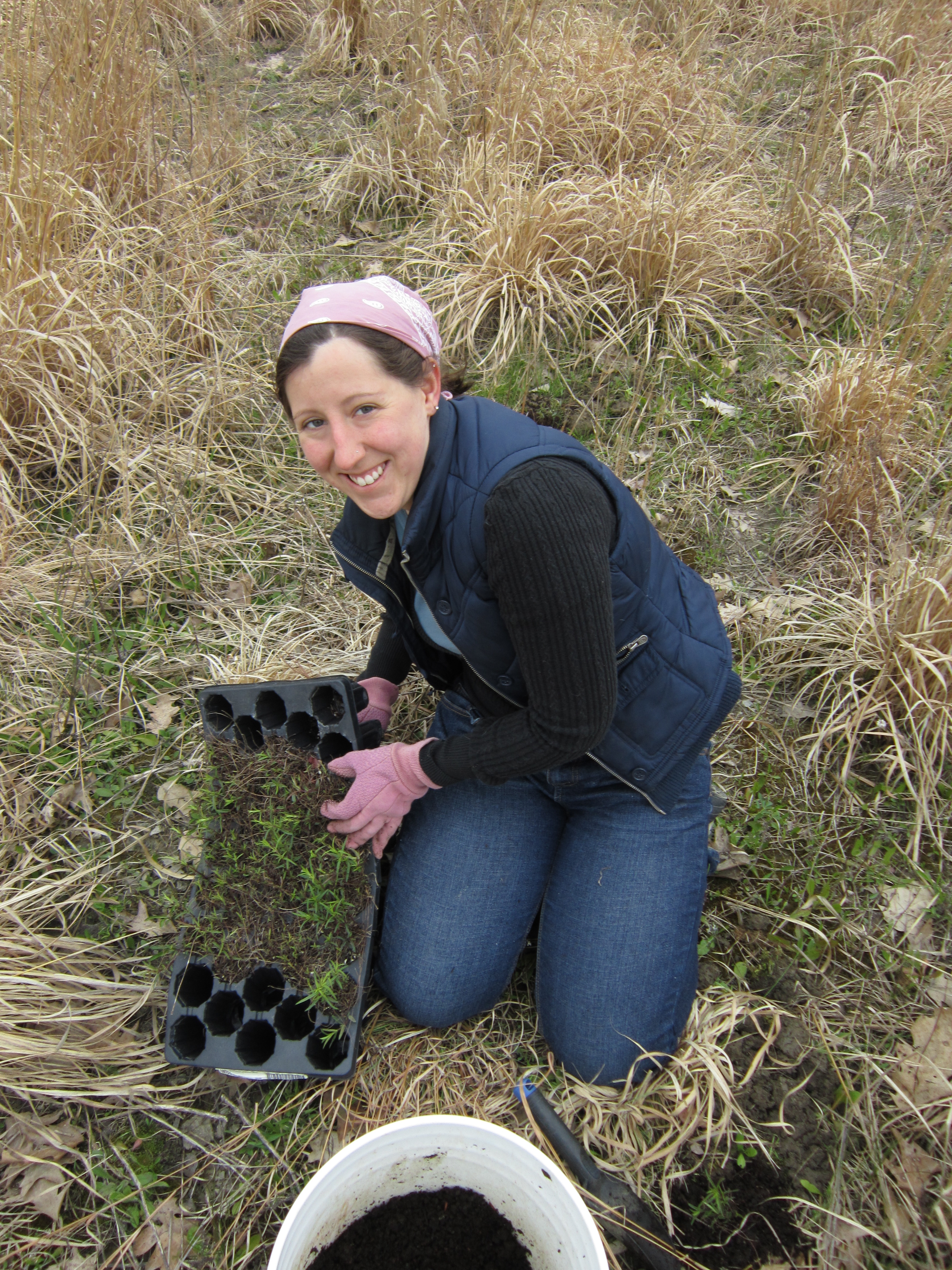
The experience got me thinking about the fact that all animals have roles to play in keeping their environments balanced, thriving, and diverse. For example, birds help to move seeds around, insects assist with pollination, and predators keep populations of small mammals in check. When one species overexploits its environment, there are consequences, often with a die-off of part of the population until balance is achieved once again.
Recently, humans have taken a very exploitative approach to our environment and our population numbers are booming. This continued growth and the fact that so many of us can lead such extravagant lifestyles has been made possible by the availability of cheap carbon resources (oil, coal, natural gas) that allow for massive food production and a complex medical system that is able to keep so many people alive.
There are some problems with this, however. The resources that made this growth possible are nonrenewable (and we may have passed the peak of production), and we know that this approach to maintaining human livelihood is leading to the pollution of our air, water, and land, the destruction of natural environments, and countless species extinctions. We also know that previous cultures that did not respect the limits of their natural resources are no longer in existence.
Is there a different way to approach our relationship to the Earth?
If all animals have roles in keeping nature balanced, it may help to reflect on potential ways that humans have evolved as part of ecosystems.
Perhaps instead of being dominators of natural cycles, we are intended to work with nature to create more healthy and vibrant ecosystems for ourselves and other organisms. These big, long-term planning brains must be good for something beyond our own survival, and I don’t think it’s necessarily the ability to analyze stock market trends. Perhaps the human role in the ecosystem is to function as a sort of ecosystem engineer that could bring greater diversity and balance to areas in which we live.
After all, we can foresee long-term trends and we understand complex cause-and-effect relationships. As far as I can tell, we are the only species that seems to know that if we take a seed, plant it and add water, that it will grow. We can use these planning abilities to take care of the planet in a much better way than we have recently. We should also get better at using this ability to understand the dire consequences of continuing on with our current behavior, and to learn from the mistakes of cultures in the past.
I believe it is possible for humans to live as constructive co-creators with nature.
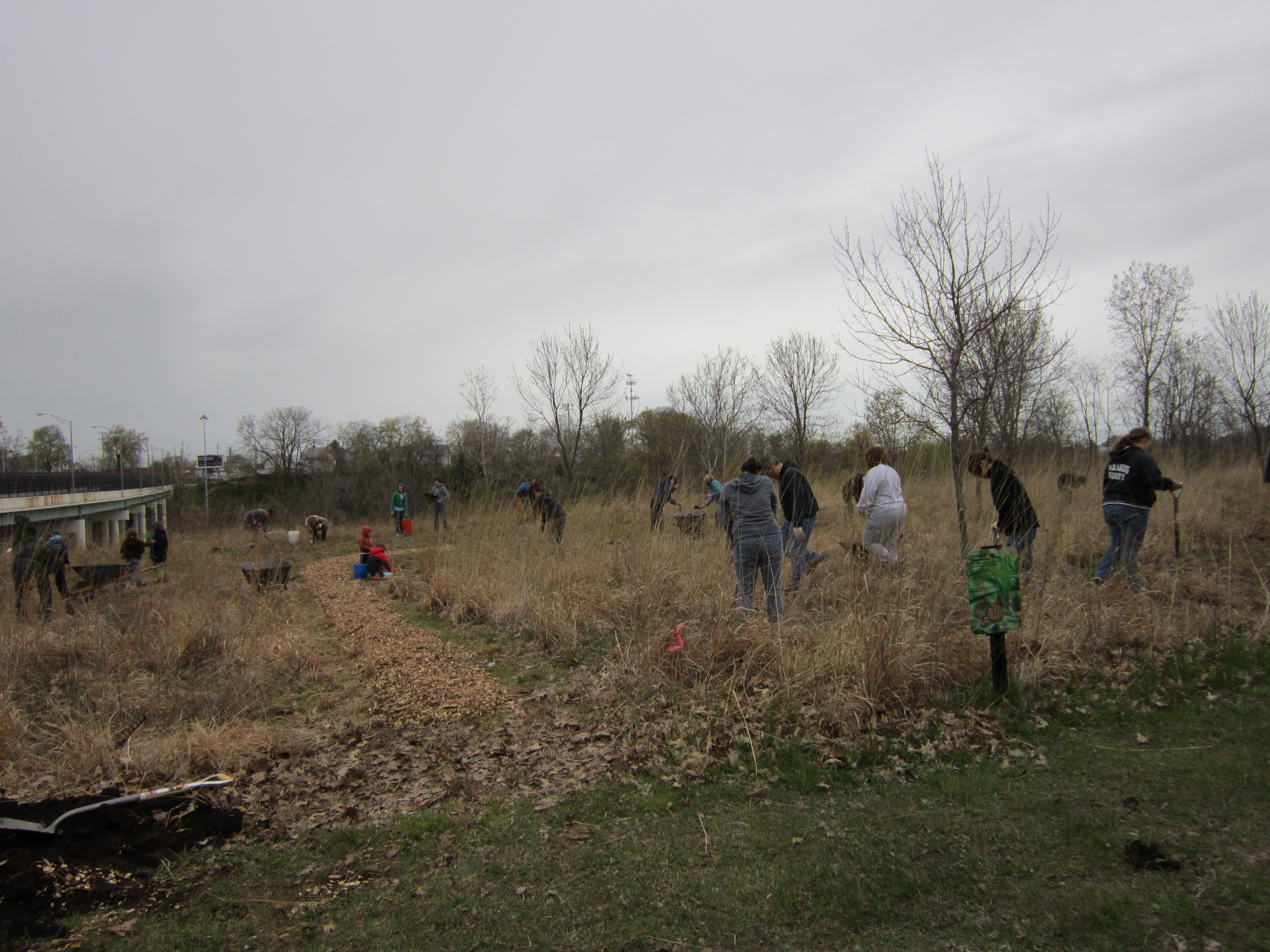
Prairie planting
We can take a field of grass, envision a thriving habitat, and find ways to create it.
Go and be restorative!


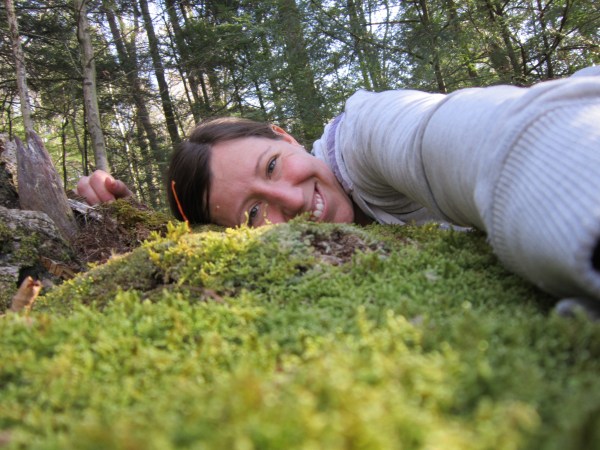
Outside of this strange world that we call the internet, I don’t know many people who would say that an ideal day is one spent in the woods learning about wild edible foods. But for me, a day spent meandering through the woods is in itself the indication of a day well spent, and to combine that with learning about and connecting with plants comes close to absolute perfection. Maybe other people just haven’t yet tried…
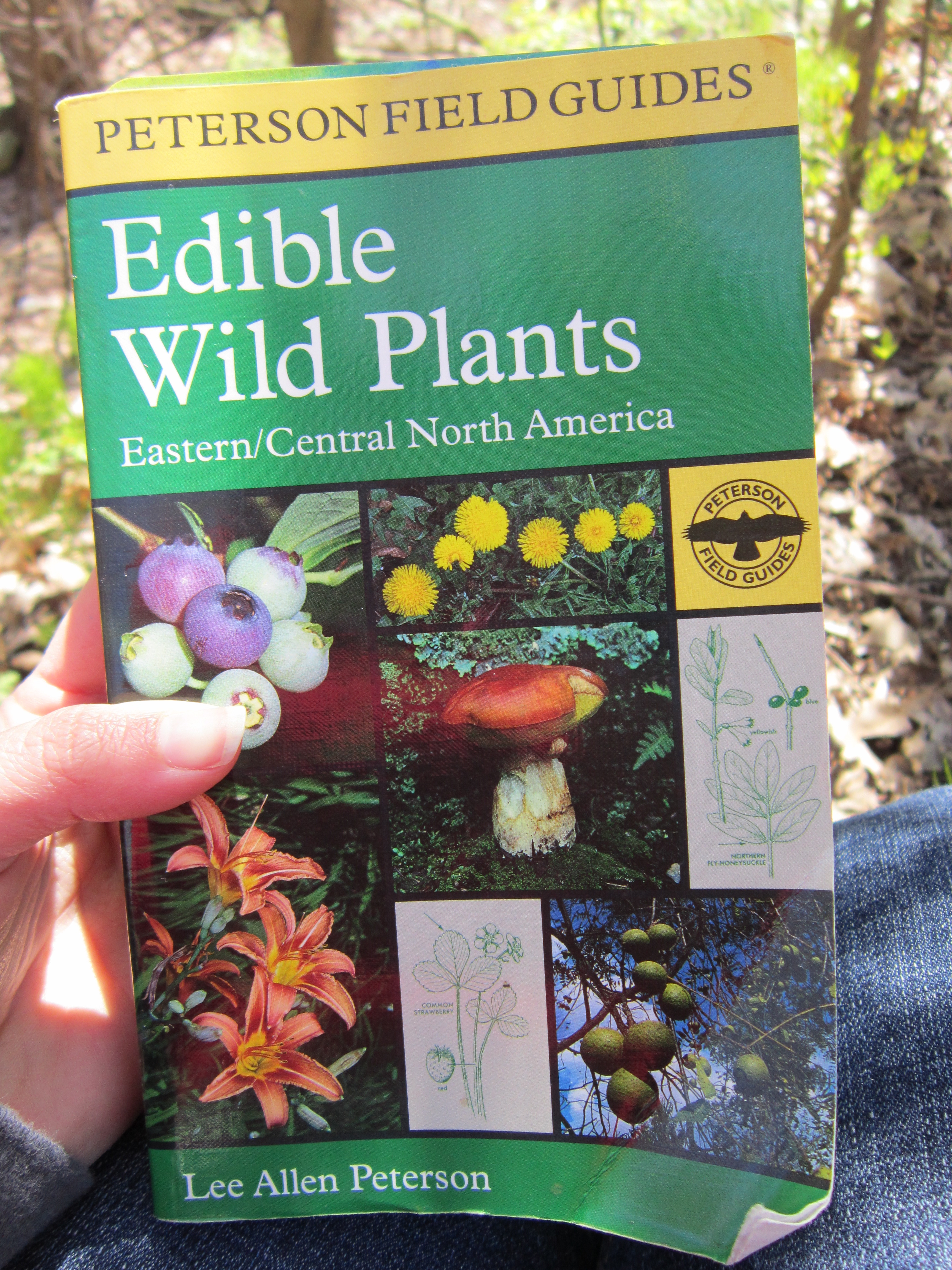
Behold the knowledge
Disclaimer: I have not tried eating all of the plants shown below and I am not suggesting that you do so without adequate preparation! My method generally goes something like this:
1) Find a plant and ID it in my field guide or learn about a plant and aim to find it and identify it.
2) Identify it on at least a few other ocassions.
3) Read about the plant and possible dangerous look-alikes.
4) Try a small amount to make sure it agrees with my body.
5) Eat more.
Let’s begin…
The dried corms (Wikipedia: a short, vertical, swollen underground plant stem that serves as a storage organ) of jack-in-the pulpits can be sliced and eaten like potato chips!
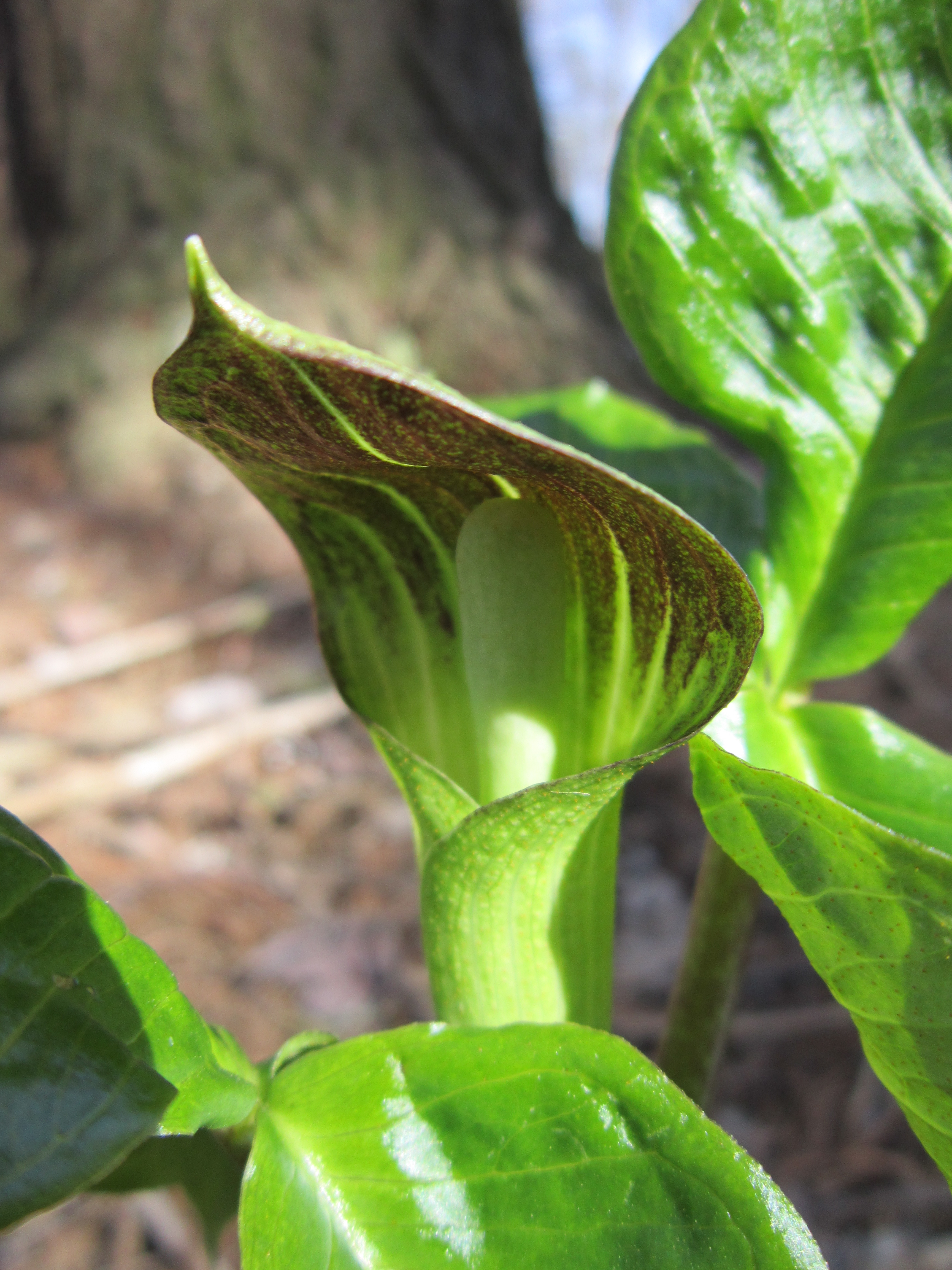
Jack in the pulpit
Japanese knotwood can be eaten like asparagus…and I encourage this one due to its invasive nature!
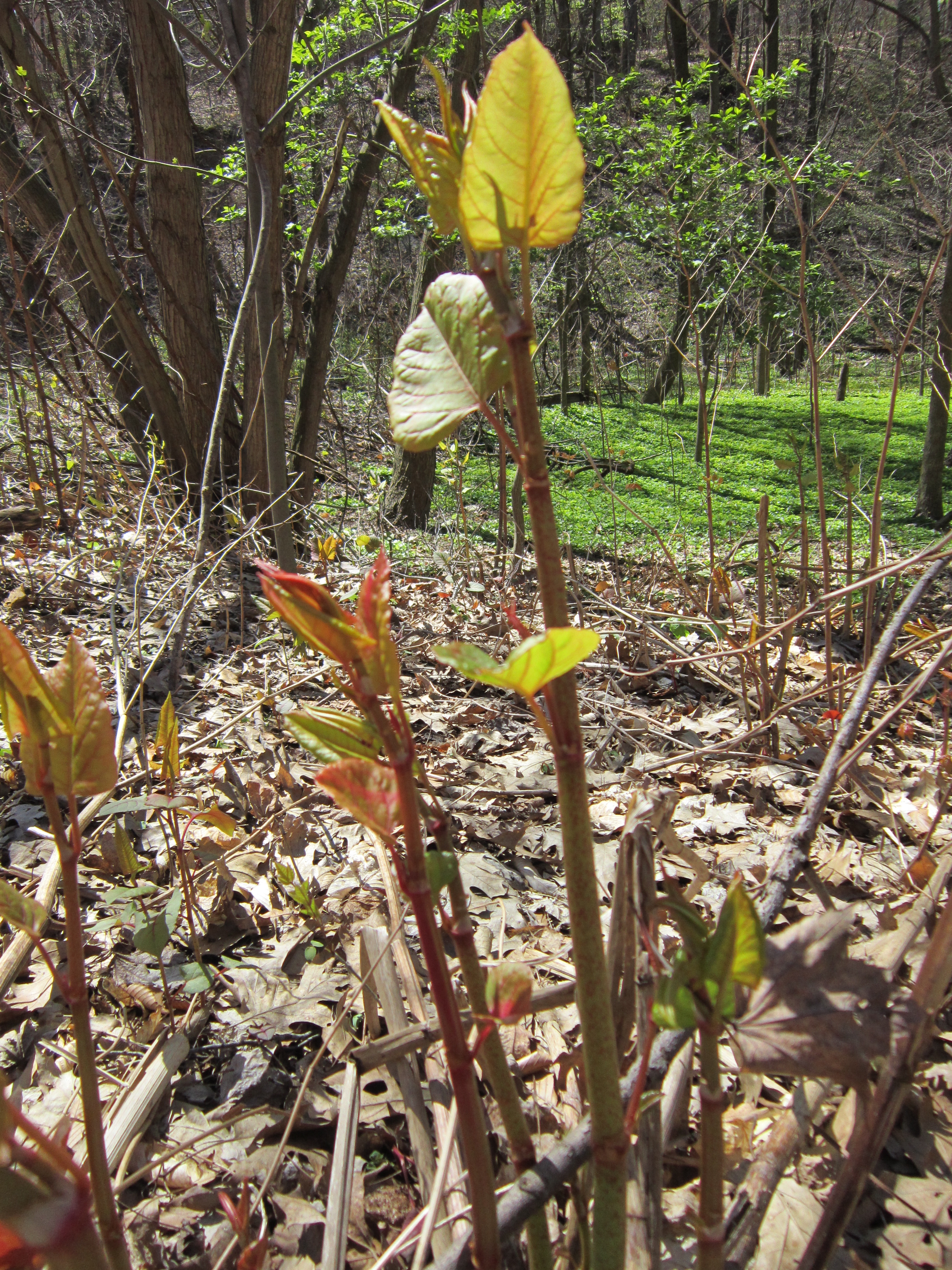
Japanese knotwood
Coltsfoot can be candied and I’m still looking to find a patch big enough so that I can infuse the flowers into honey as a cough remedy!
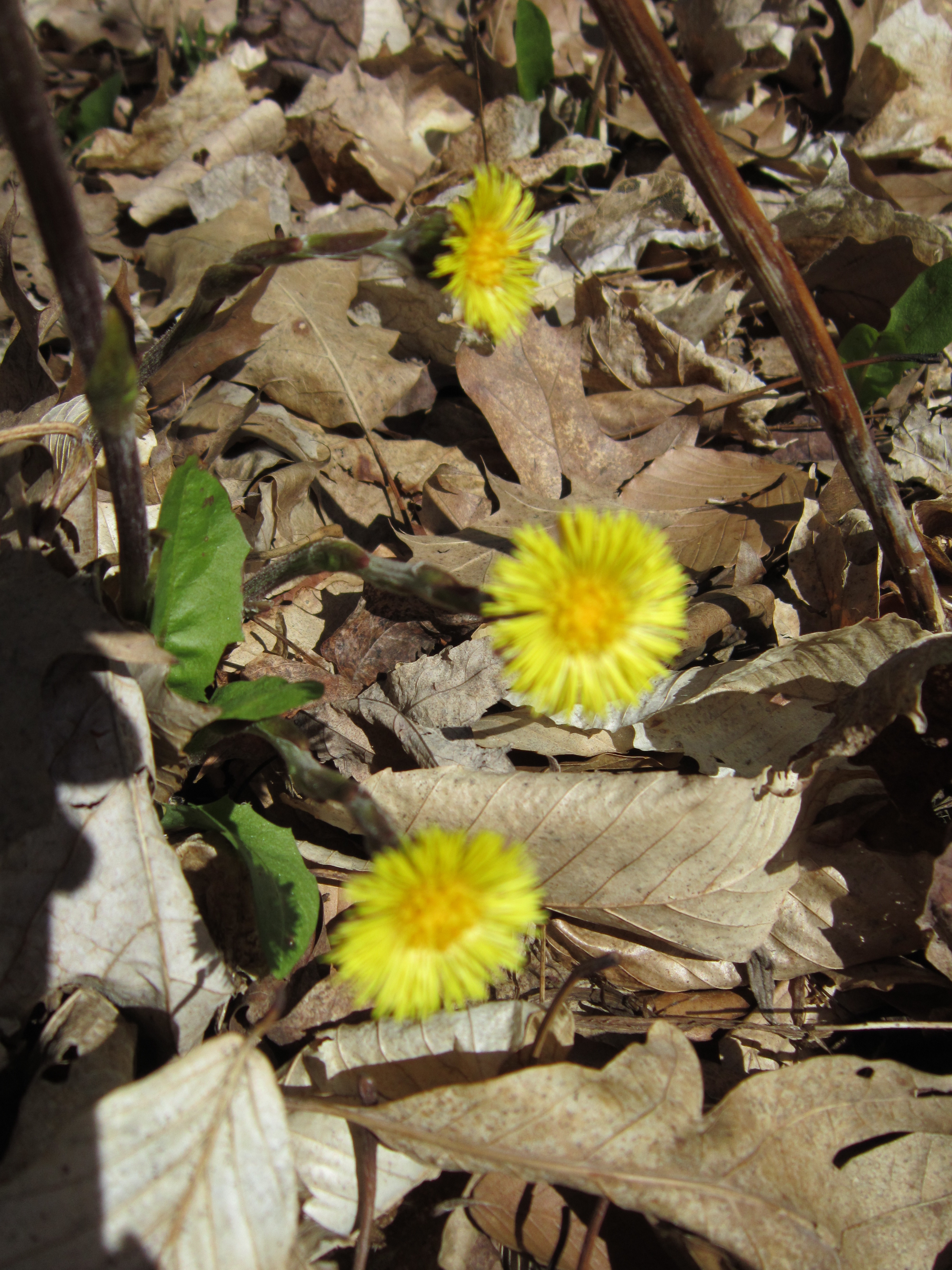
Coltsfoot
Chopped toothwort root can be substituted for horseradish.
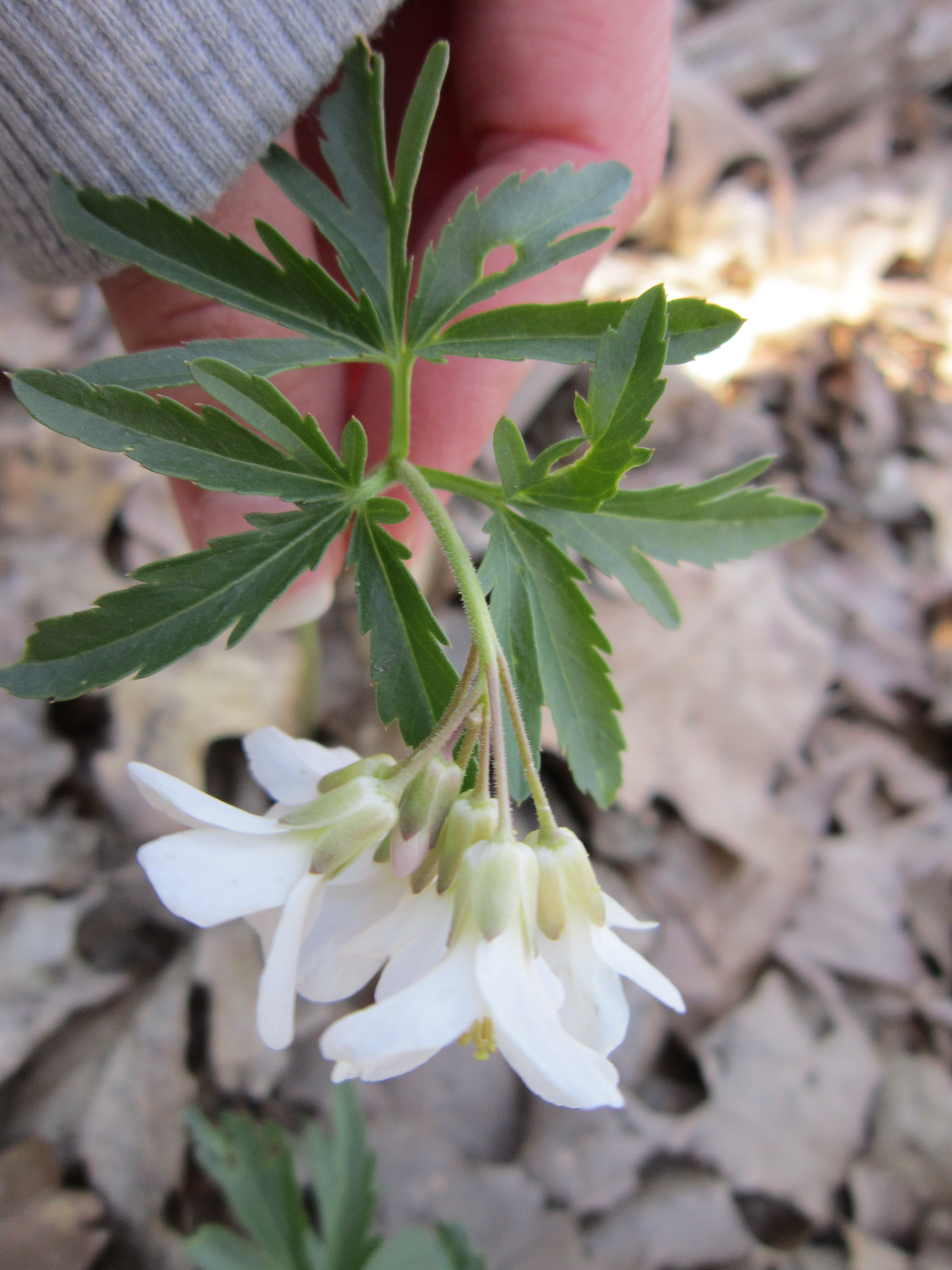
Toothwort
I also hit a ramp jackpot! They were everywhere!
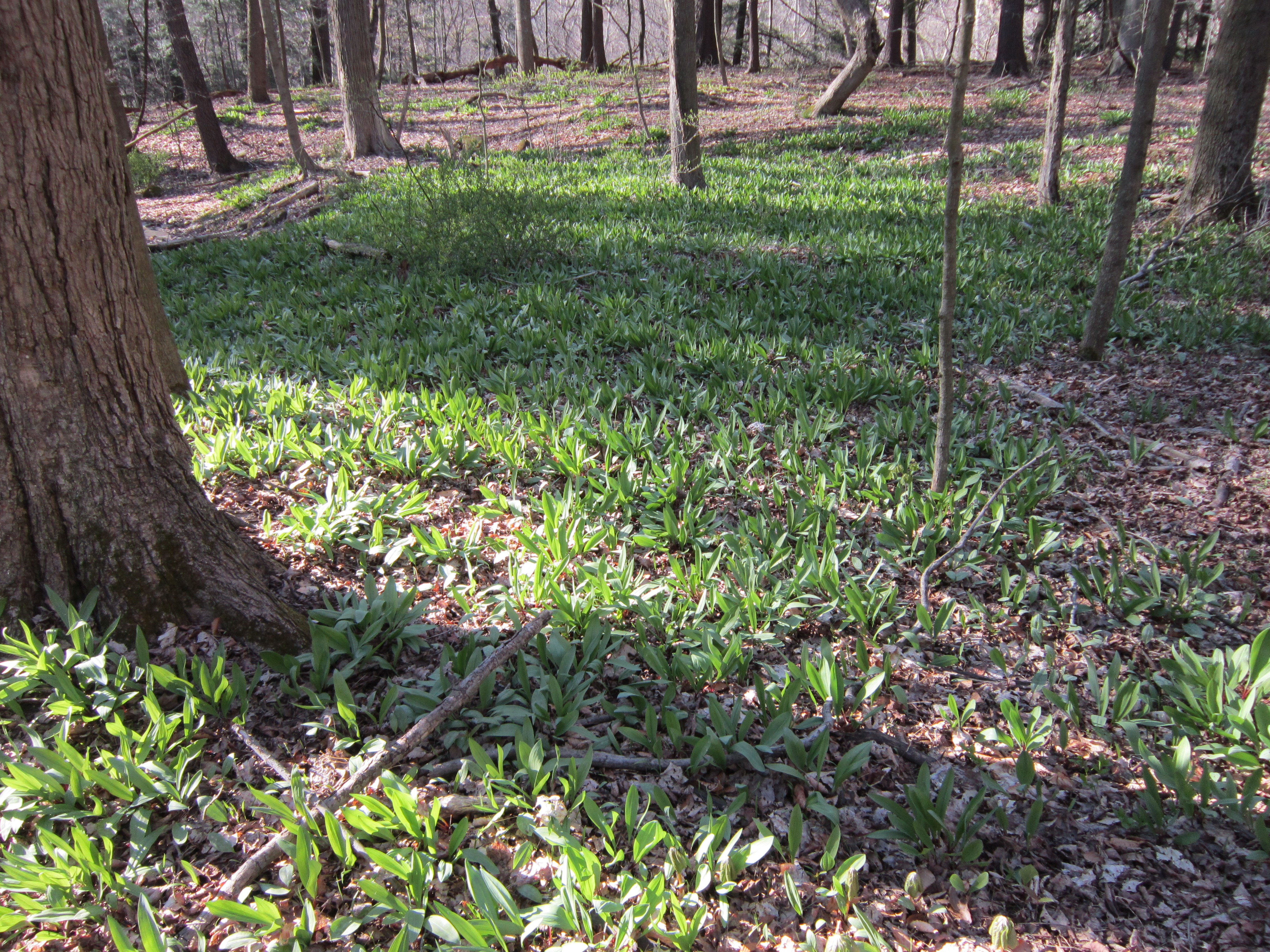
Ramp overload!
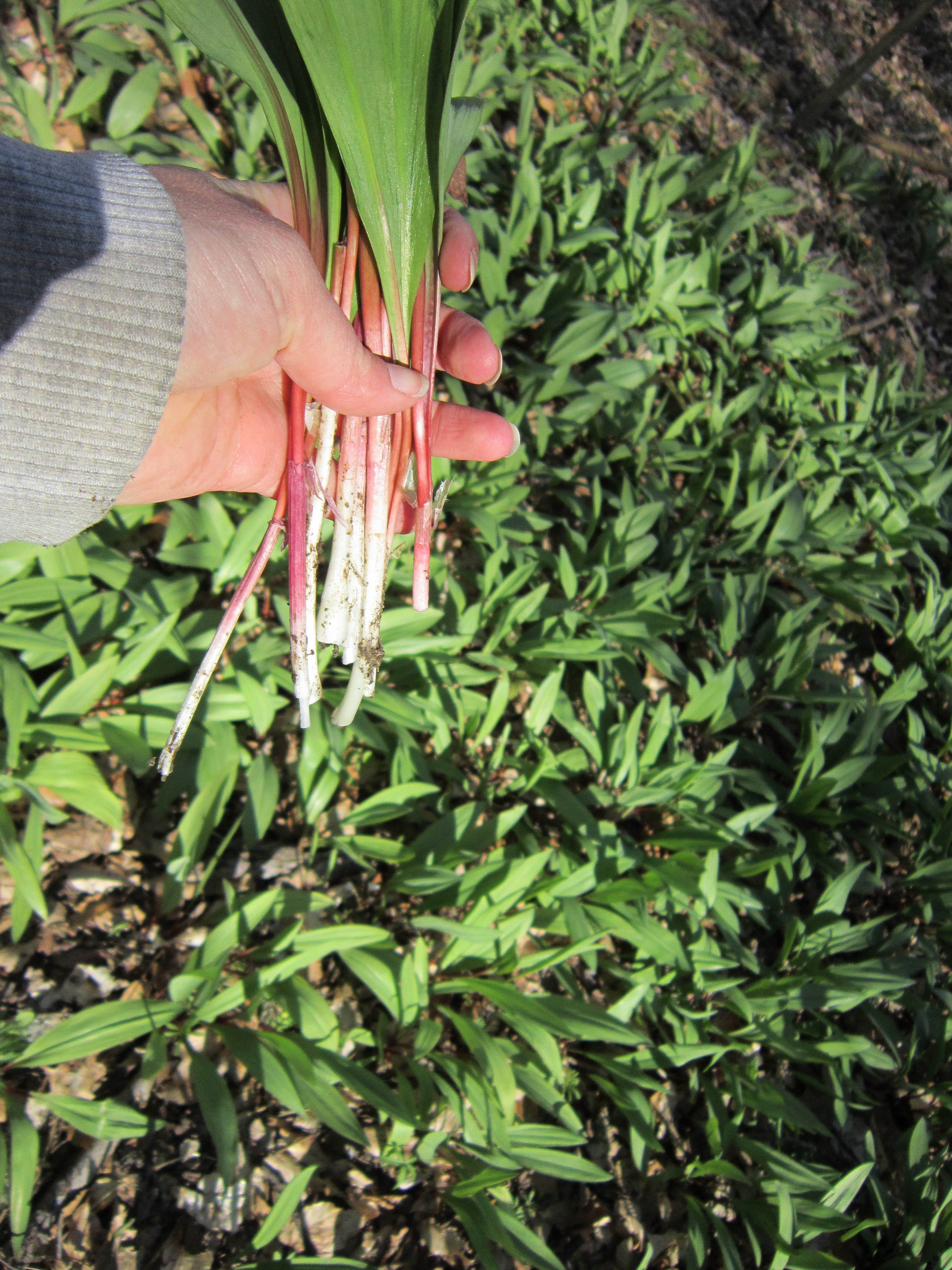
Dinner!
Wandering around this way also leads to other beautiful finds like Squirrel corn (I don’t have any idea about its edibility, don’t try!)…
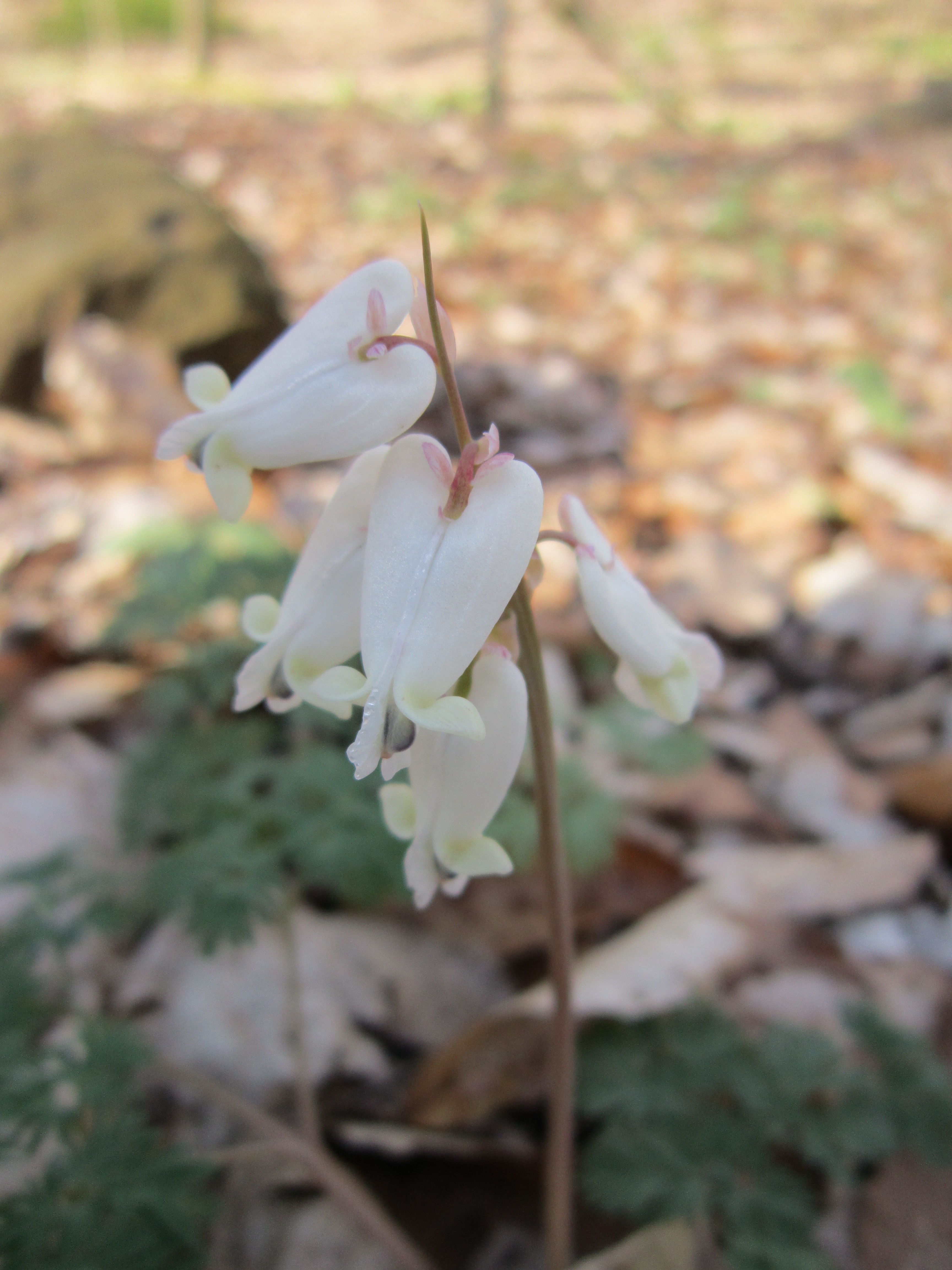
Squirrel corn. Hehe - such a funny name.
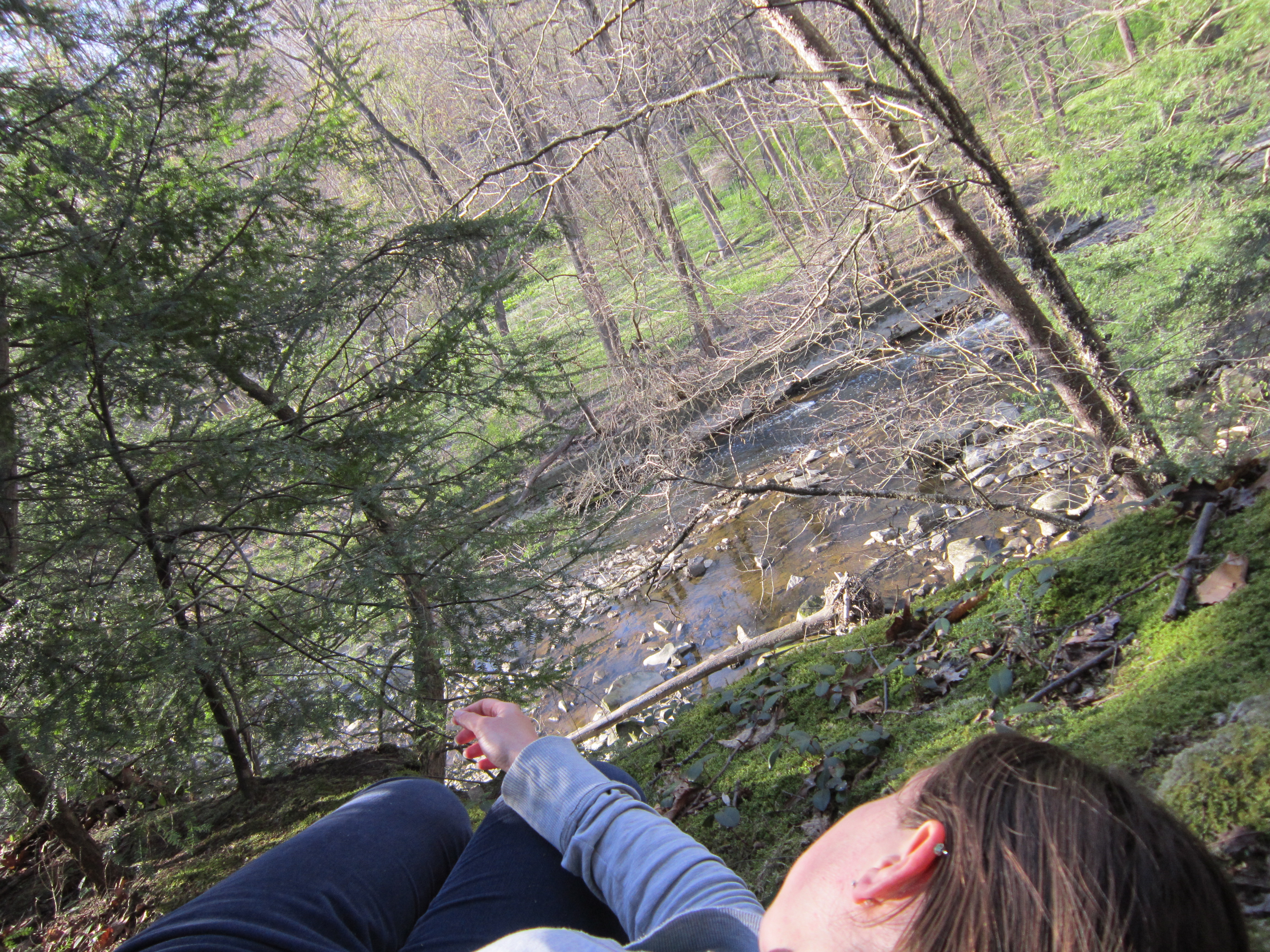
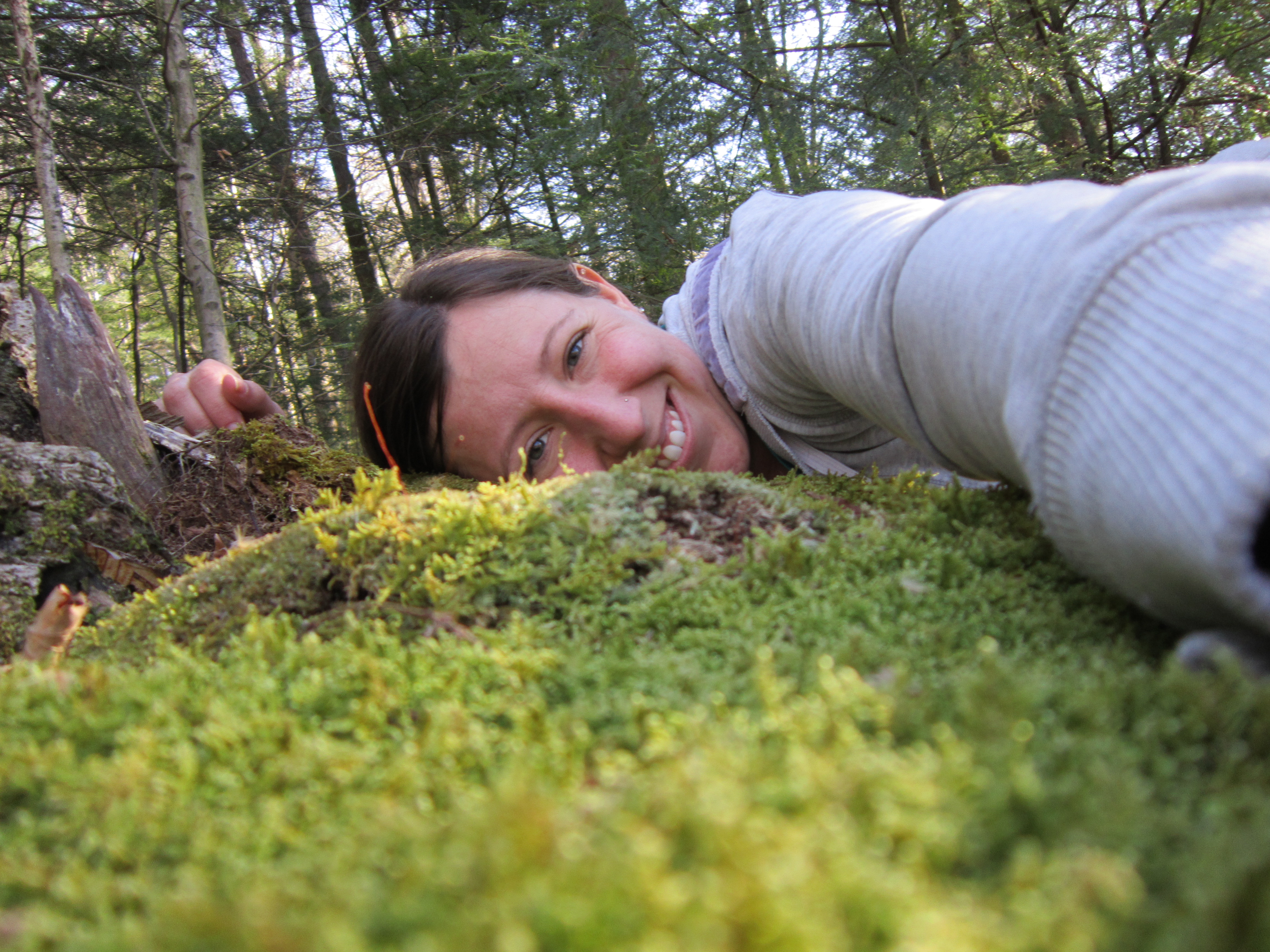
And you also might come across extremely cozy patches of moss at the edge of a ravine. This is my version of ultimate renewal and peace. I once read that some Native Americans believe that excess energy accumulates in places like this (i.e., cliffs, edges). I think they are right – it feels so wonderful! Why don’t I do this every day?
I’m happy to provide more information to anyone who’s interested!
Go be in nature! Give in to your animal instincts and go foraging!

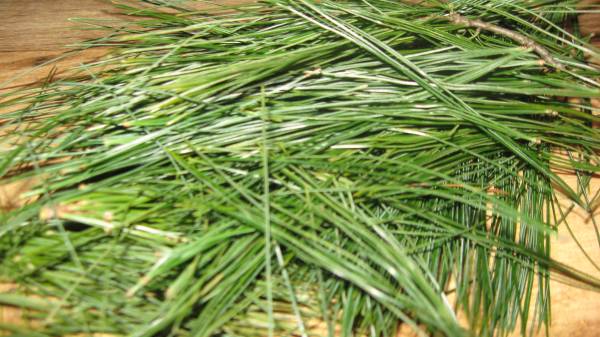
Did you know that pine needles can provide you with more vitamin C than orange juice? And that they can help to heal your body from respiratory ailments, colds, and the flu?
Some say that the Native Americans taught the early settlers about drinking pine needle tea to help prevent death from scurvy!
Pine needle tea is easy to make, but what are some other things that can be done with pine needles?
They can be infused into a variety of menstrums (liquids used to extract the nutritional or medicinal properties of plants) other than water. For example, tonight I got a nice dose of vitamin C by using vinegar infused with pine needles in my salad dressing. White pine needle vinegar (the type I made) tastes similar to balsamic vinegar.
First, you’ll need to gather some needles. I collected a bunch from a white pine.

White pine needles
Pick through them to ensure the best ones are being added to glass jars. I also tore these up as I was adding them.
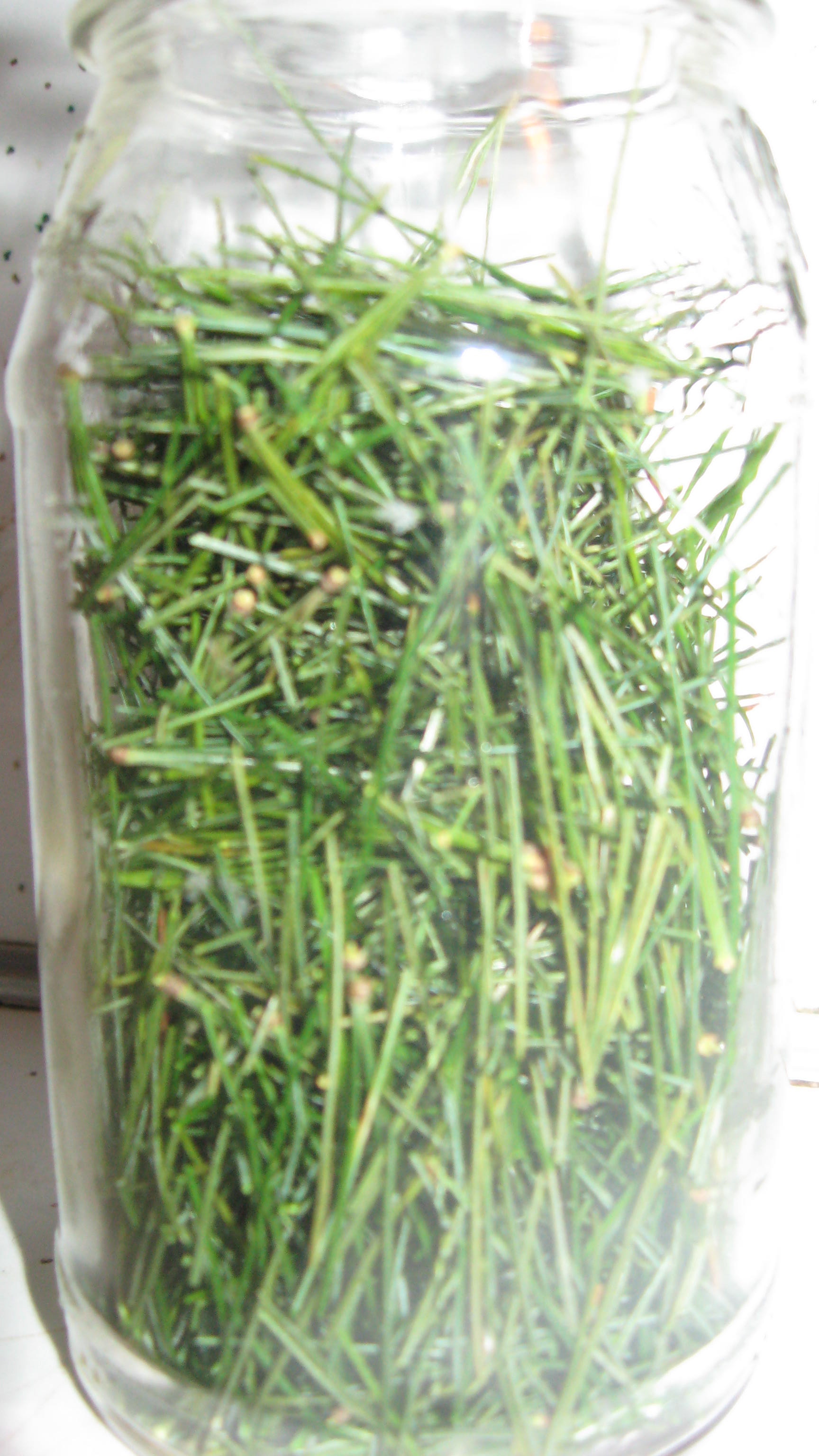
Fill the jar!
And then cover with the menstrum. In this case, it’s apple cider vinegar. I get large jugs of the raw kind so I boiled some first to ‘pasteurize’ it before making this vinegar (and I was able to boil enough extra for future use). Make sure to completely cover the needles — poke them down so that they’re an inch below the liquid line.
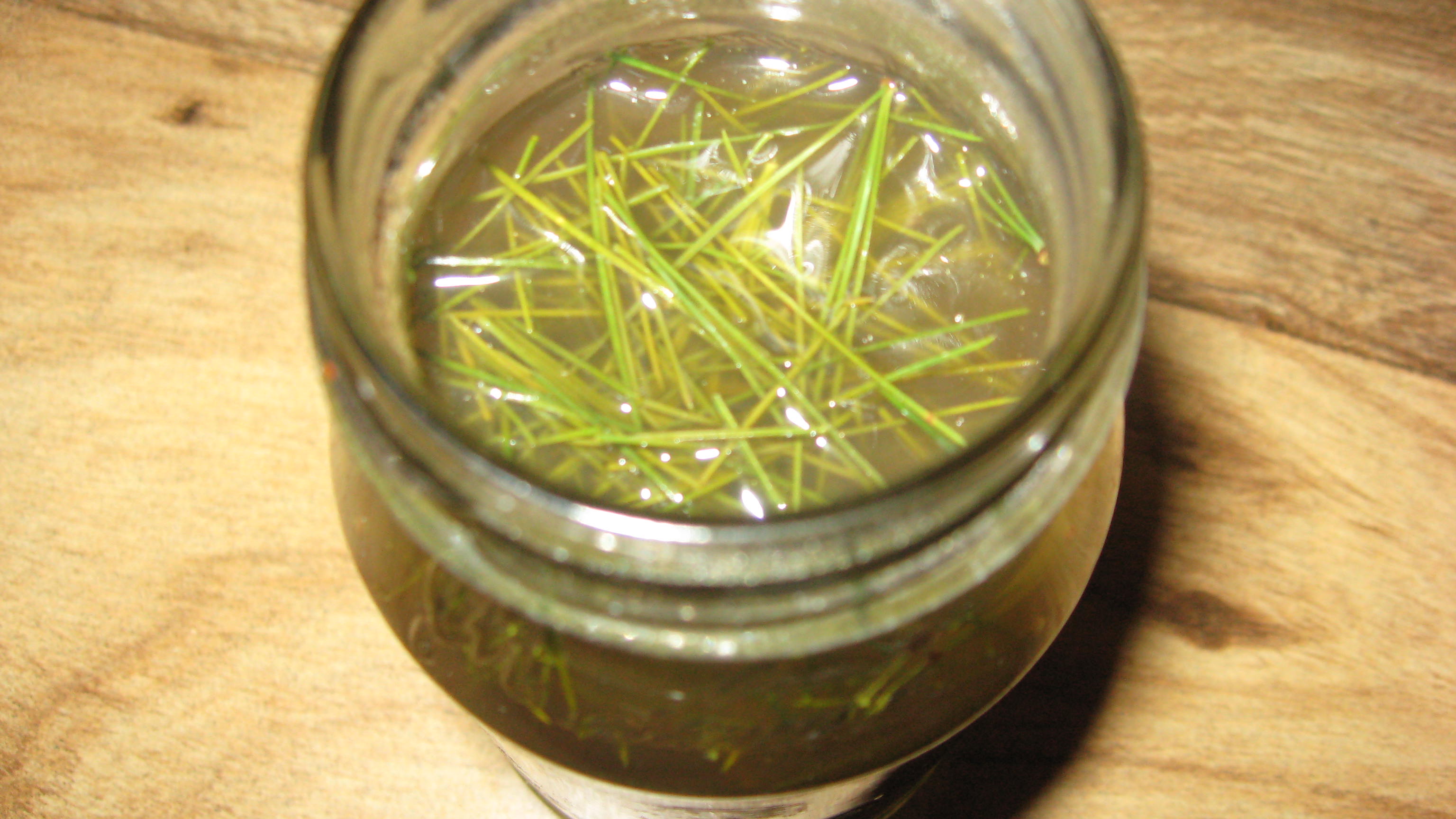
Let the finished product sit for 4-6 weeks before using. Also, use a plastic lid or put a piece of wax paper on top because vinegar will eat away at the lid.
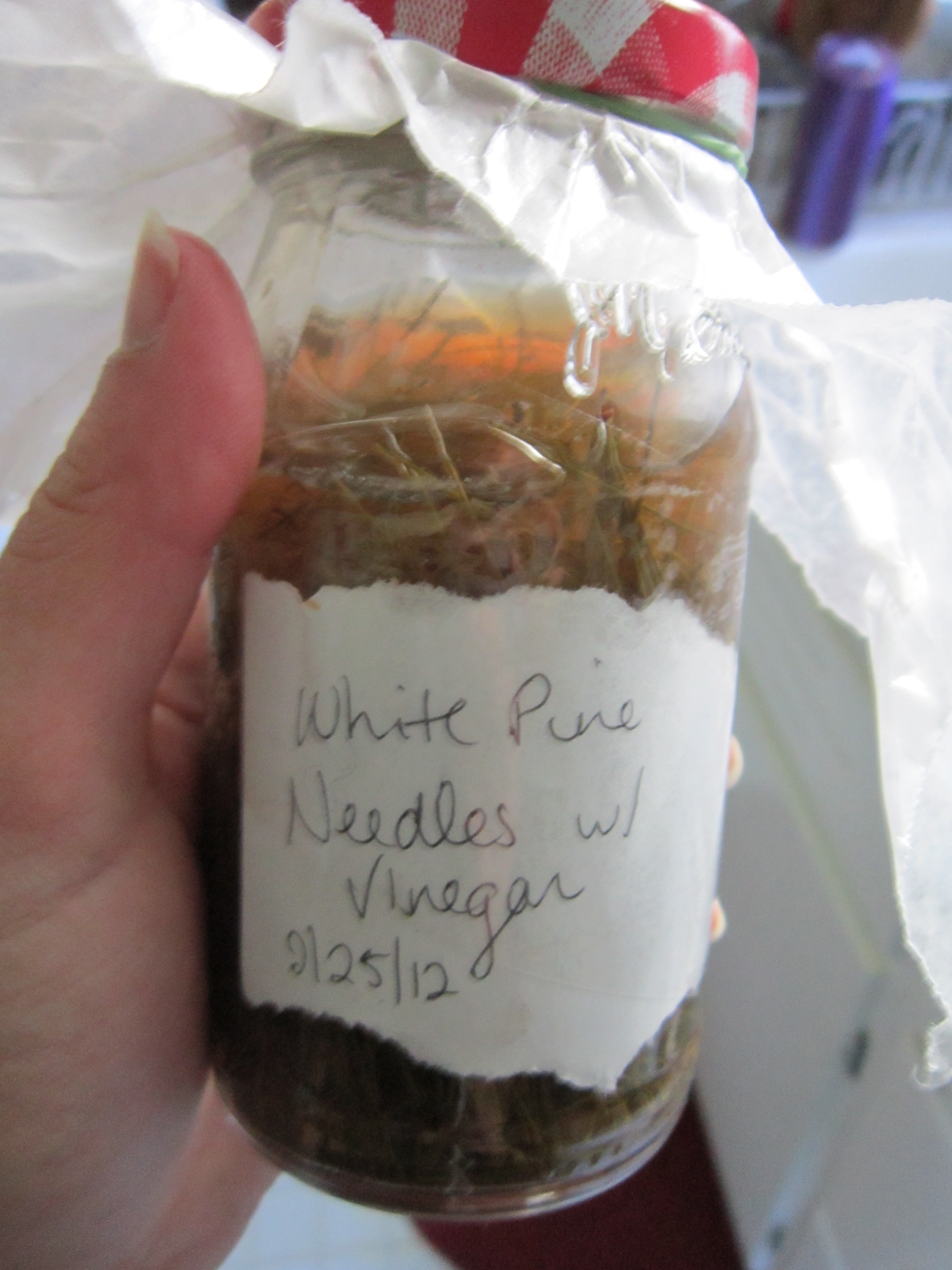
White Pine Vinegar ready to be strained!
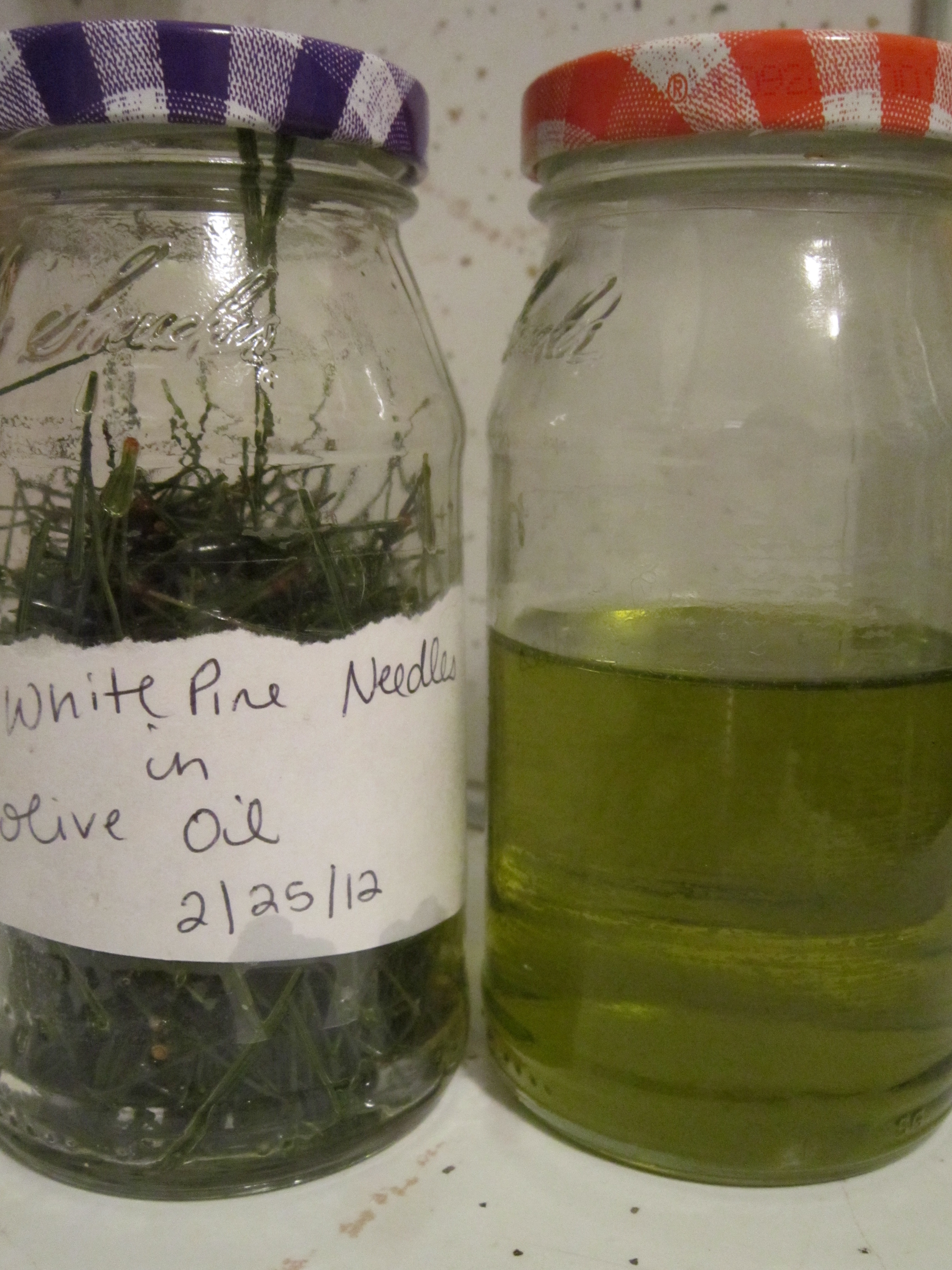
What’s another use for the pine needles? Infuse them in olive oil! The oil can then be used as a relaxing massage oil or as a chest rub to help with respiratory issues.
Cover a jar full of pine needles with the oil and let sit for 4-6 weeks.
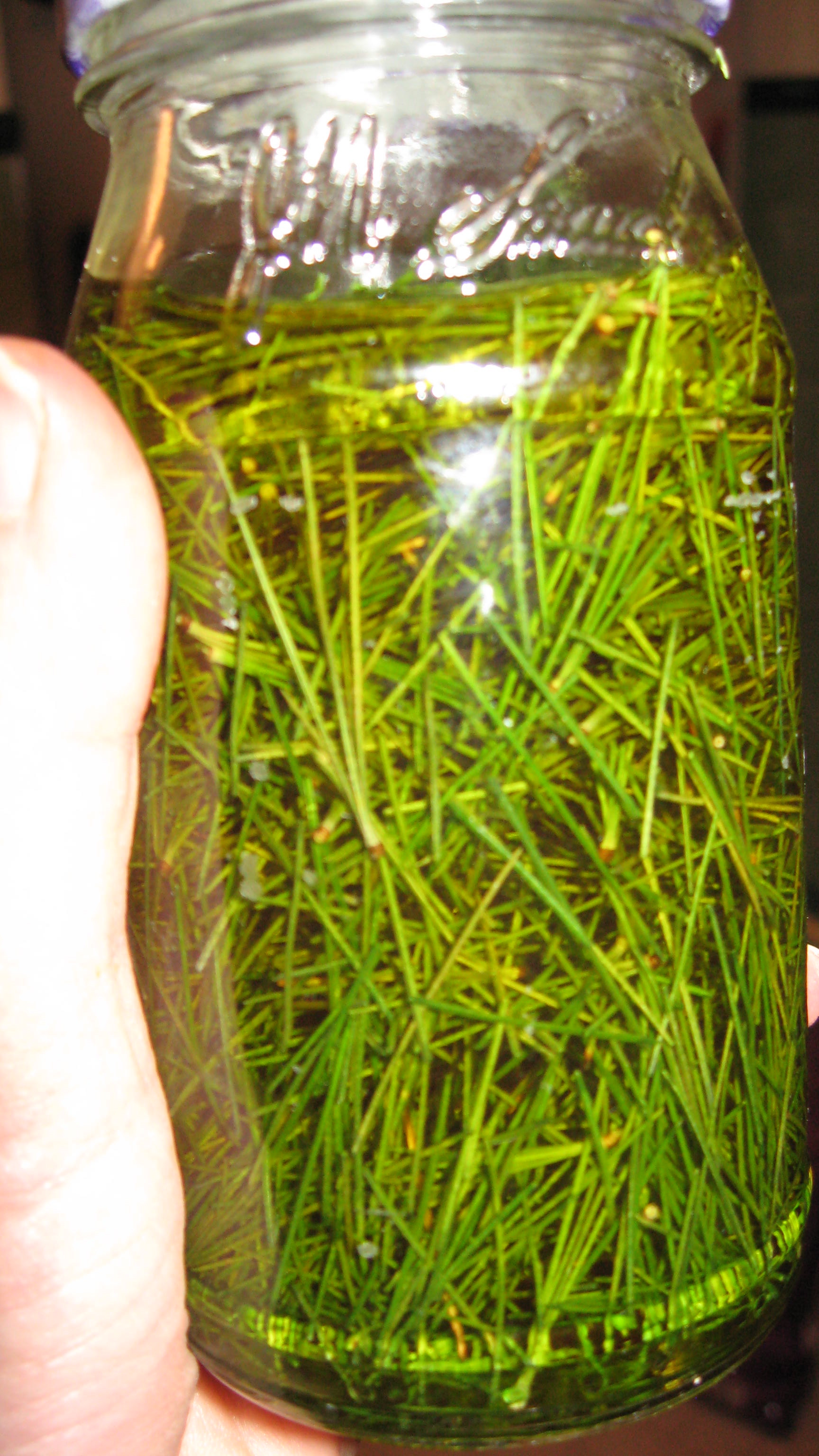 When you’re ready to use the oil, strain the needles out.
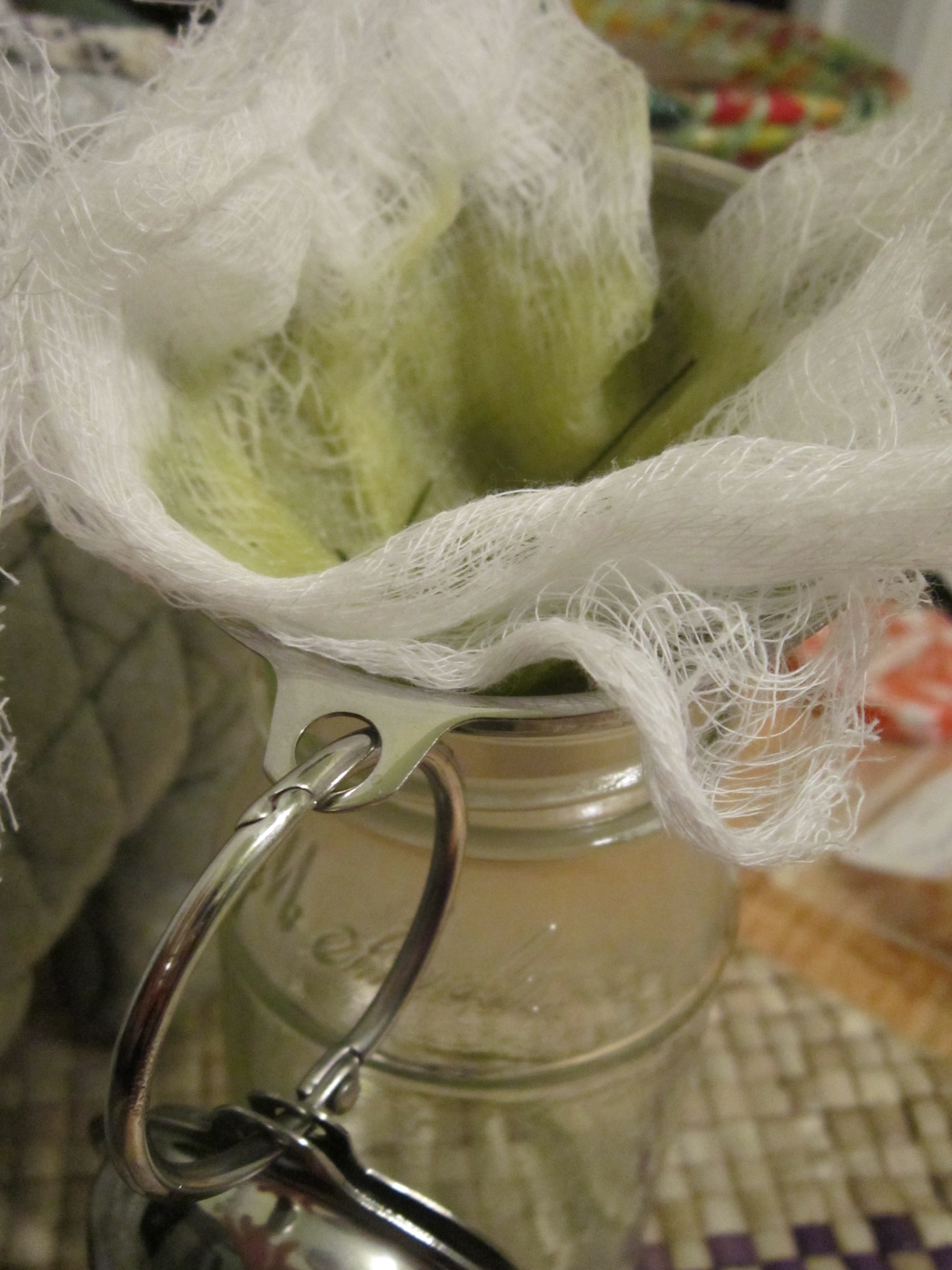
And you’re left with pine needle infused olive oil!
The oil can also be turned into a salve that can help to remove splinters (although it seems that the actual sap of a pine tree might be best at this!), or it can be put on small wounds to help them heal. I’ve also been having a fun time using it as a lip balm!
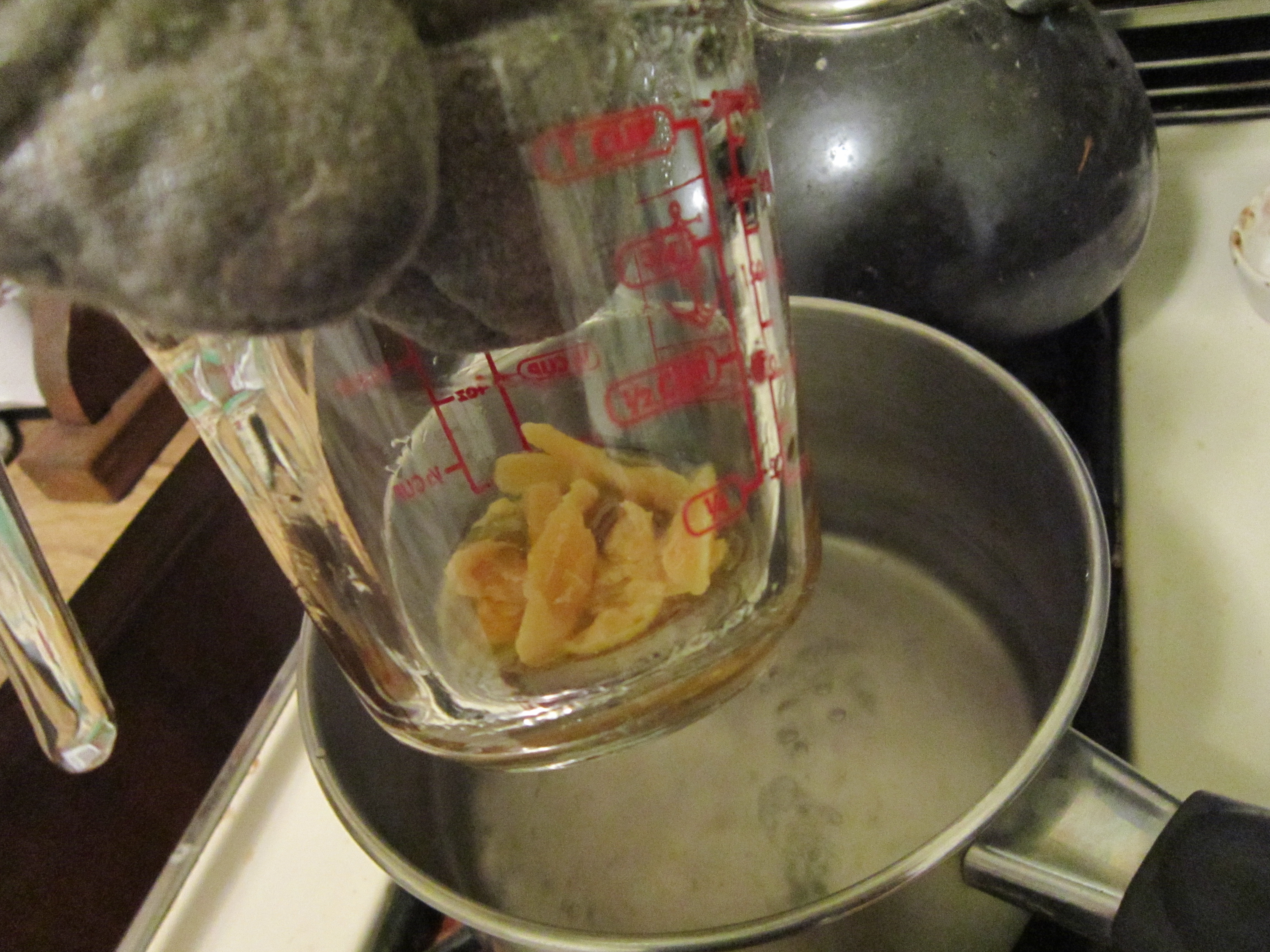
To make a salve, create an easy double boiler by putting a measuring cup into a pot of boiling water.
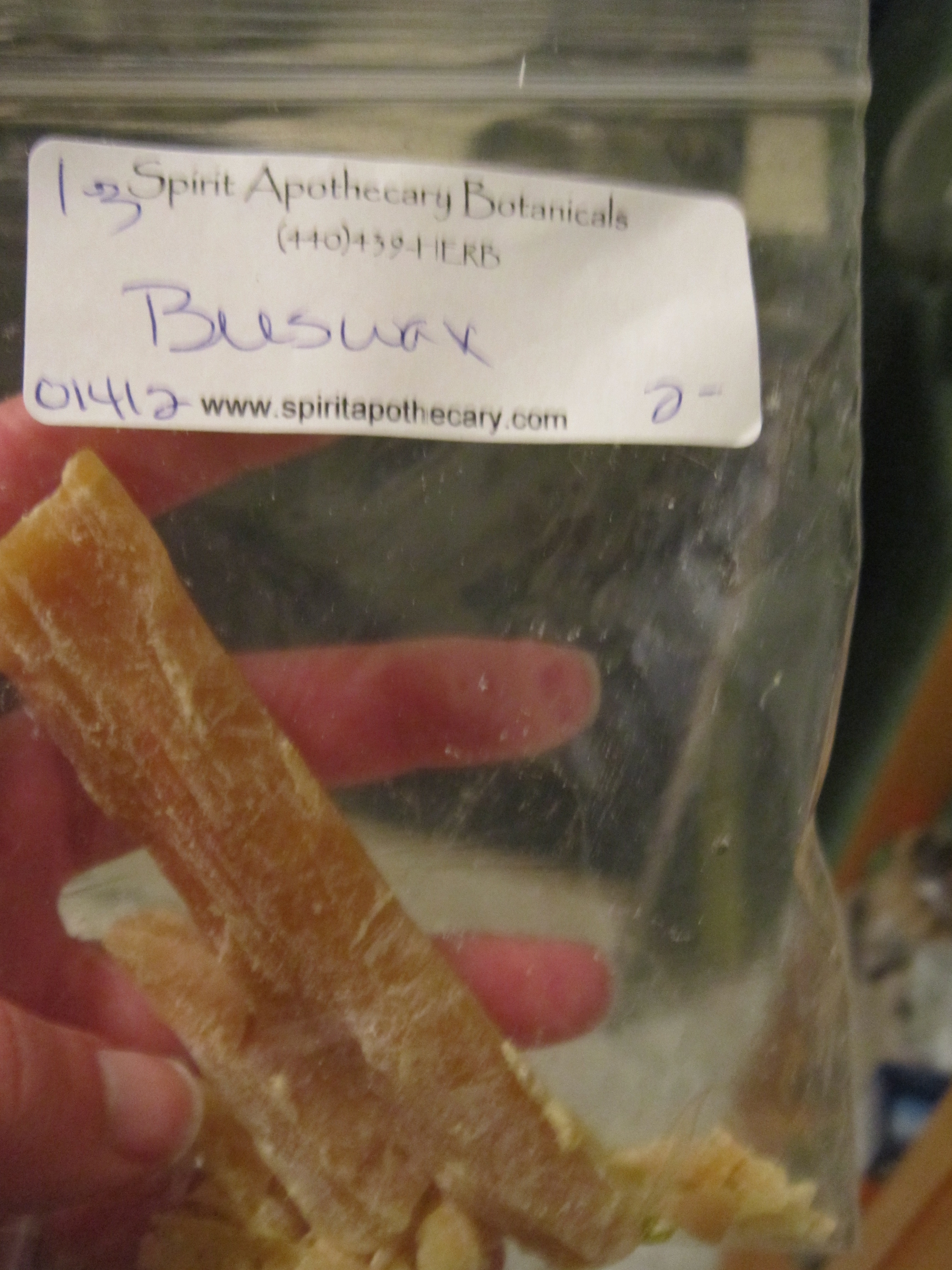
Add 2 Tablespoons of beeswax (I just guessed at the amount when I made this…) to the measuring cup and let melt.
After it has melted, add 2 ounces (1/4 cup) of the oil infused with pine. Stir with a chopstick until you reach an even consistency. Test to see if you’re done by putting a drop on your counter. It will allow you to quickly see if the salve is firm enough or too runny. Too runny? Add more beeswax. Too firm? Add more oil. 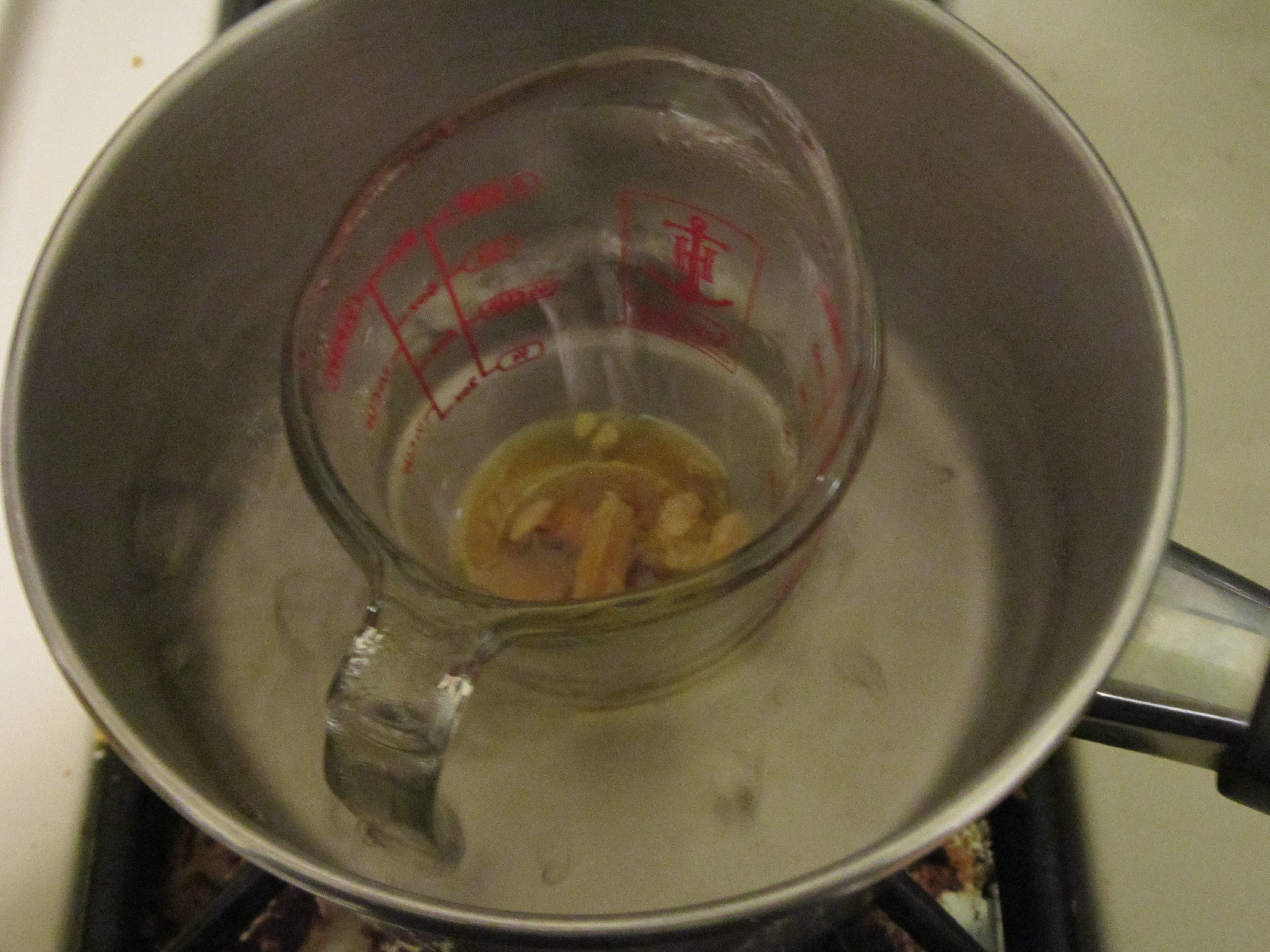
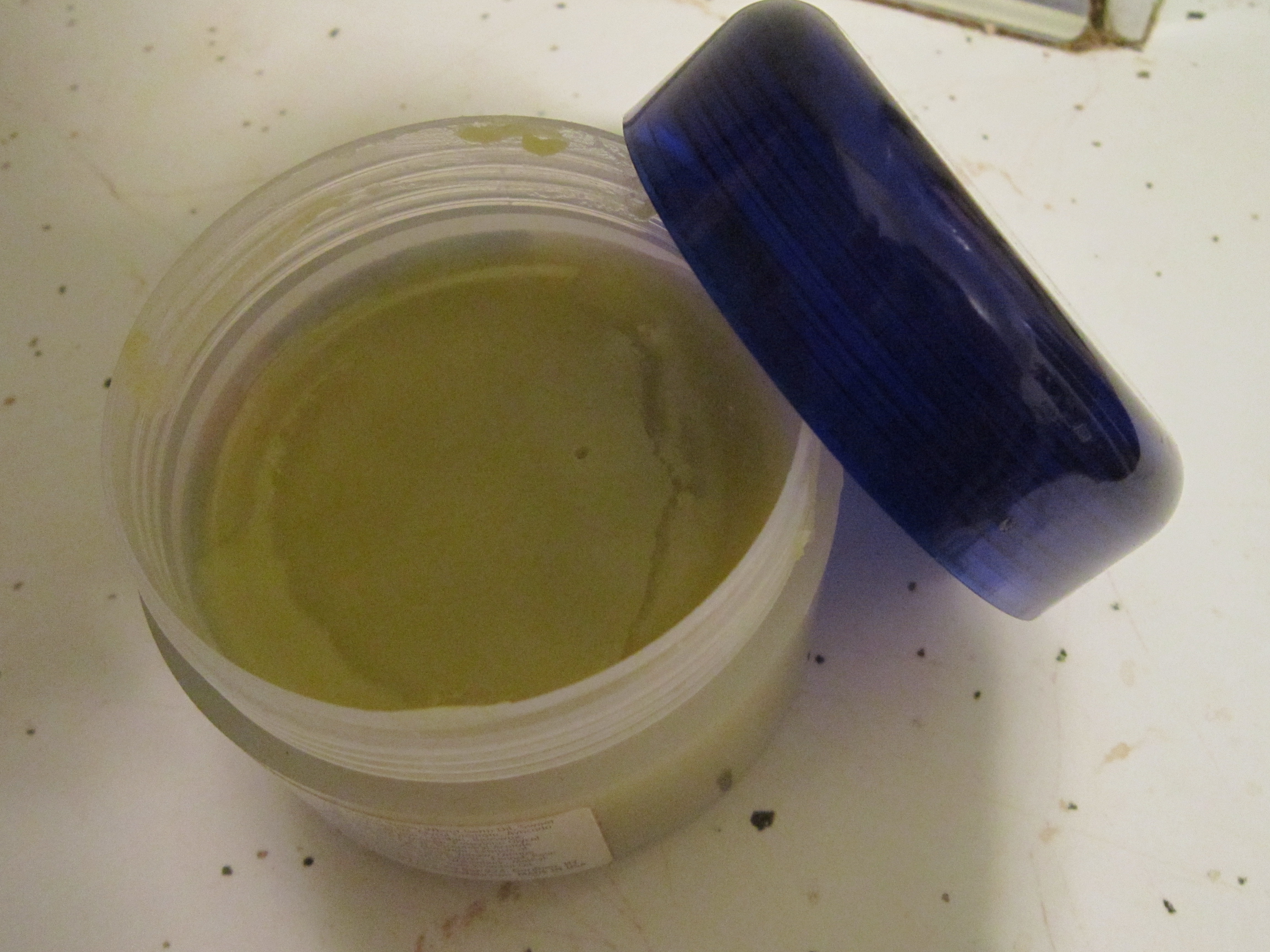
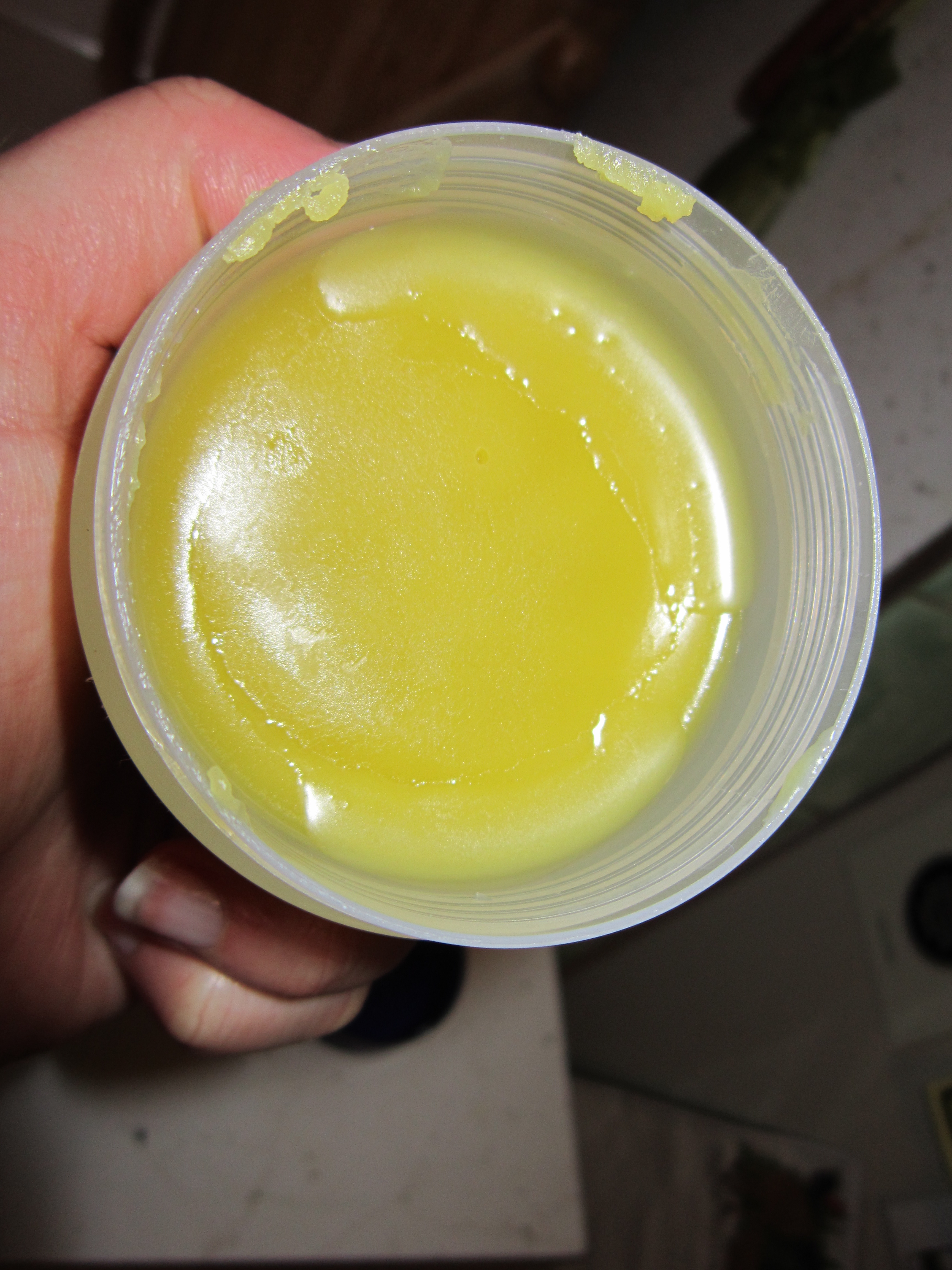
When the mixture is consistent, pour it into a reused container and let sit to become a salve! Use and enjoy knowing exactly what went into your product!

 These Light Footsteps