First Cob of the Season

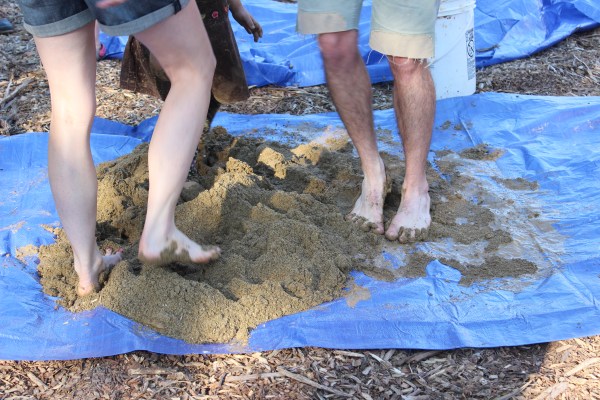
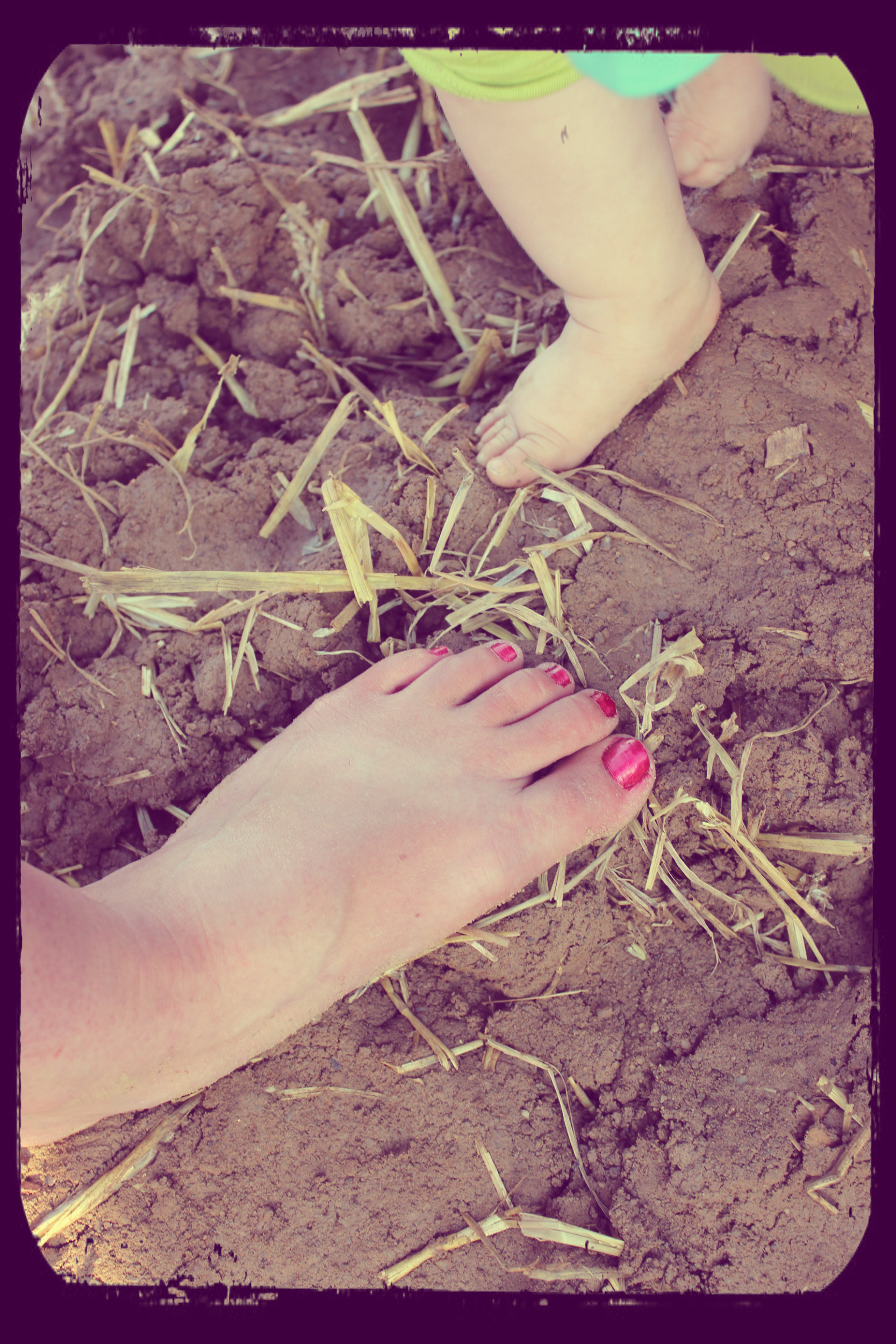
There’s nothing quite like sinking your toes into cob for the first time in the summer (or the first time in your life!).

our feet

There’s something about cob that draws people to it like insects to glowing lamp lights.  We hover around it, watch it with amazement, and can’t help ourselves but to dive right in. Continue reading

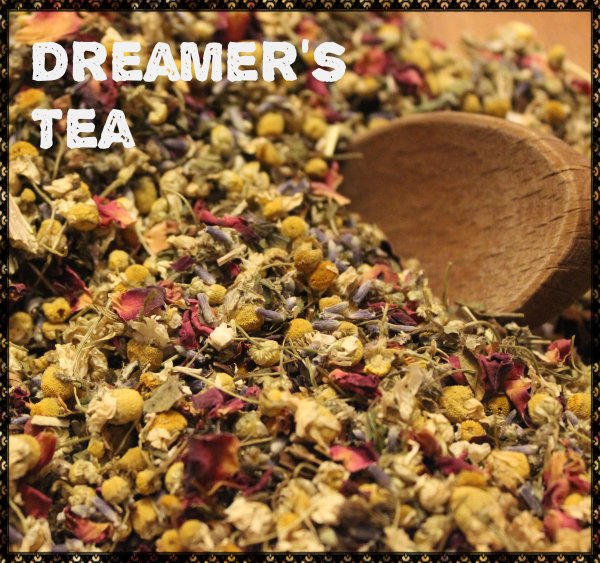
Enhance and remember your dreams with Dreamer’s Tea

Our culture doesn’t talk much about the significance of dreams, but to ignore these nighttime messages is to miss out on a valuable way of understanding and growing in our day-to-day and spiritual lives.

Dream symbolism can seem quite strange if it is taken literally, but the patterns, situations, and scenes we find in the night are the mysterious way our minds process information about our past, future, and place in the universe.  Interestingly, many of the patterns that arise in dreams are common across cultures and among people of diverse backgrounds.  The ability to dream is something that unites us all as humans. Continue reading

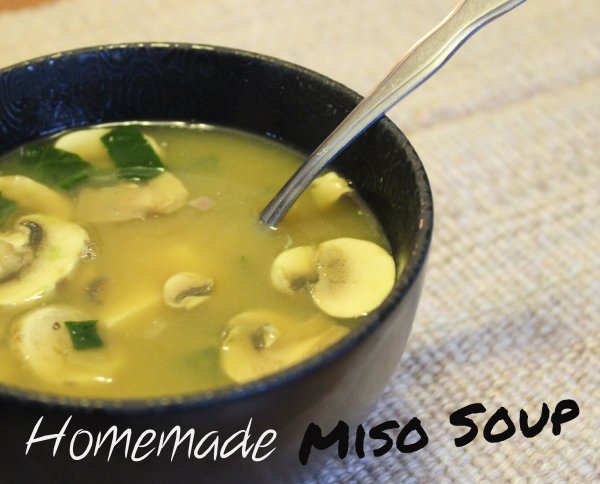
Homemade Miso Soup

It’s the time of year where rich, heavy dishes are becoming less appealing and I am longing for cleansing, lighter foods.  However, it’s still a bit chilly out and yesterday it even snowed again!  I thought we had seen the last of the snow, but I suppose not….

IMG_5694

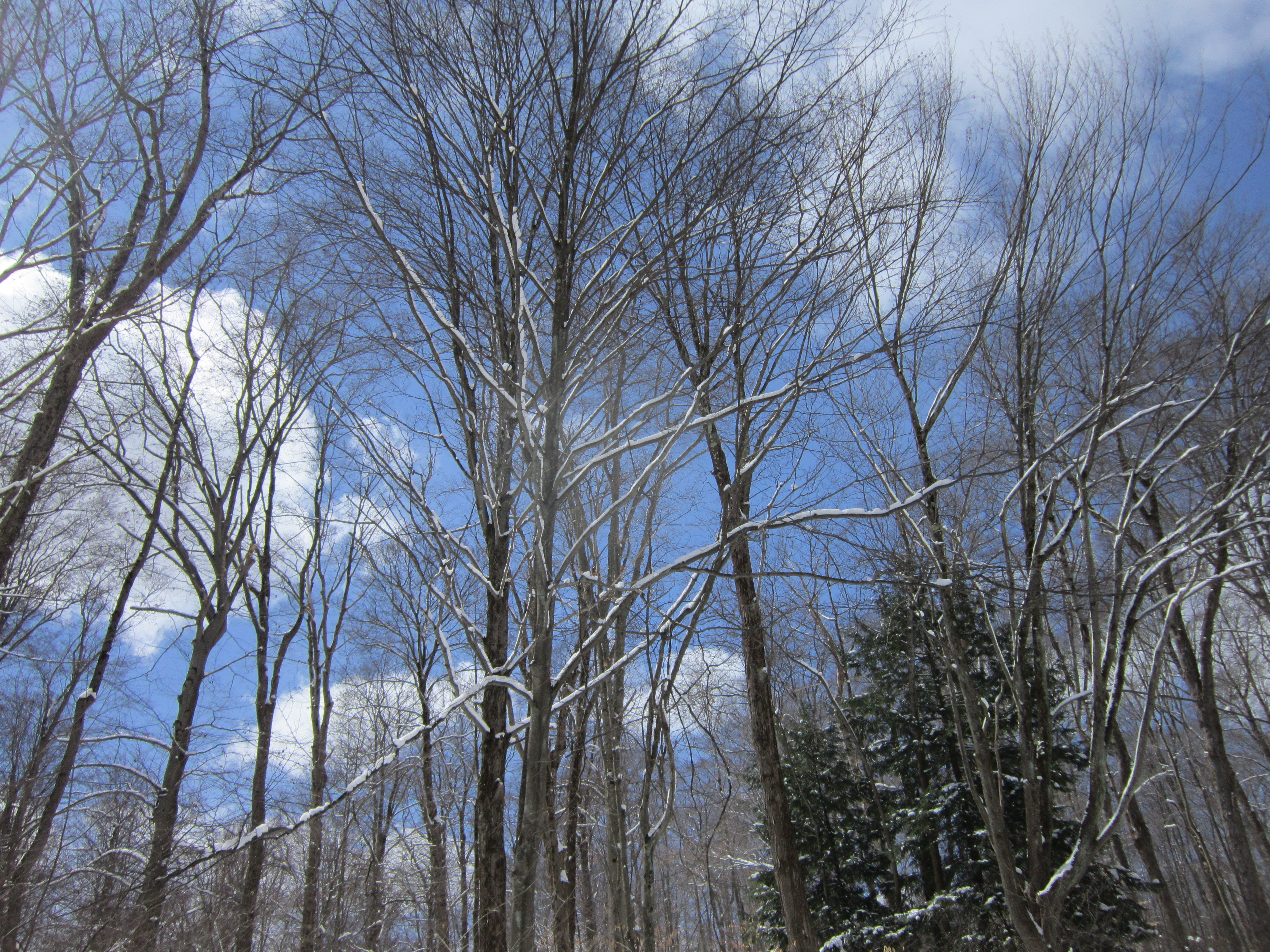
Luckily, the sun was shining so we had one last frolic in the snowy woods with a friend and her little man.  It was a thick snow that clung to the trees and flew off in puffs in the wind.  I have to admit, it was quite lovely although I do think I am ready to move on and embrace spring.  It’s going to be so fun with a little one around!

Continue reading

Immuni-Tea: Herbal Immune Support (that’s Delicious!)

Although we’re getting closer to the end of winter (I think…I can’t tell by looking out my windows today!), it’s still as good a time as any to talk about a tea that was formulated to help prevent the last of the winter (or beginning of spring) bugs that might still be going around.

This tea is very simple to make and it tastes DELICIOUS!

Previously, I’ve provided recipes for a honey and onion syrup to help with coughs, colds, and more, and I have also provided instructions for making an echinacea tincture.  The honey and onion syrup how-to actually remains my most popular post to this day.  Given that, I thought I’d also share this brew that has nipped this family’s winter bugs in the bud.

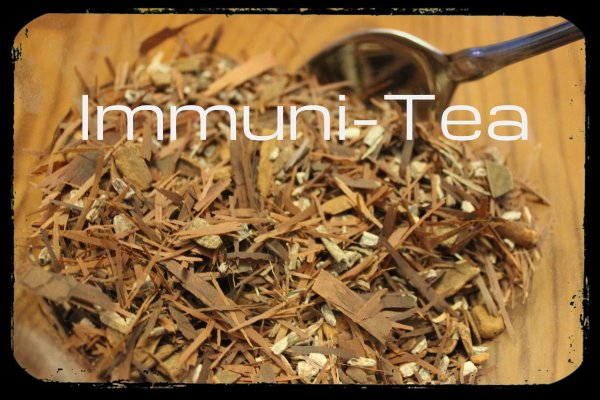
This tea is composed of three ingredients: echinacea (Echinacea spp.), pau d’arco (Tabebuia spp.), and an herb to flavor the blend (cinnamon, orange peel, licorice root, etc.). I like to use cinnamon — yum! Continue reading

Permaculture for Urban Homes and Small Spaces

One of the best things about blogging is discovering a new community of people with shared interests and goals.  One such kindred spirit is Mari of the blog Gather and Grow.  She is a fellow lover of permaculture and has graciously shared some great tips and inspiration for many of us who are interested in being more self-sufficient but feel limited by the space constraints of the urban environment.

Whether you live in an urban environment, or on many acres of land – I think you’ll find something useful here!

Permaculture Strategies for Urban Homes and Small Spaces

Permaculture designers love challenges. After all, permaculture is not just a set of organic gardening techniques, but a toolkit, a decision-making process, for designing sustainable human settlements. And one of its fundamental principles is: “The problem is the solution.”

What if we apply this principle to a challenge that many of us are all too familiar with: living in small urban spaces with little or no access to actual soil on which to grow food? Permaculture and gardening books present pictures of lovely, lush farm landscapes and large suburban lots overflowing with greenery, fruit trees, and vegetable gardens, perhaps even with small livestock. But what do you do if you live in an apartment, or have only a postage-stamp-sized bit of yard by your front door?

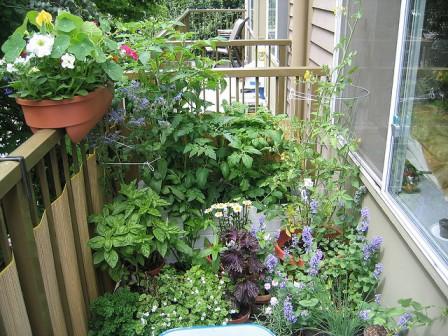
The permaculture answer: you can still do a lot. In this case, seeing the problem as the solution means turning the seeming constraints of an urban environment – the density of buildings, people, and resources – to your advantage, and doing things like intensive planting, vertical growing, and maximizing solar exposure in- and outdoors. Here I present ideas and strategies first for the apartment dweller, and then for those who do have yard space but it’s limited. Continue reading

DIY Felted Wool Dryer Balls

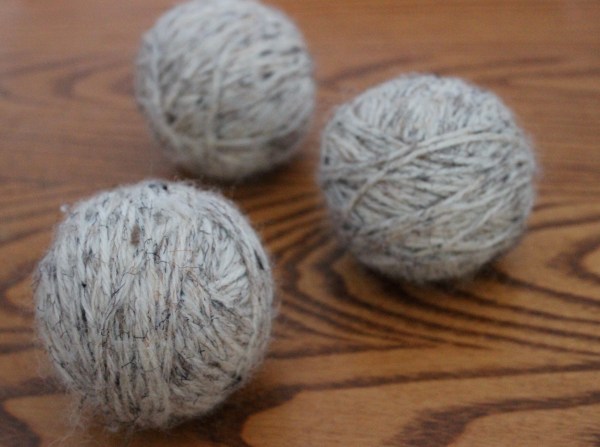
Here’s a quick and easy project to help “green-up” your laundry: felted laundry balls.  They’re non-toxic, save energy, and can be composted when you’re done with them!

But why would you want to use balls of wool instead of your usual dryer sheets?  Commercial dryer sheets often contain harmful chemicals that attach to clothing allowing them to enter your body as you wear your clothes.

Healthy Living How To lists the 7 most common chemicals found in dryer sheets: Continue reading

Super Easy DIY Moby-type Wrap for Baby

For me, the effort to live more simply will also come through in the way I try to raise baby Light Footsteps.  So for example, that will mean cloth diapers, an attempt to avoid excessive scheduling, breastfeeding, baby-led weaning, and baby wearing (amongst other things, of course!).

In addition to being the method of transporting babies for many millennium before strollers, baby wearing advocates cite numerous potential benefits including:

  • reduced infant crying
  • better ability for parents to learn and respond to baby’s cues
  • ease of breastfeeding
  • increase in parental confidence
  • increased ability to do chores, walk, etc. while keeping baby near Continue reading

Forest Farming, Inoculating Mushroom Logs, and a Surprise

Recently I attended a weekend workshop focused on forest farming.

I can hear you ask, “What’s forest farming?”

Well, it’s the process of growing non-timber forest crops beneath the canopy of an established forest. In this way, forest farming is a form of “productive conservation” – you’re reaping benefits of crops grown in the forest while protecting the land from destruction. Examples of non-timber forest farmed products include: maple syrup, medicinal plants, mushrooms, nuts, ornamental woodland species, and fruit. (Learn more here.)

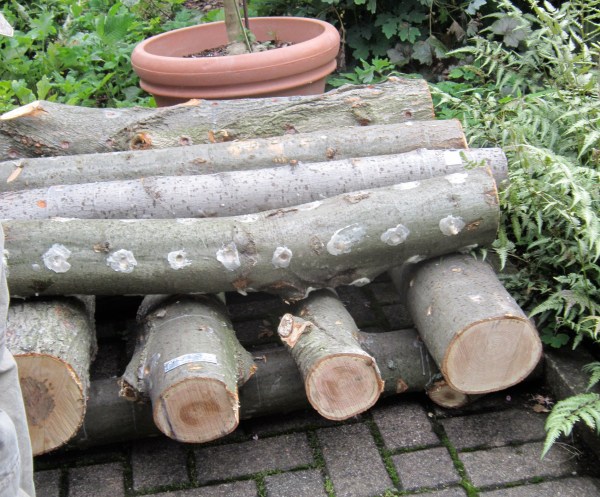
IMG_4660 Continue reading

It’s International Permaculture Day!

Happy, happy International Permaculture Day! !

Have you been doing anything to celebrate (maybe even if you didn’t know it was today)? Continue reading

Homemade Yogurt in a Crockpot – Four Steps

Yogurt is an excellent way to promote proper functioning of your digestive system. As long as you’re eating yogurt that has live active cultures, it contains probiotics (aka beneficial bacteria) that help to balance the microflora in your gut.  This makes digestion easier and helps keep your system moving regularly.

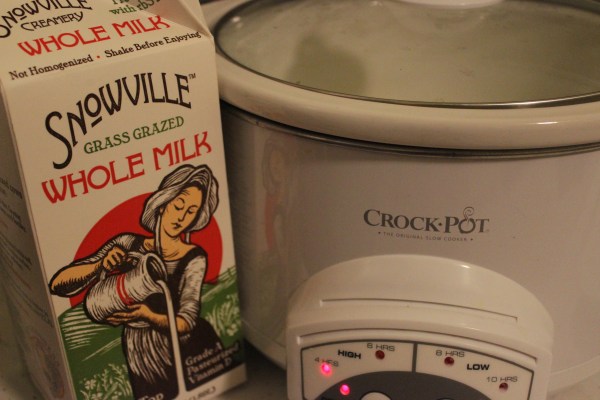
Making your own yogurt ensures that you know where your milk came from, and also reduces your reliance on continually buying hundreds of little yogurt containers.  By knowing where your milk comes from, you can be sure to choose milk from grass-fed cows.  Not only are grass-fed cows generally living a higher-quality, free-ranging life where they are eating what they should be naturally (i.e. grass and not corn or soy which also increases your exposure to GMOs), but grass-fed cows also produce milk that is more nutritionally dense.   For example, most grass-fed cow milk contains nearly 5x more conjugated linoleic acid (CLA), an unsaturated fat that may help with heart health and assist with weight loss. Continue reading