
It took me a month of working with my sourdough starter, but it finally resulted in a delicious loaf. It still needs work, but I think it was a darn good first try.
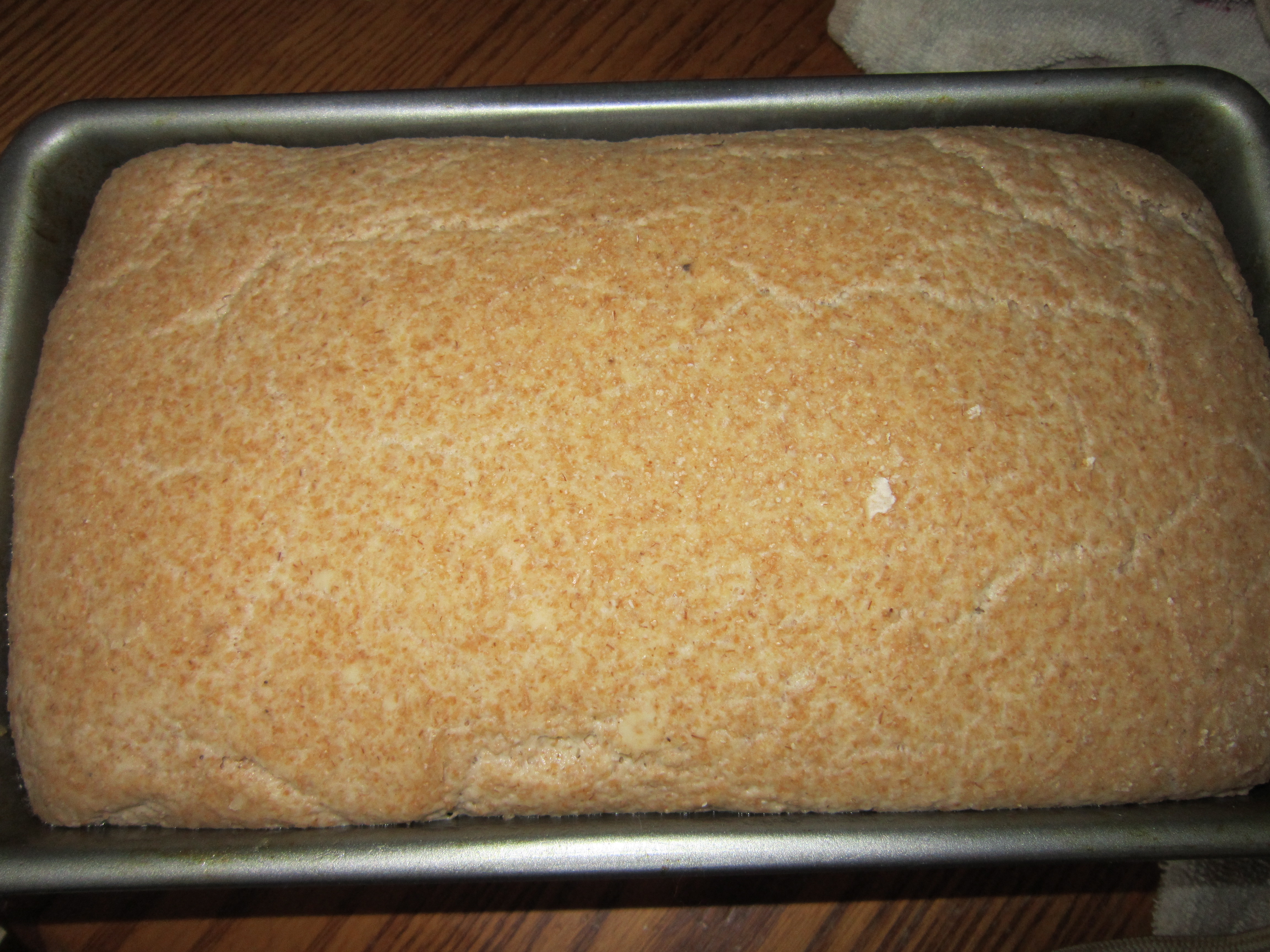
Fresh sourdough bread!
It took me a month of working with my sourdough starter, but it finally resulted in a delicious loaf. It still needs work, but I think it was a darn good first try.
Fresh sourdough bread!

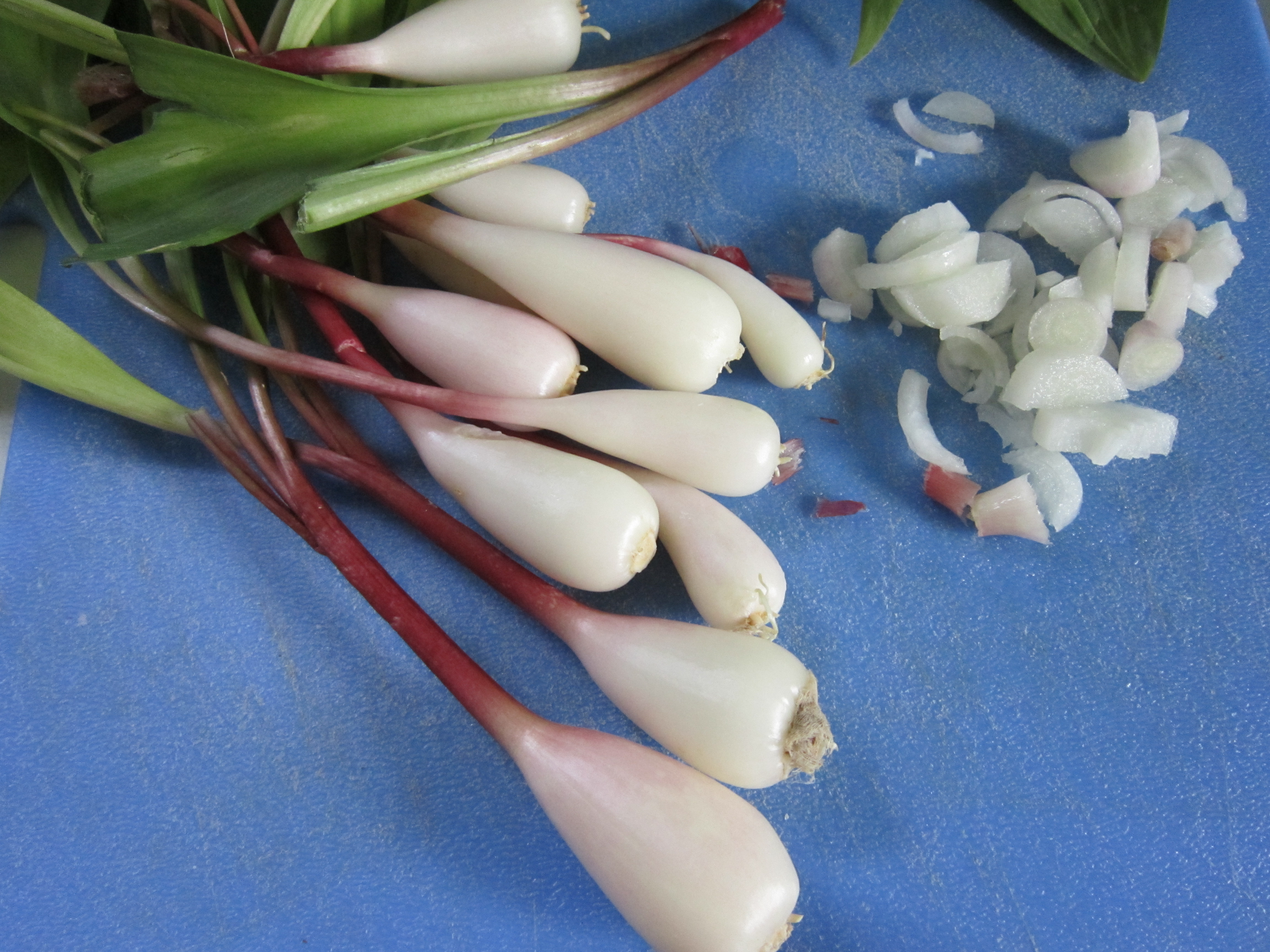
Here are the ingredients from the original recipe:
And here is what I used instead:
I thought this recipe would be better with the addition of some protein (the beans), I excluded a vegetable that is not in season (the celery), and I was excited to try my whey as a stock in addition to some vegetable stock! I also added some additional barley, but you might want to add even more if you give this recipe a go.
Directions:
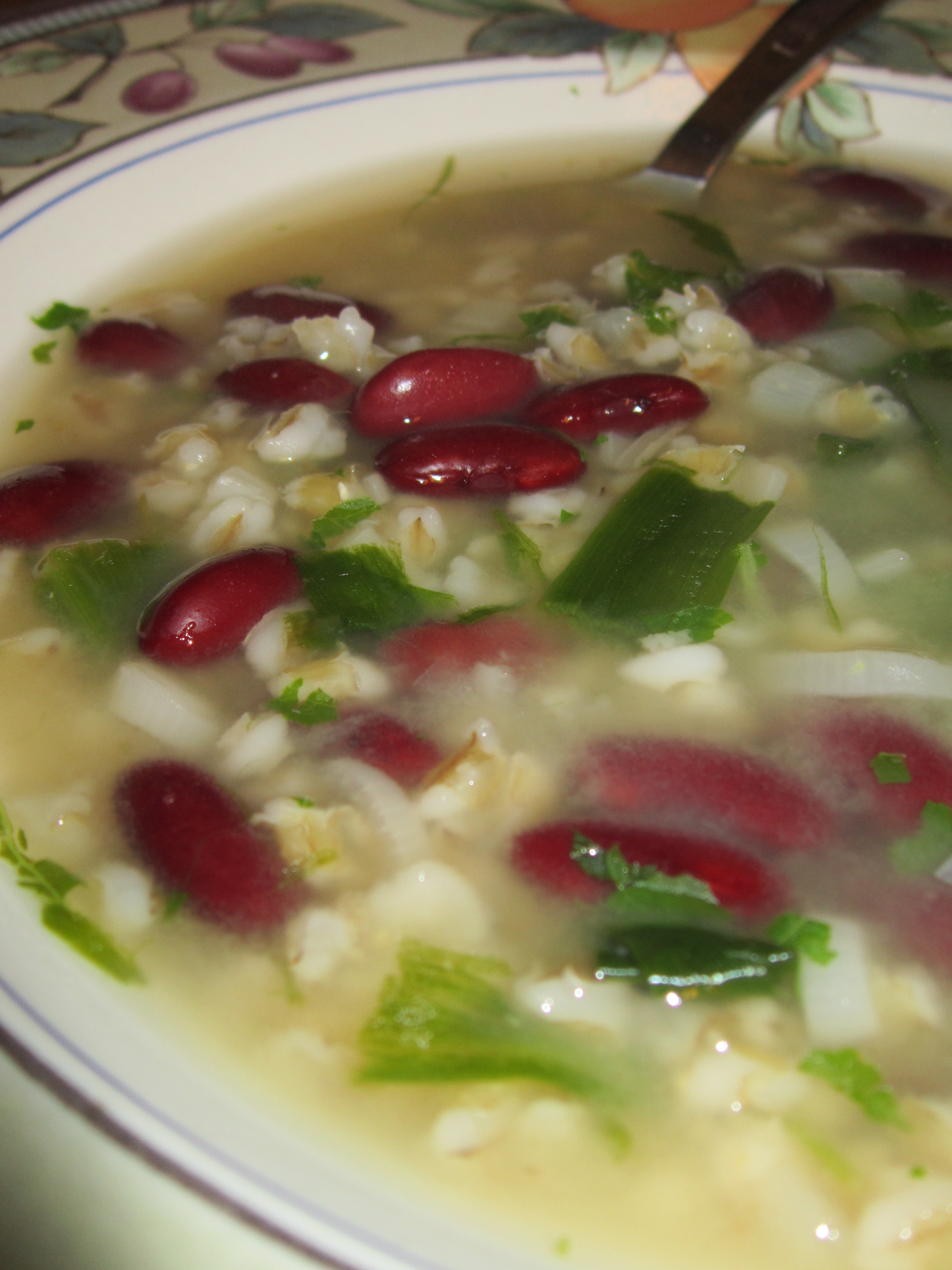
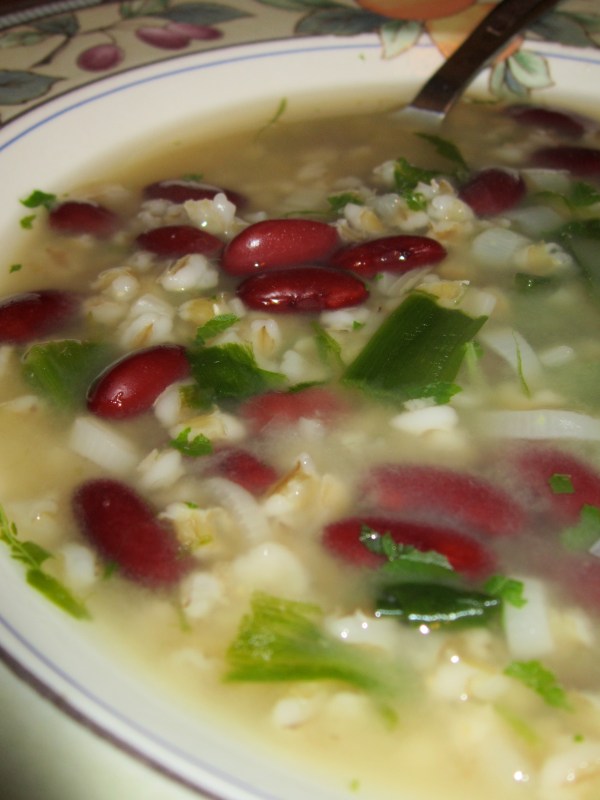
Ramp, barley, and beans soup
I’m not sure why my version doesn’t seem nearly as green & creamy as the photo used by the magazine. Maybe this is because I didn’t use my good blender (too much clean-up to make soup!), or because I didn’t use enough ramp greens (some were yellowing as the season ends…), or maybe they were cheaters and used food coloring!
Either way, the meal was tasty & (mostly) local, but would have been better if I had found time to bake bread to go with it! Next time…
Also on ‘these light footsteps’:

When you make the decision to start incorporating more local and seasonal foods into your diet, it can initially be overwhelming because not many of us are used to working with the foods that are found in seasonal abundance. It forces us to get a bit more creative with our cooking.
So for example, with ramps being abundant right now I’ve made them into pesto, chopped them into salads, sauteed them as toppings, and yesterday I tried what I’ve gathered to be the “authentic” West Virginian way to eat ramps — with beans (and cornbread). And I still have a few more tricks up my sleeve before the ramps disappear! (Stay tuned…)
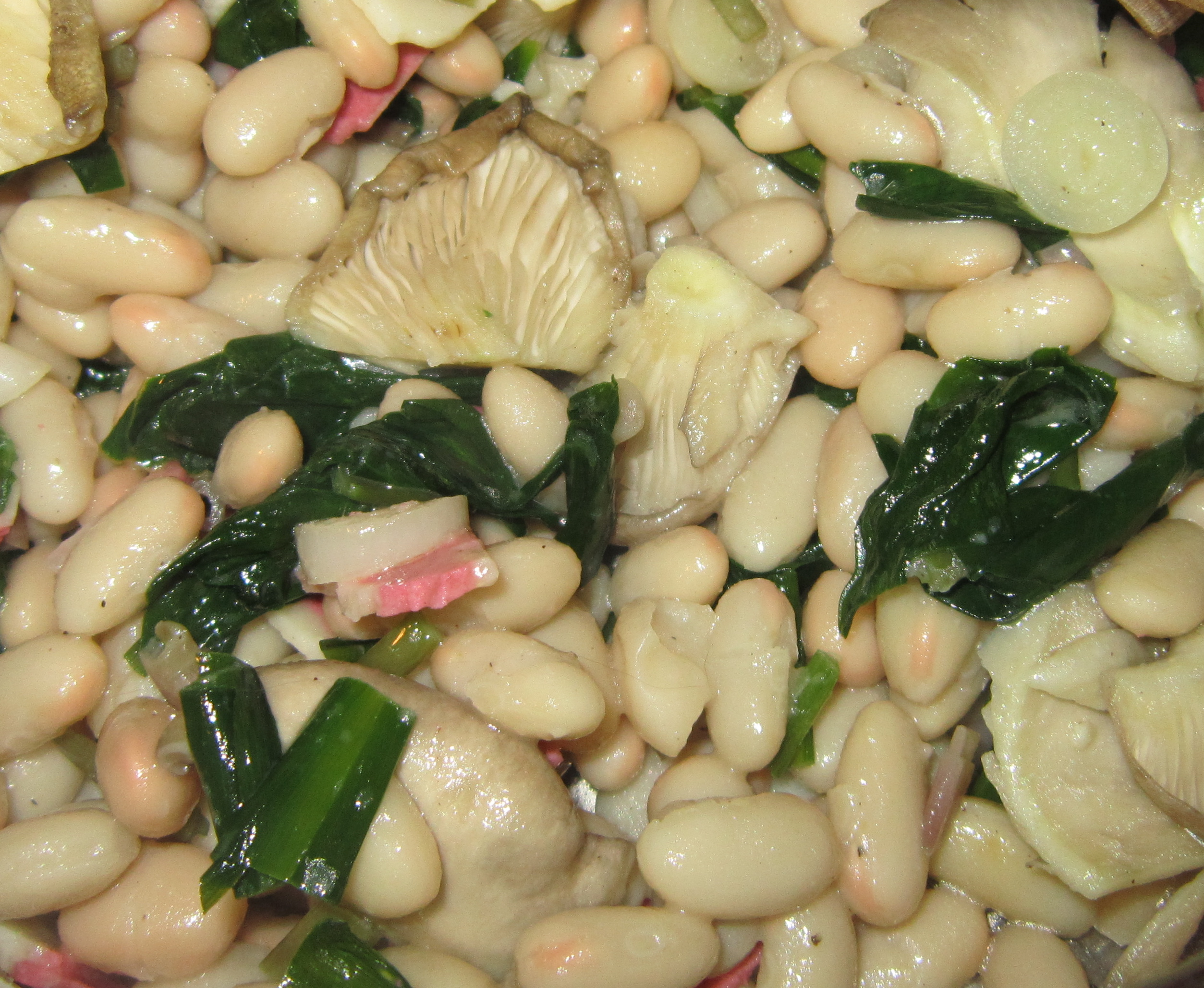
Ramps and beans (and mushrooms)!
Another popular item at farmers’ markets in the Spring is kale. I suppose I had started to learn about kale before trying to be quite as much of a locavore as I am today, but it’s definitely not something that I grew up eating. And when you’re not used to eating greens like kale and collards, they can be intimidating. But greens like kale are good to incorporate because they’re so darn healthy!
I think I first started to actually like kale because of kale chips. I believe they’re relatively palatable even to the novice kale eater, and yet they start to break you in to kale’s bitter charms.
There are many types of kale chips to make, but I think it’s best to smother kale in a delicious tahini sauce.
TAHINI KALE CHIPS
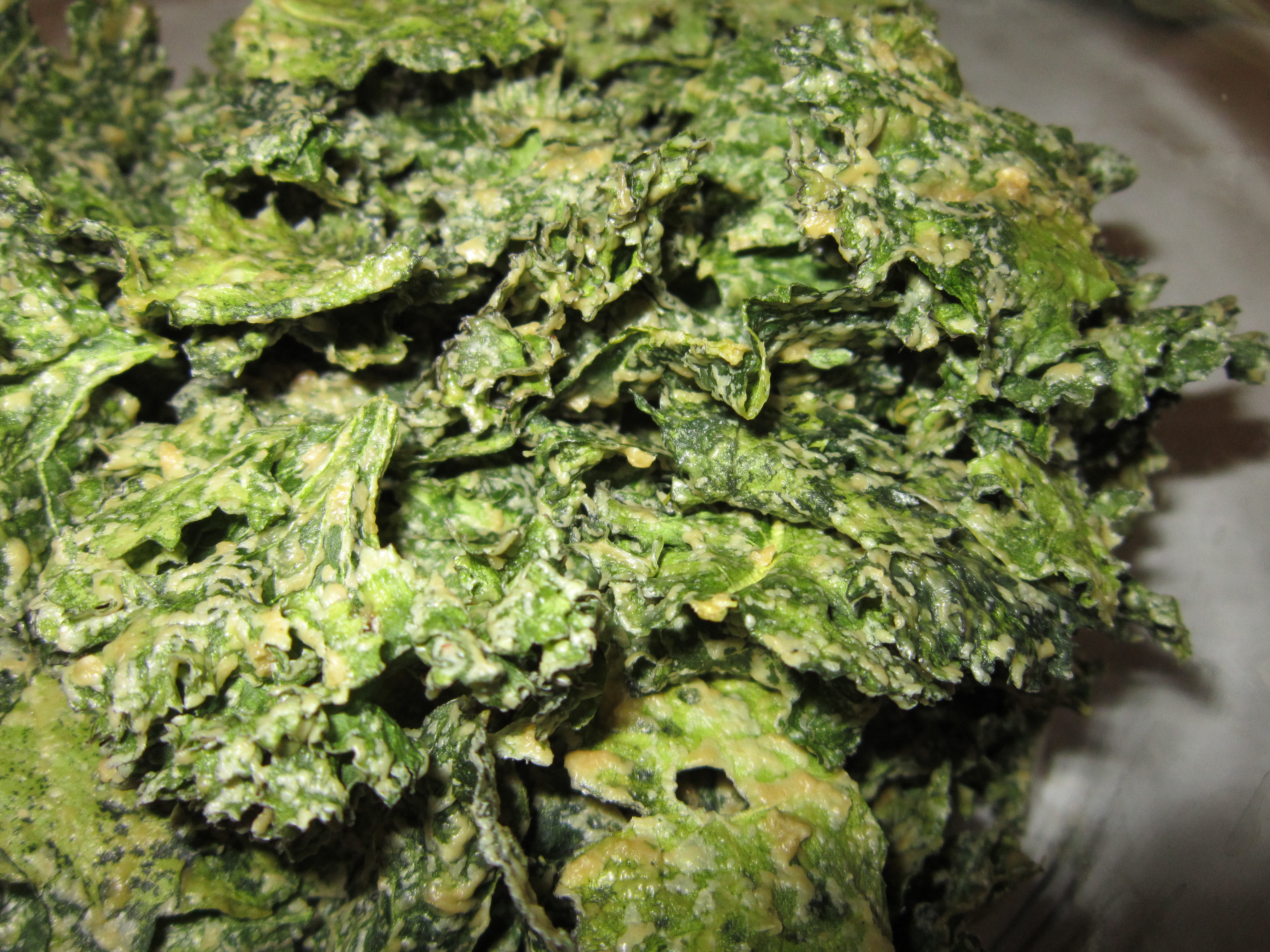
Kale Chips
Break the kale into bite-sized pieces and place into a large bowl (take out any of the thick stems). Mix all of the other ingredients in a blender, and then pour the sauce over the chips and mix it in well. Lay the coated chips out on dehydrator sheets or oven sheets.
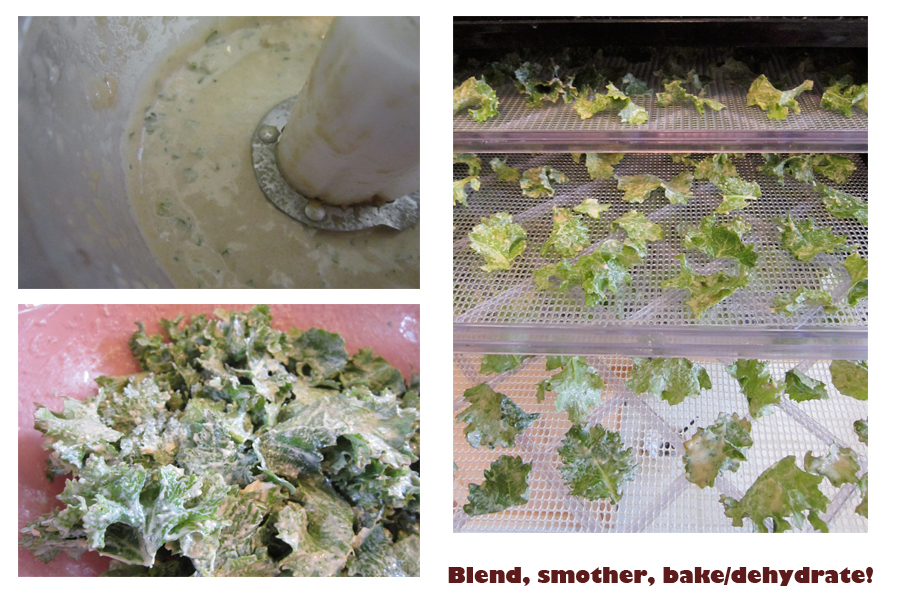
Dehydrate at 115* for about 4 hours or until really crispy (some recipes call for up to 8 hours — I did this last batch for 6). You can also use an oven at 200* for about an hour, but check it often. I’m sure that some people have mastered the oven version of kale chips, but I haven’t had luck with that.
I realize that not all of these ingredients are local, but I think this is a good place to start experimenting with kale. And you can try to get as many of these ingredients as locally sourced as possible.
However, I was also able to devise a more locally-sourced kale recipe this week…
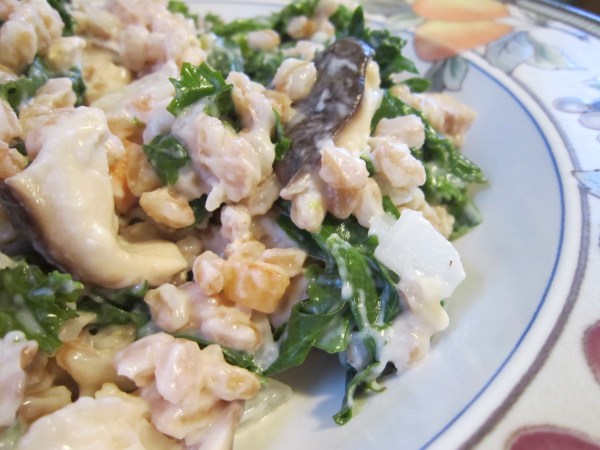
FARRO WITH KALE, SHITAKE MUSHROOMS, AND CHEVRE
I found some star ingredients at the farmers’ market that I was inspired to combine into this dish.
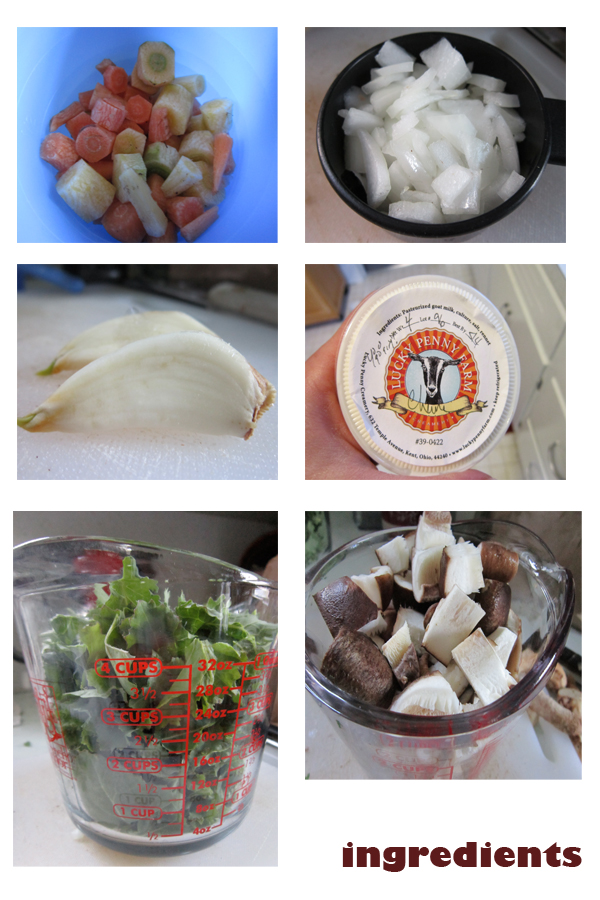
Start by sauteing the carrots, onions, and garlic in the butter until they’re soft and the onions are translucent. Add the mushrooms and cook for about 2 minutes. Add the kale and watch for it to wilt a bit and turn a darker color of green — this means it’s getting close to ready, and you can add the 2 cups of warm, cooked farro.
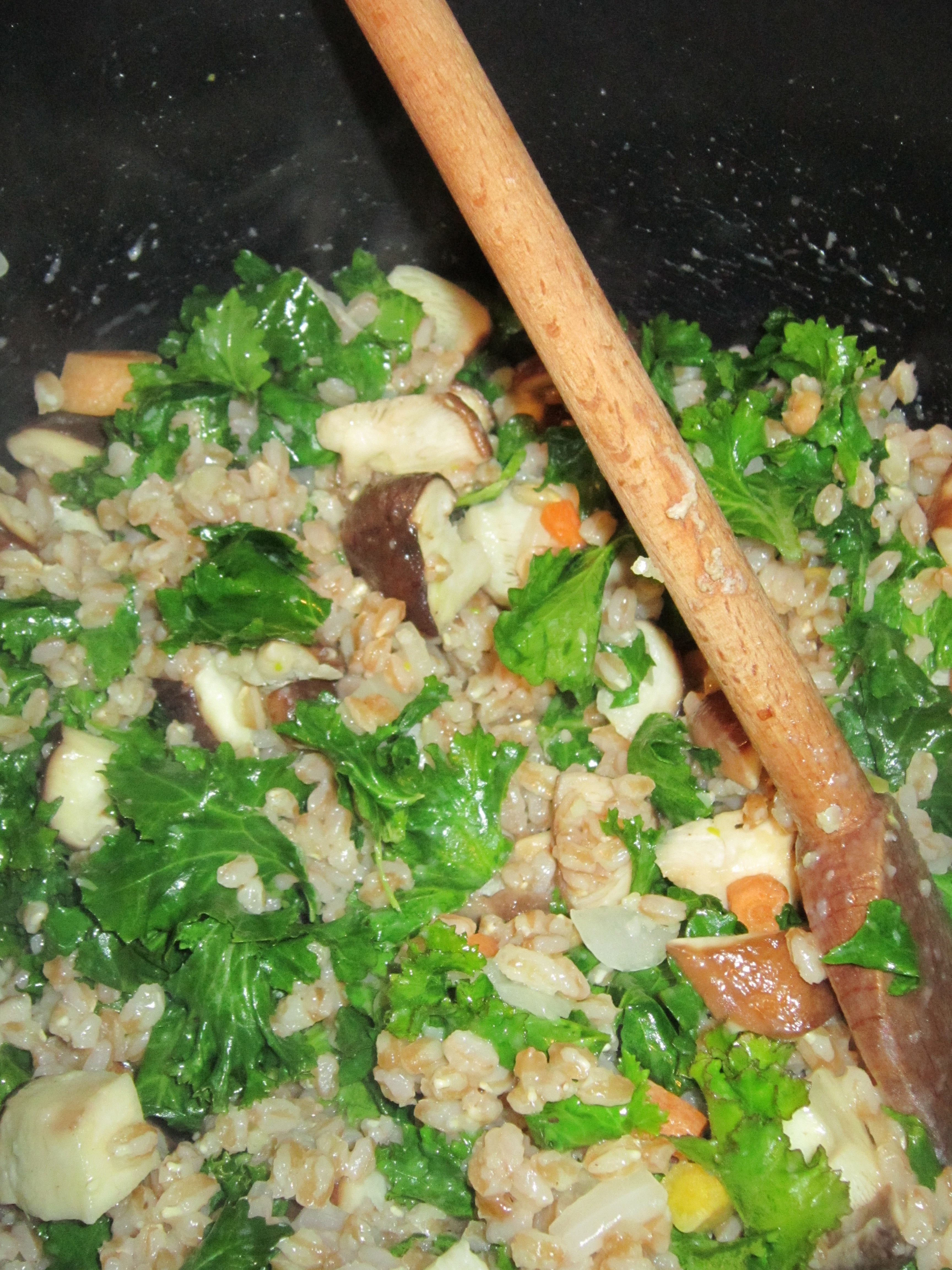
Stir it up
Mix all of this together and then add the chevre. Keep stirring this while the heat is low until the cheese is melted in and creamy. Local and delicious!
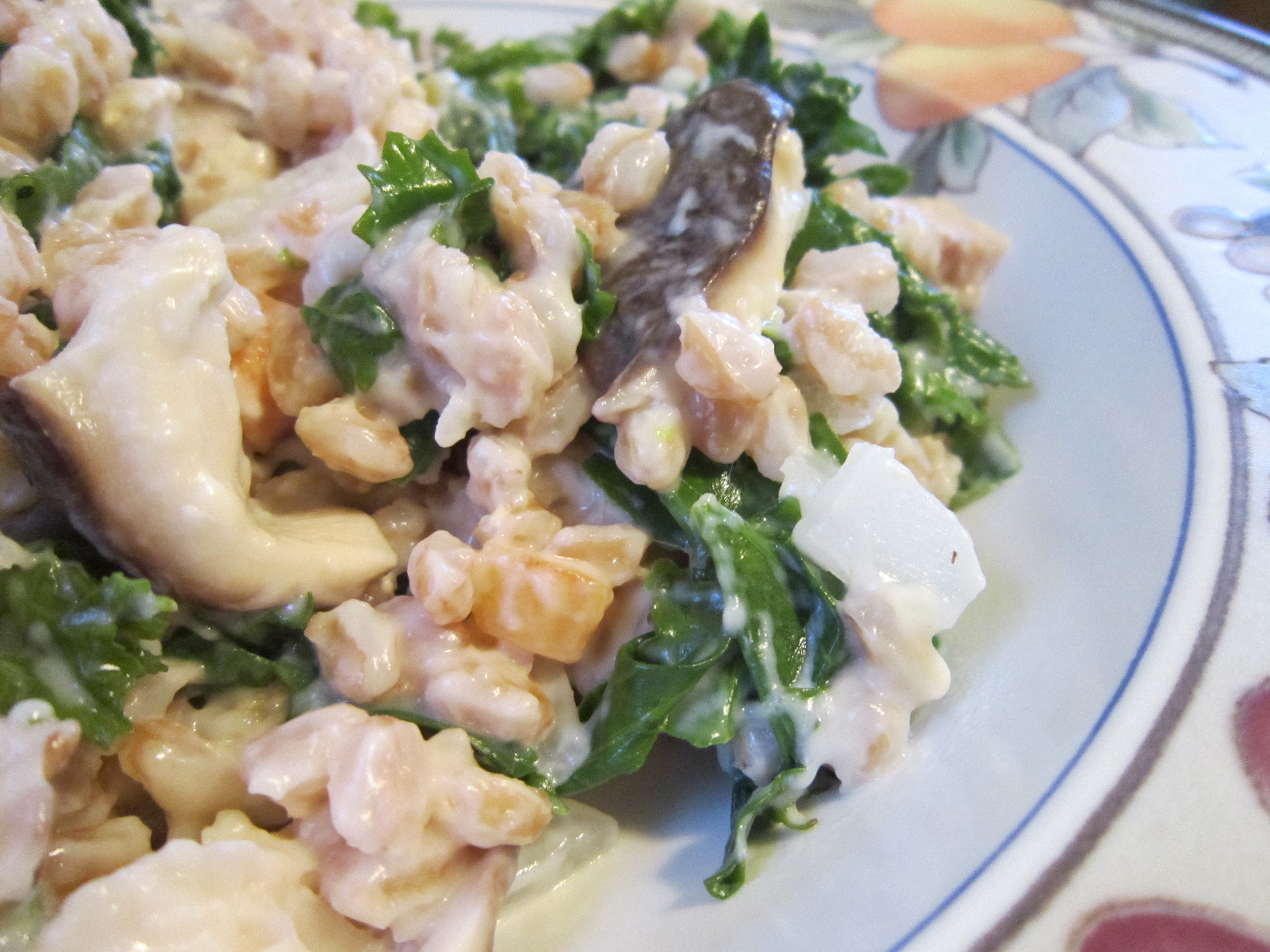
Farro with shitake mushrooms, kale, and chevre.
Linked up on the Homestead Barn Hop.
Also on ‘these light footsteps’:

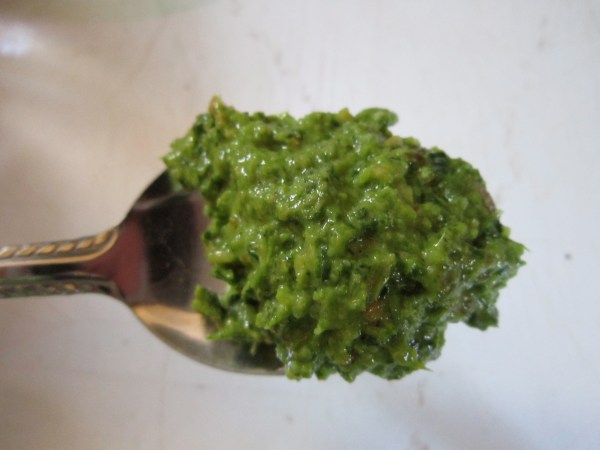
Wow. My brain’s pleasure neurons are still lighting up after discovering this one. Ramp + Oregano pesto, you have won over my heart and my mouth.
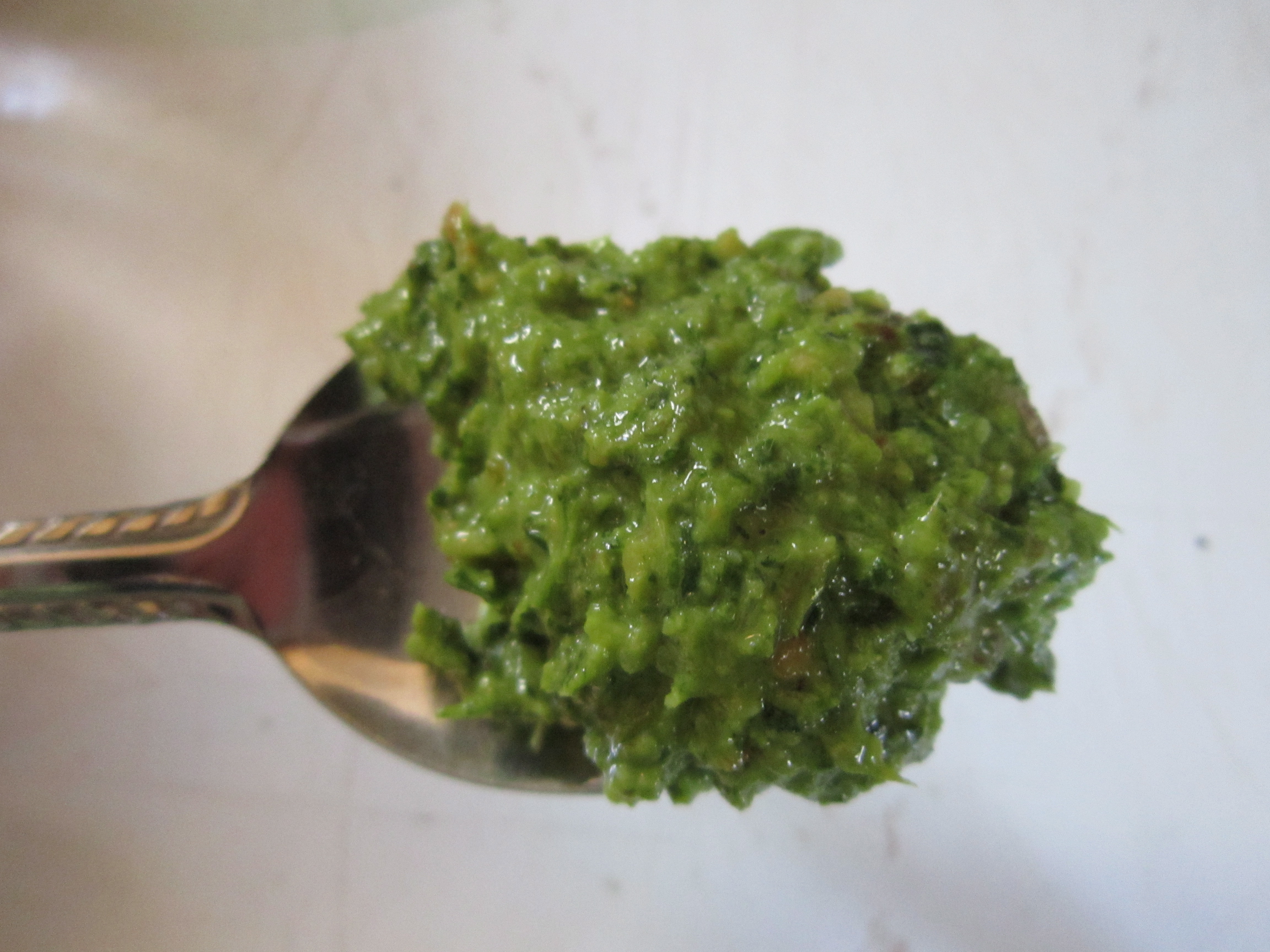
Ramp + Oregano Pesto Goodness
This week at the Tremont farmers’ market, one of my favorite farmers (from Por-Bar Farms) had a deal on ramps and oregano with the suggestion of making a pesto. I hesitated for a moment as I’ve been collecting so many of my own ramps, but I haven’t gathered any for a few days so I went ahead and got the deal. I am happy that I did as this makes a fantastic pesto!!
I looked around at quite a few recipes today, but didn’t find anything quite perfect enough for me, so I took what I learned and developed my own.
To make something similar, you will need:
First, you’ll need to chop the ramps.
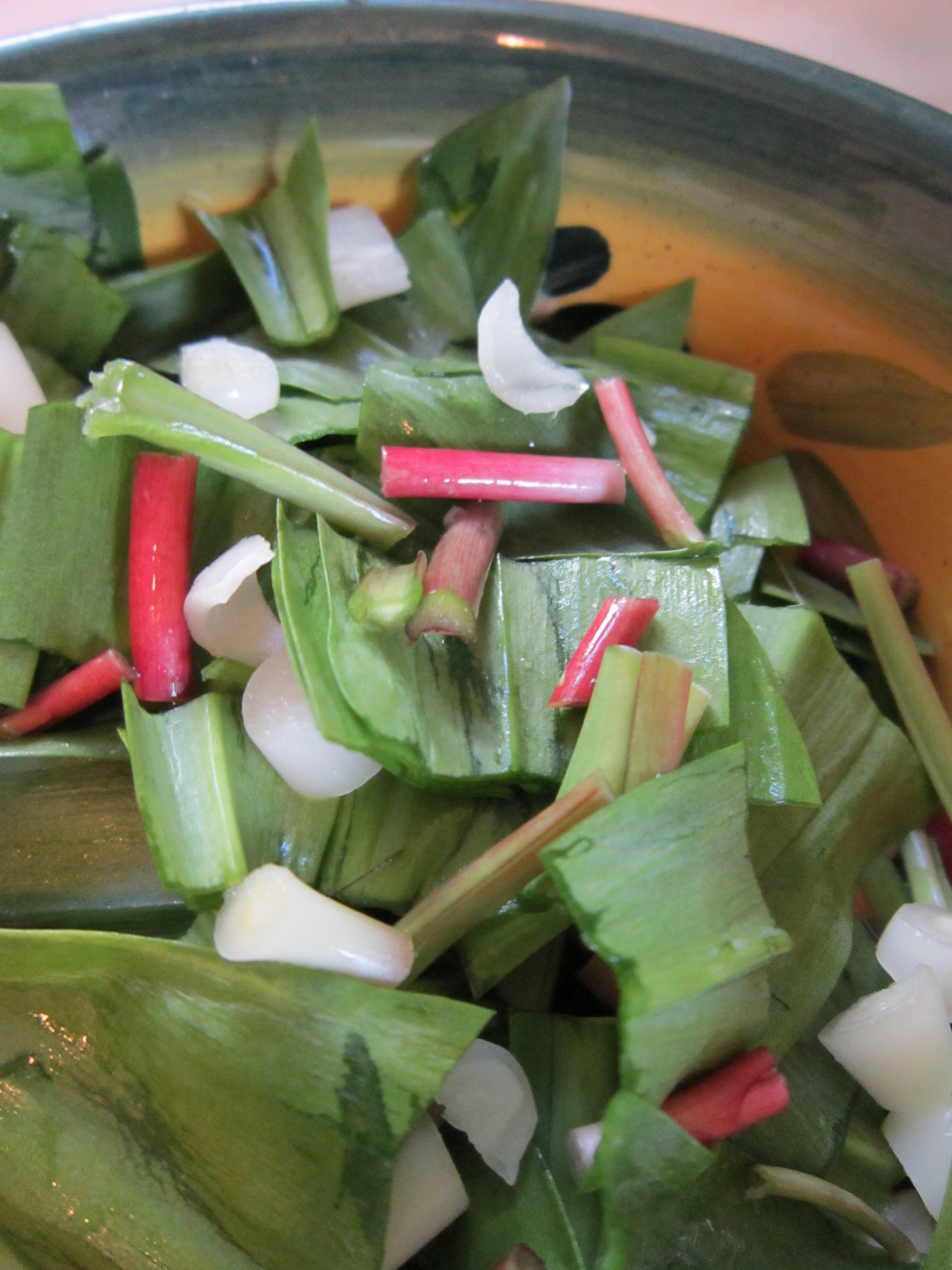
Chopped ramps
Then you’ll need to pull off the oregano leaves and tightly fill a cup.
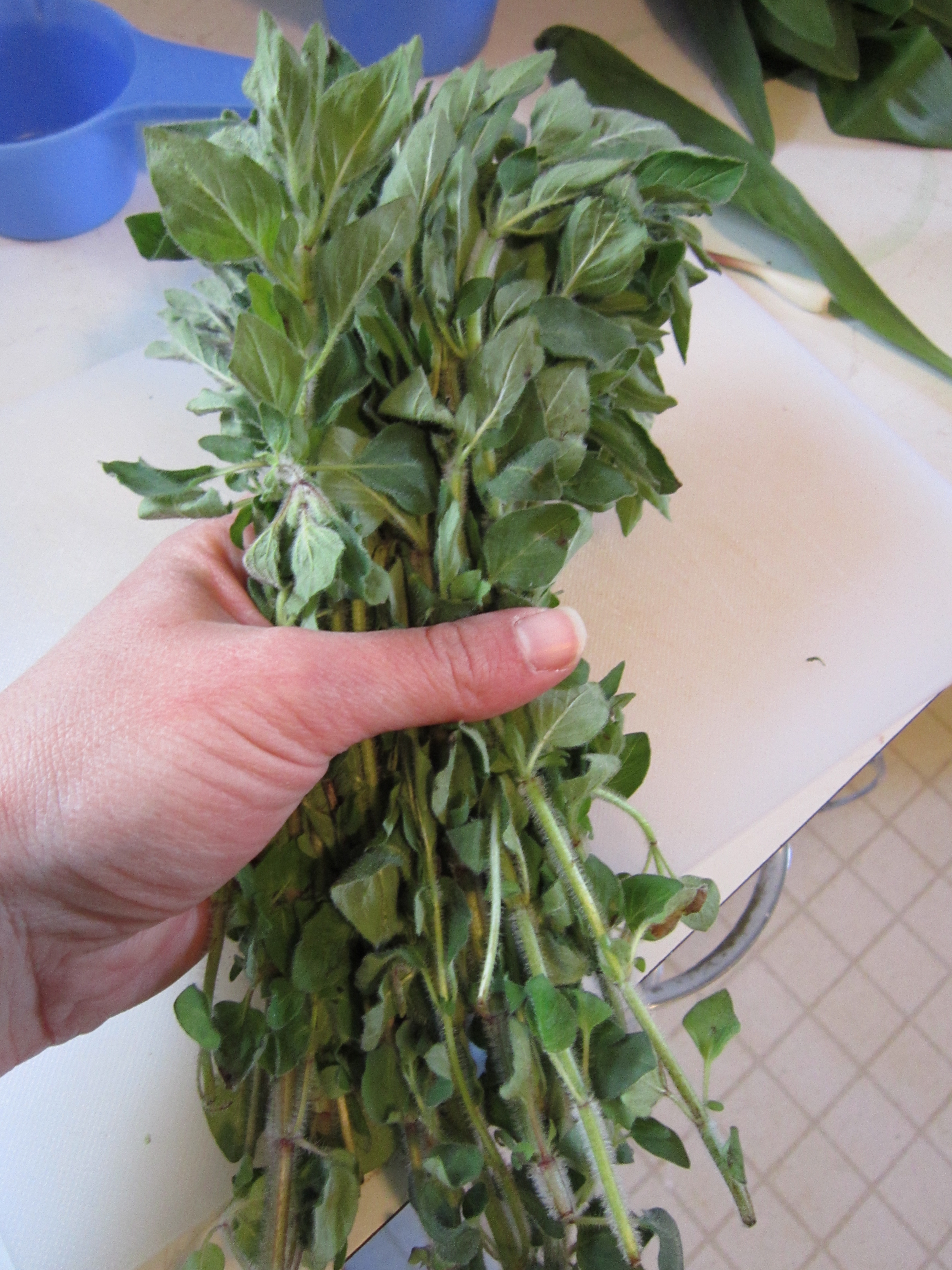
Bunch of oregano.
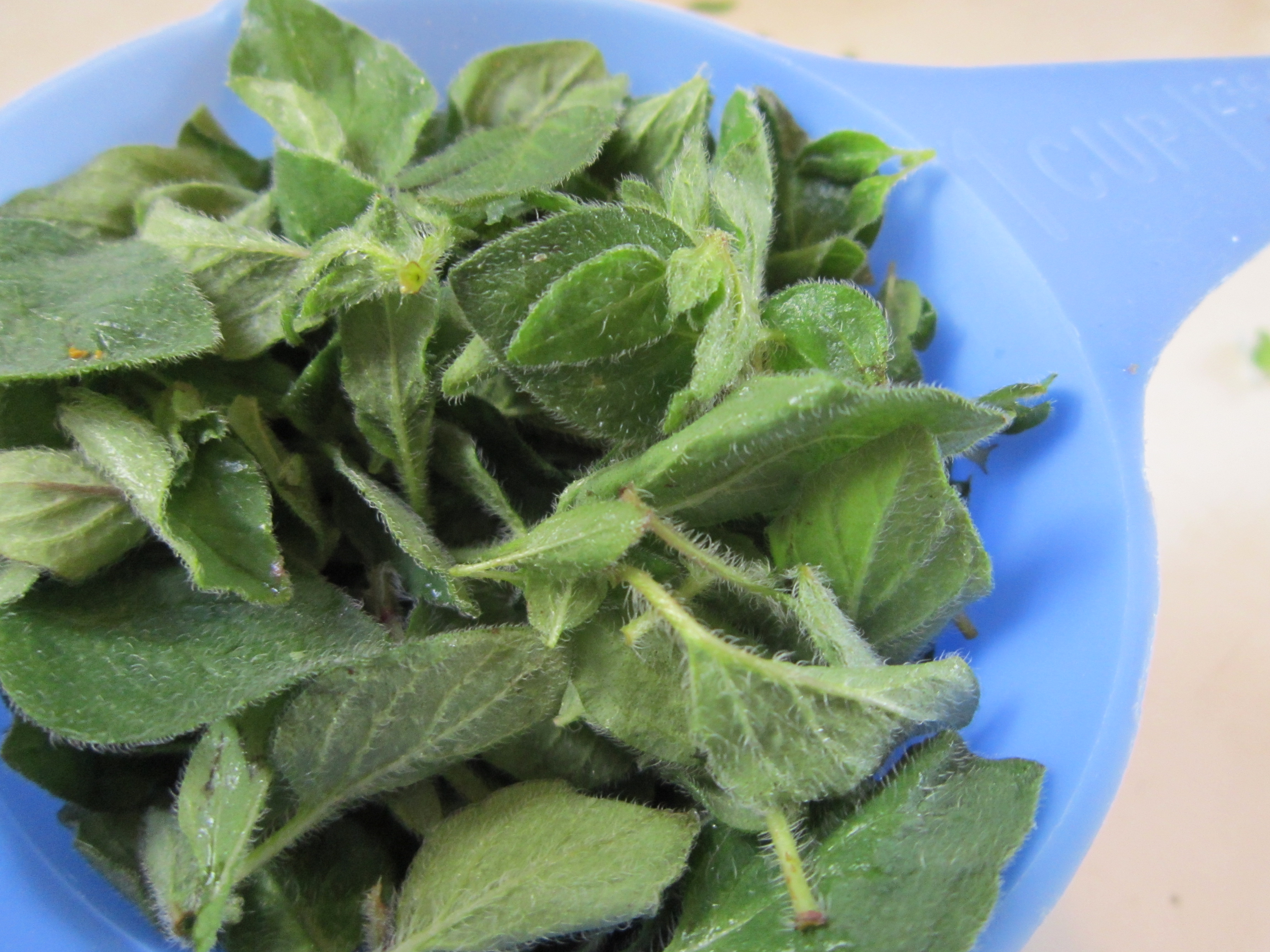
1 Packed cup of Oregano.
Measure out a heaping 1/4 cup of nuts and toast them. Pine nuts need to be toasted for about 5 minutes.
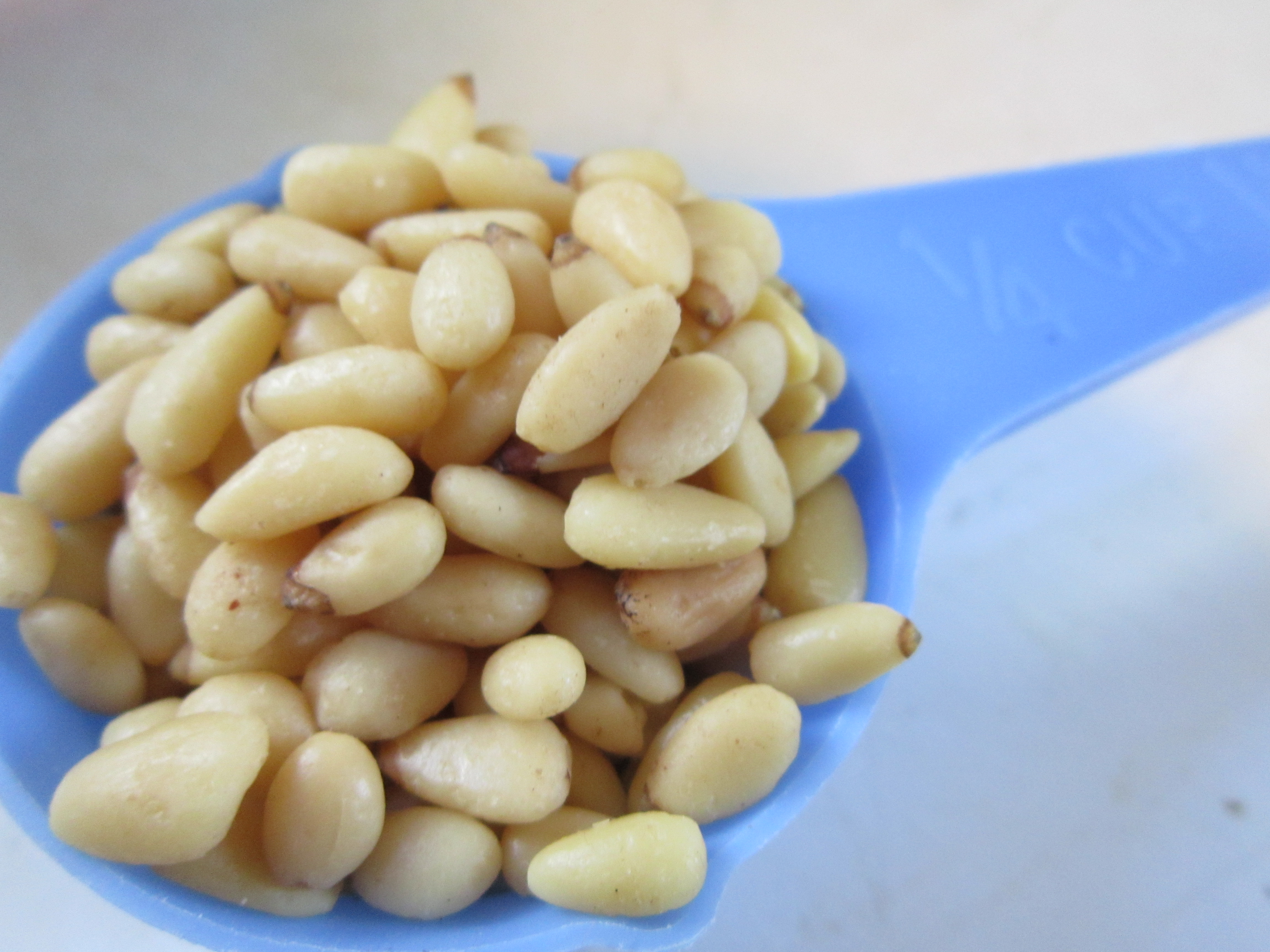
Heaping 1/4 cup of pine nuts.
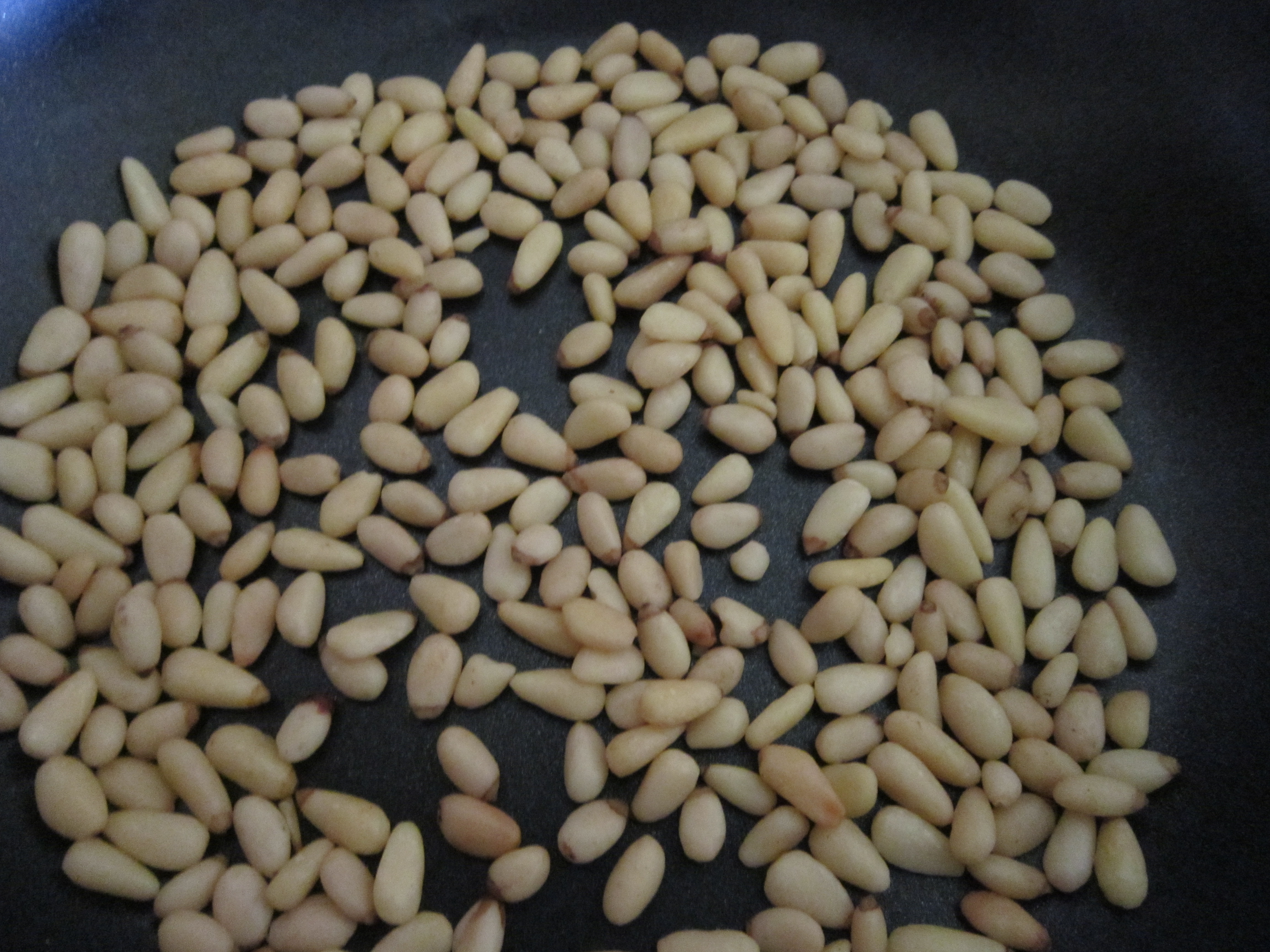
Toasting pine nuts.
Add these ingredients plus the olive oil and cheese in a blender or food processor, and mix it all together! But don’t go for too long because it’s best to still have some texture in the pesto.
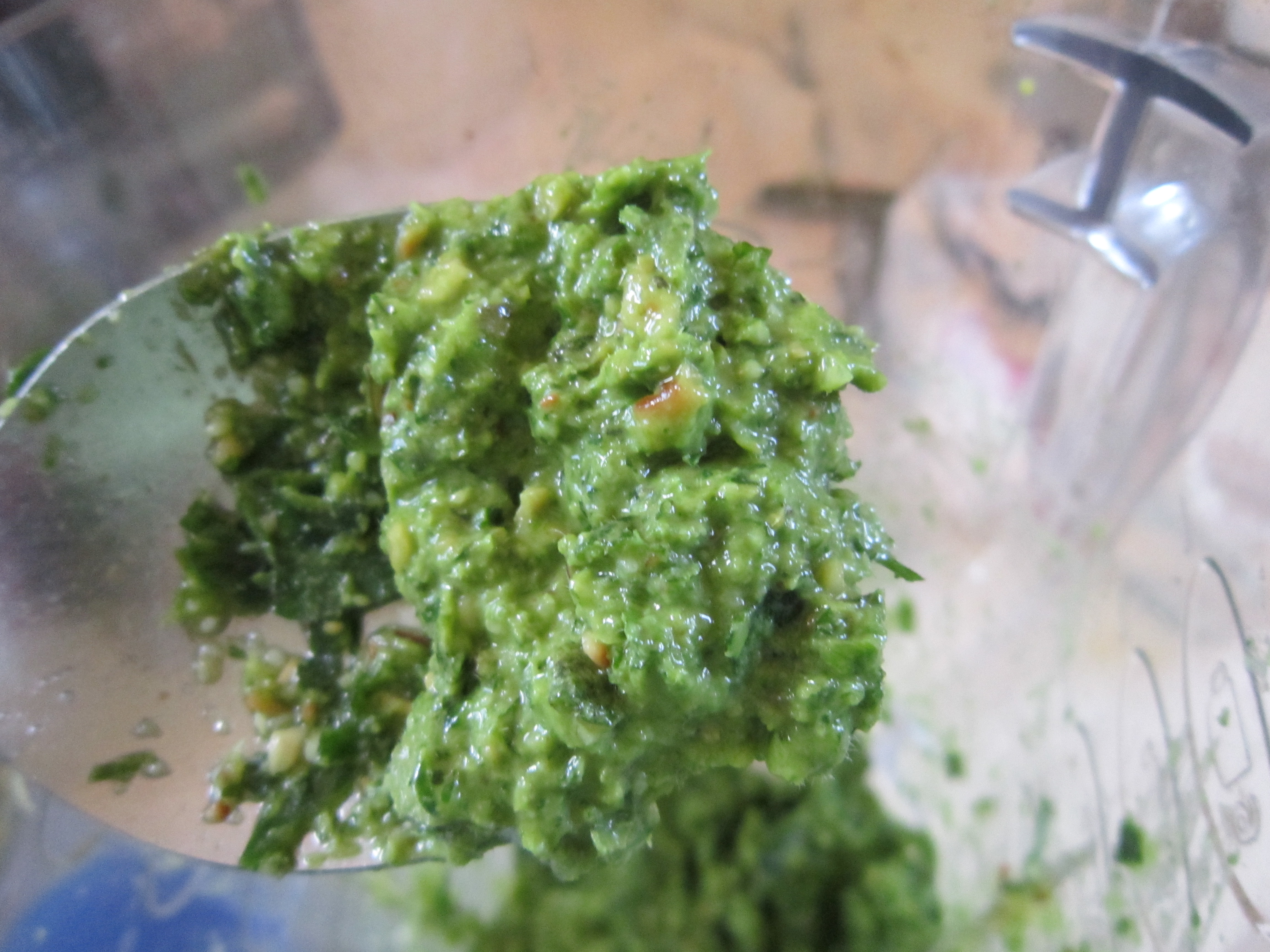
Pesto!
And then you can use this anywhere you desire an intensely awesome pesto! I tossed some of mine in a bit of tri-color pasta. Mmm. Depending on how much pesto you use at a time, I’d say this makes about 5 or 6 servings. It’s about 1 cup of finished pesto product (I have a lot leftover and even was able to freeze some).
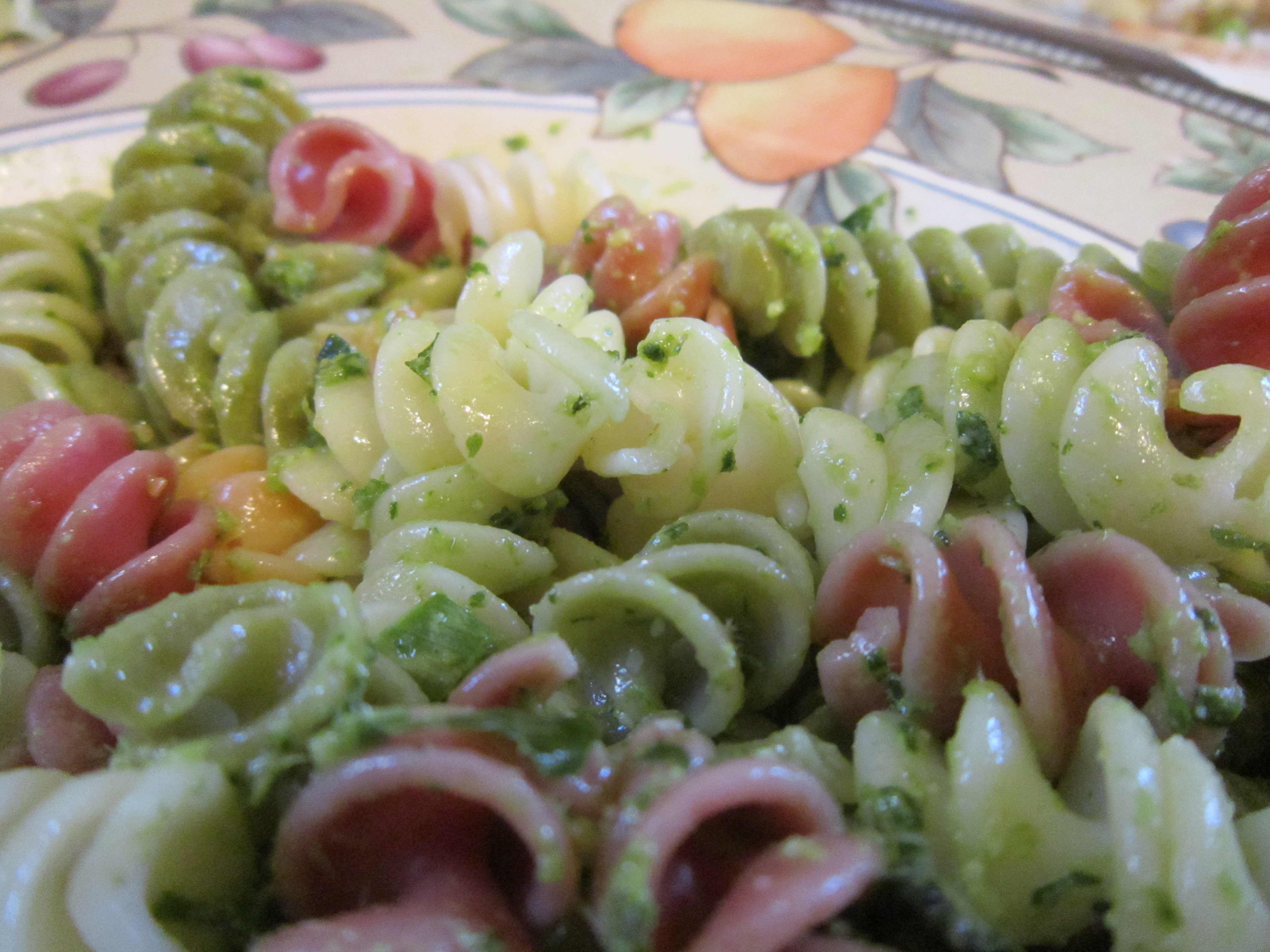
Pesto Pasta
My only warning is that it is a bit strong. You can’t really give me too much onion/garlic, but if you’re sensitive to that taste, you may want to skip this recipe, or leave out some of the white bulbs of the ramps and focus on the green parts.
Also, I have to share that my salads are becoming increasingly exciting as the Spring picks up! This 100% local side salad included lettuce, radish, mushroom, carrot, and cheese (not yet grated for this picture) all gathered from the farmers’ market. Perfection!
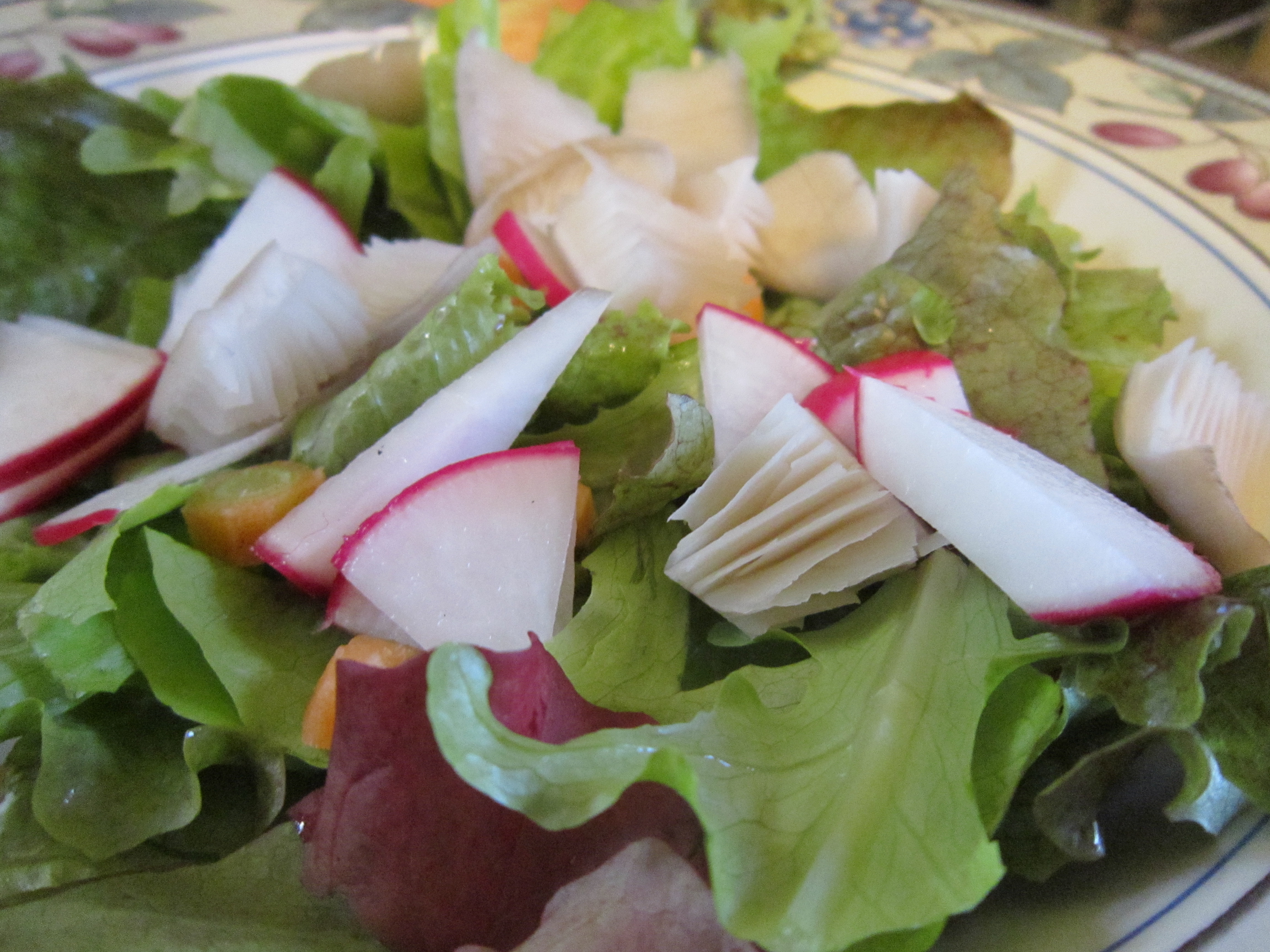
Spring salad.

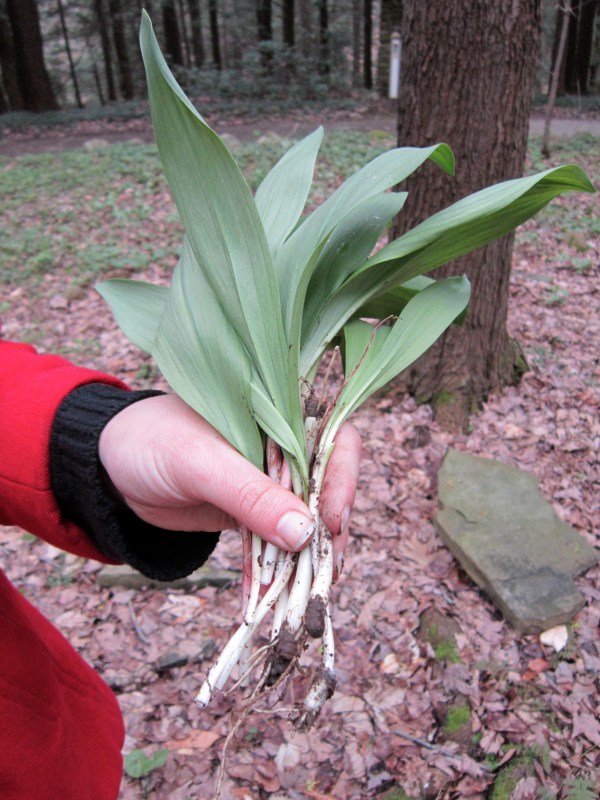
Yesterday, a hike through one of my favorite places to be in nature revealed several gifts.
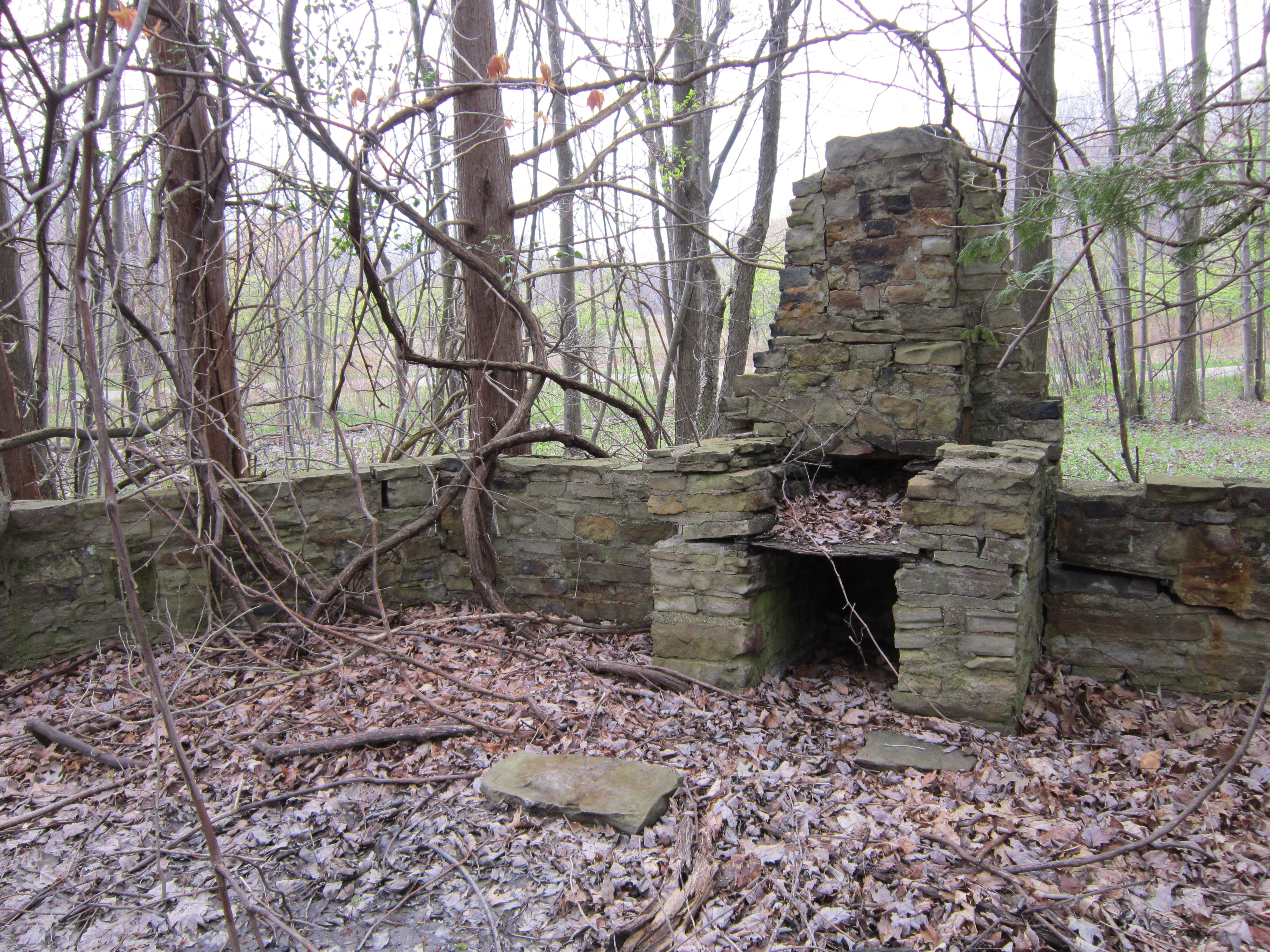
First, was a reminder of impermanence. Everything is always changing and it is best not to become attached to any objects, people, or situations. Strive to find happiness in each moment.
Everything will return to the Earth in time.
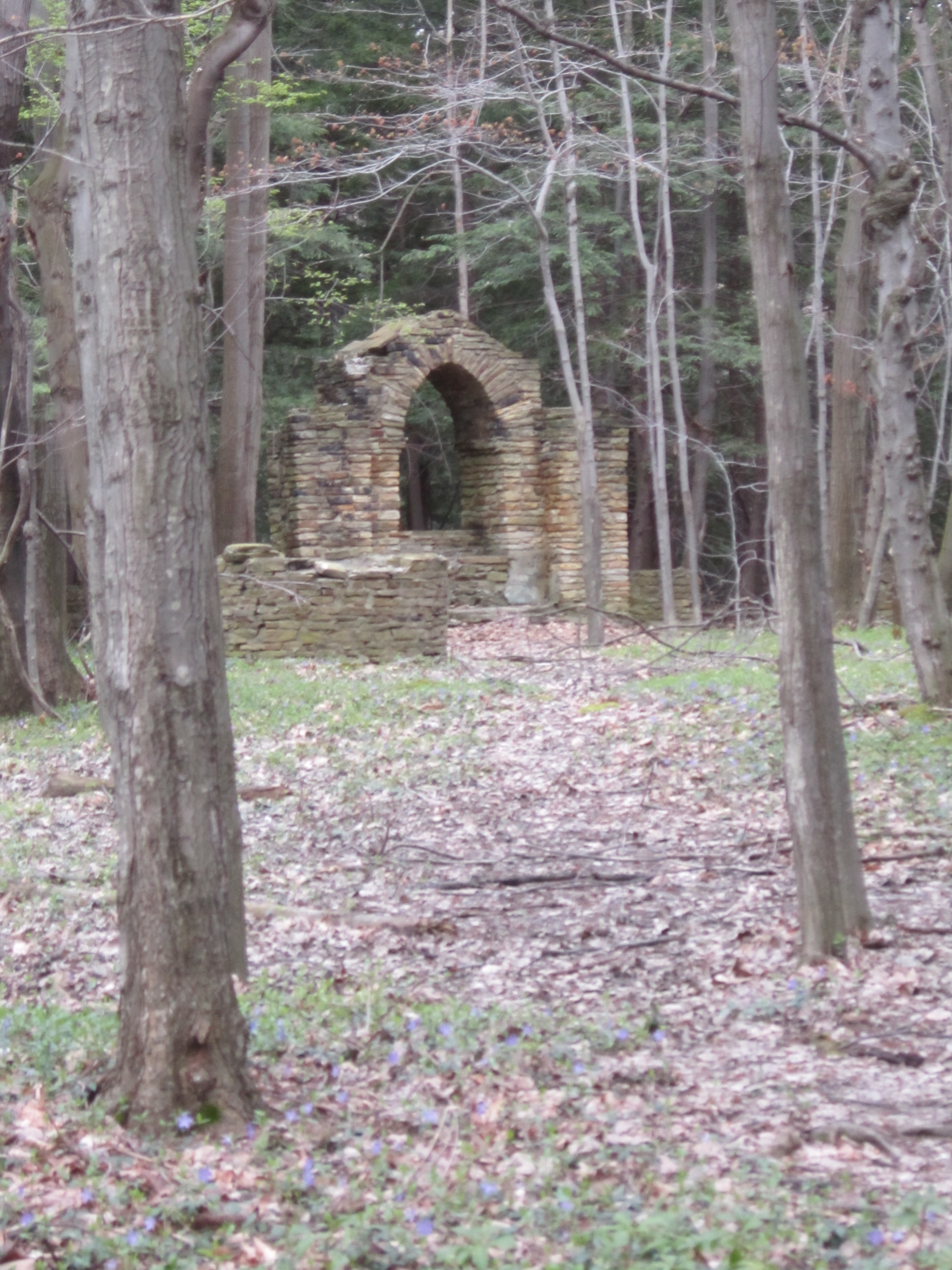
Second was a gift of free nourishment! We found wild ramps (Allium tricoccum), a perennial wild onion.
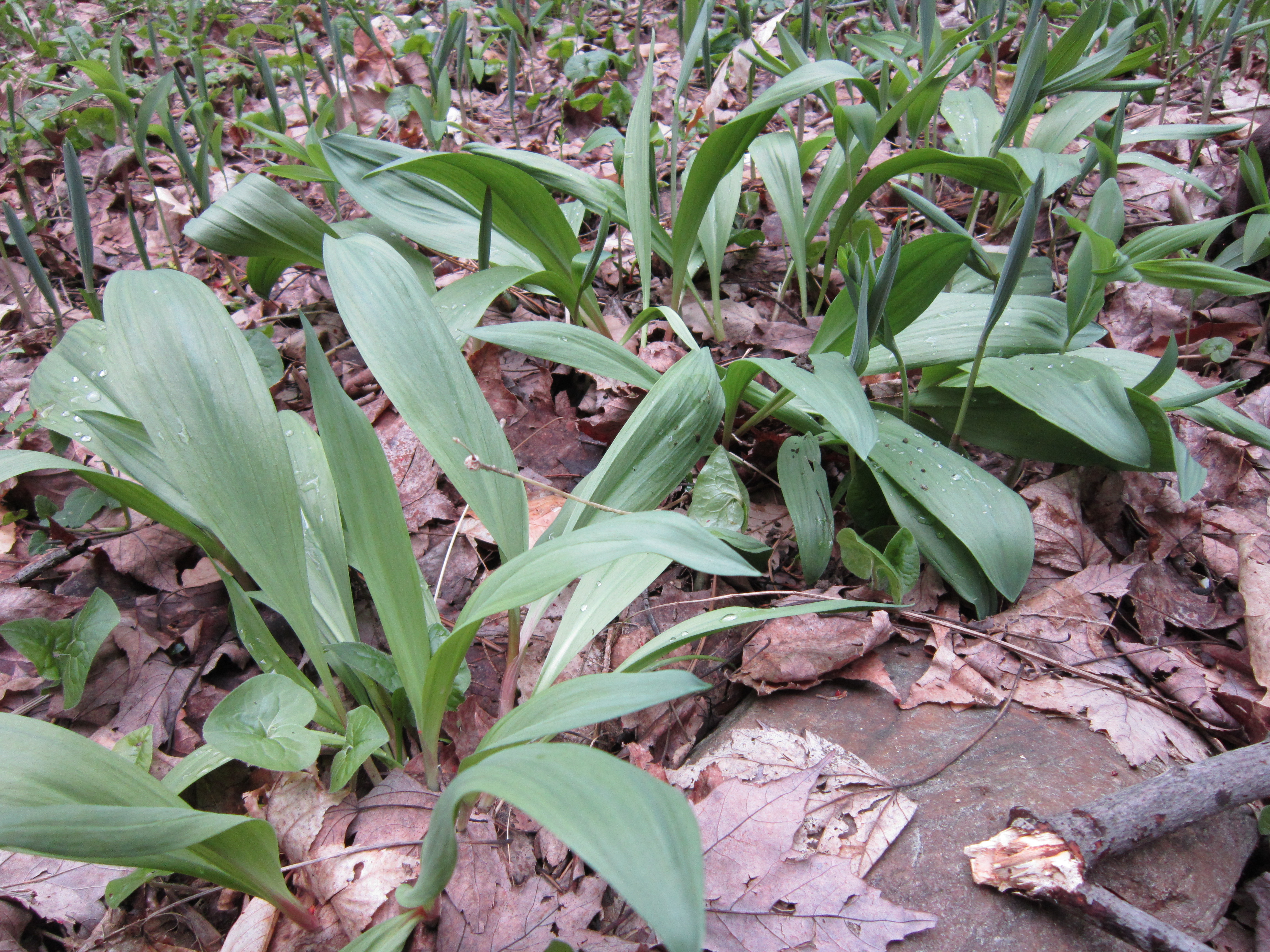
Patch of ramps
When you get closer, you can tell they’re ramps by the slight reddish-purple color where they meet the ground. And when you pull them, you’ll know they’re ramps by their characteristically onion smell.
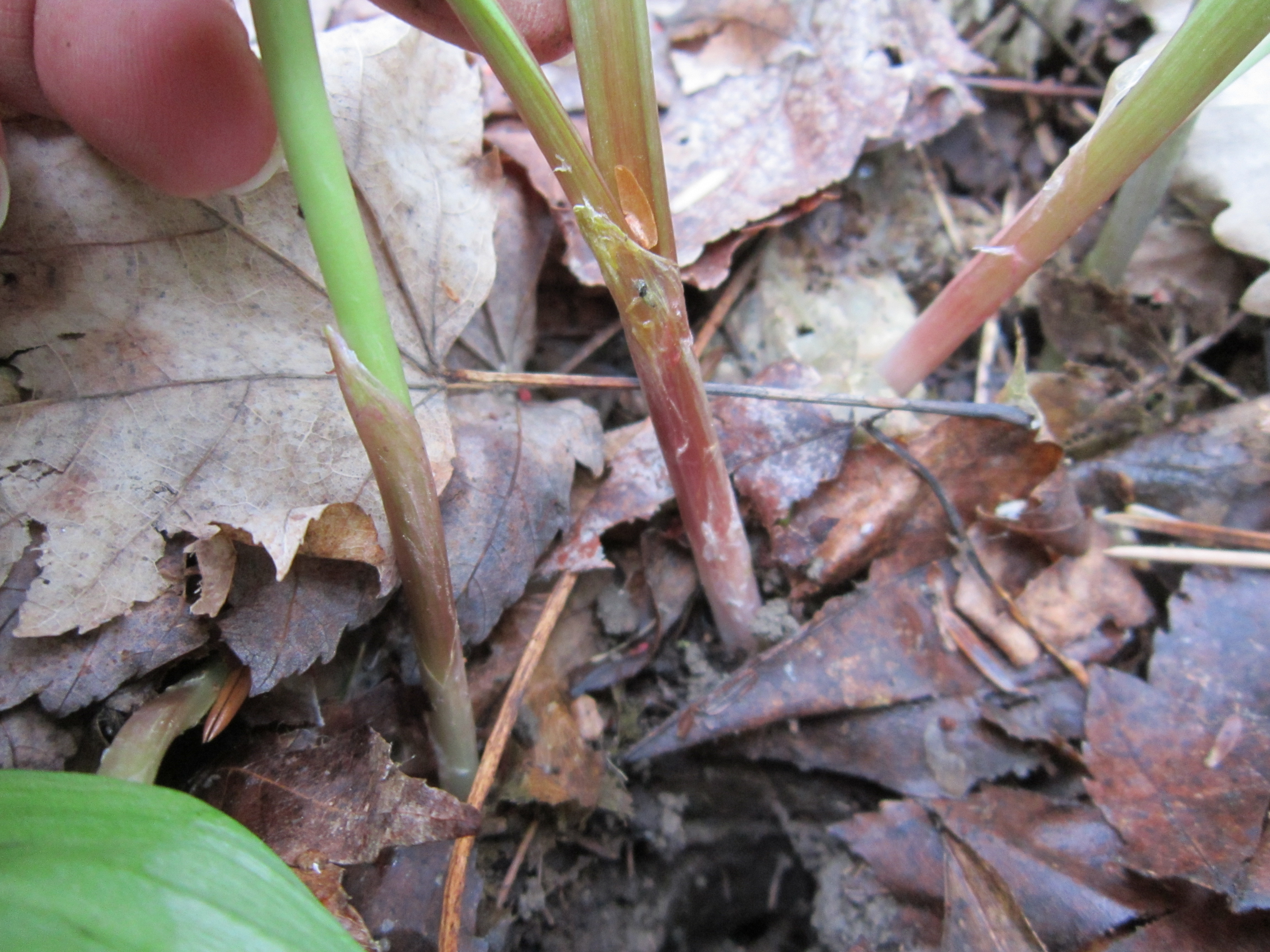
Reddish-purple: yup, ramps!
I harvested several. It’s important that we’re not greedy when wild harvesting things so that we (and other creatures who depend on them) will have these foods in the future. Always leave many more plants than were harvested (some suggest harvesting every 4th ramp). Another idea is to just pull the ramp up from where it meets the ground — you’ll still get some of the onion, but the bulb will be left to grow again. Or even consider being regenerative with the onions and if you take some bulbs, use a few to start a new patch elsewhere.
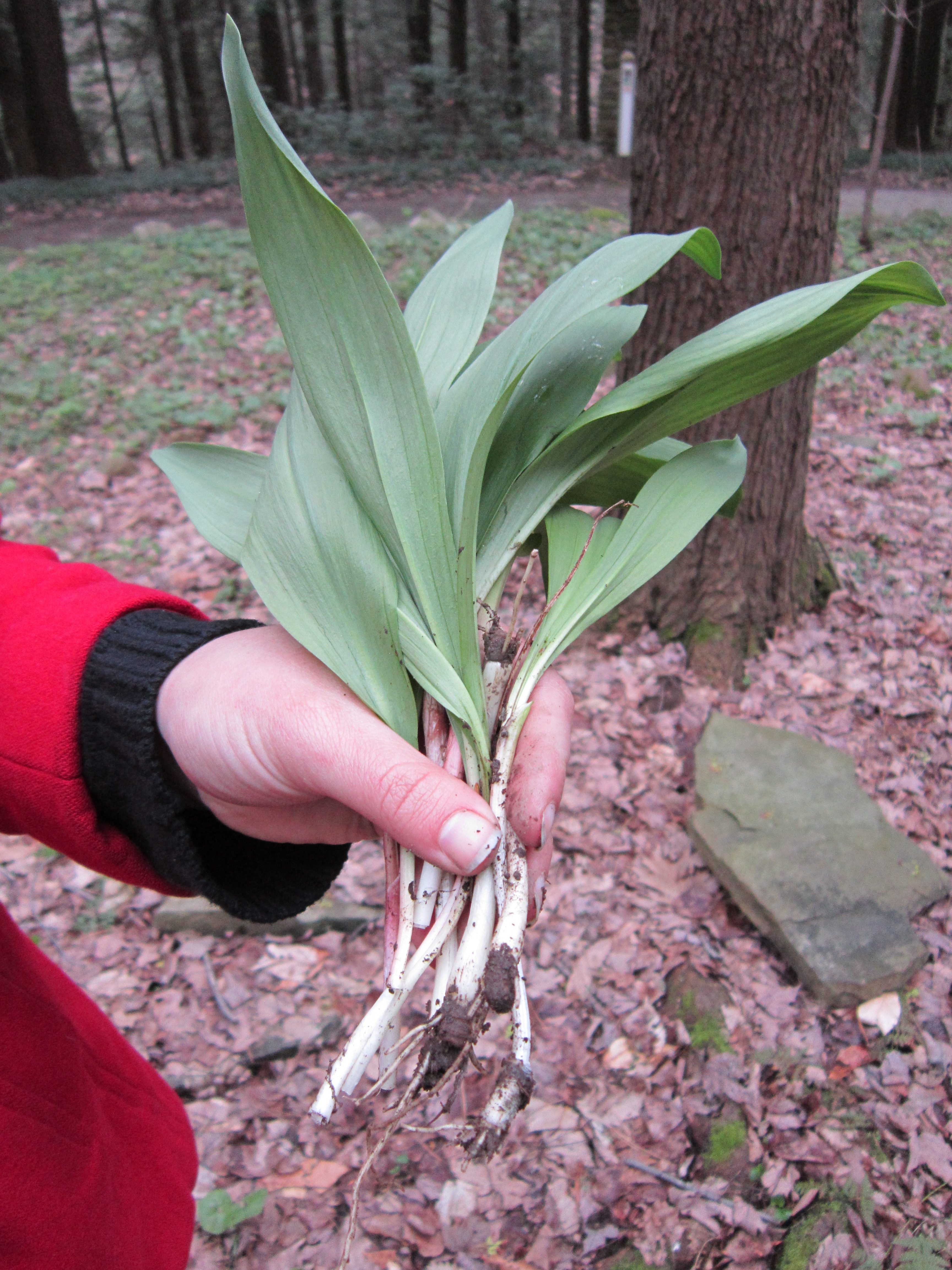
Ramps for me; ramps for free
Ramps have sulfur compounds that are detoxifying for your body — try some today!
Also, did anyone else participate in this year’s Earth Hour?
It’s a fun way to show support for the Earth, be reminded of how much we depend on electricity, and to unplug for awhile! The camera-flash makes it look bright, but we had fun with candles as our only light for over an hour. I’d like to do this more often!
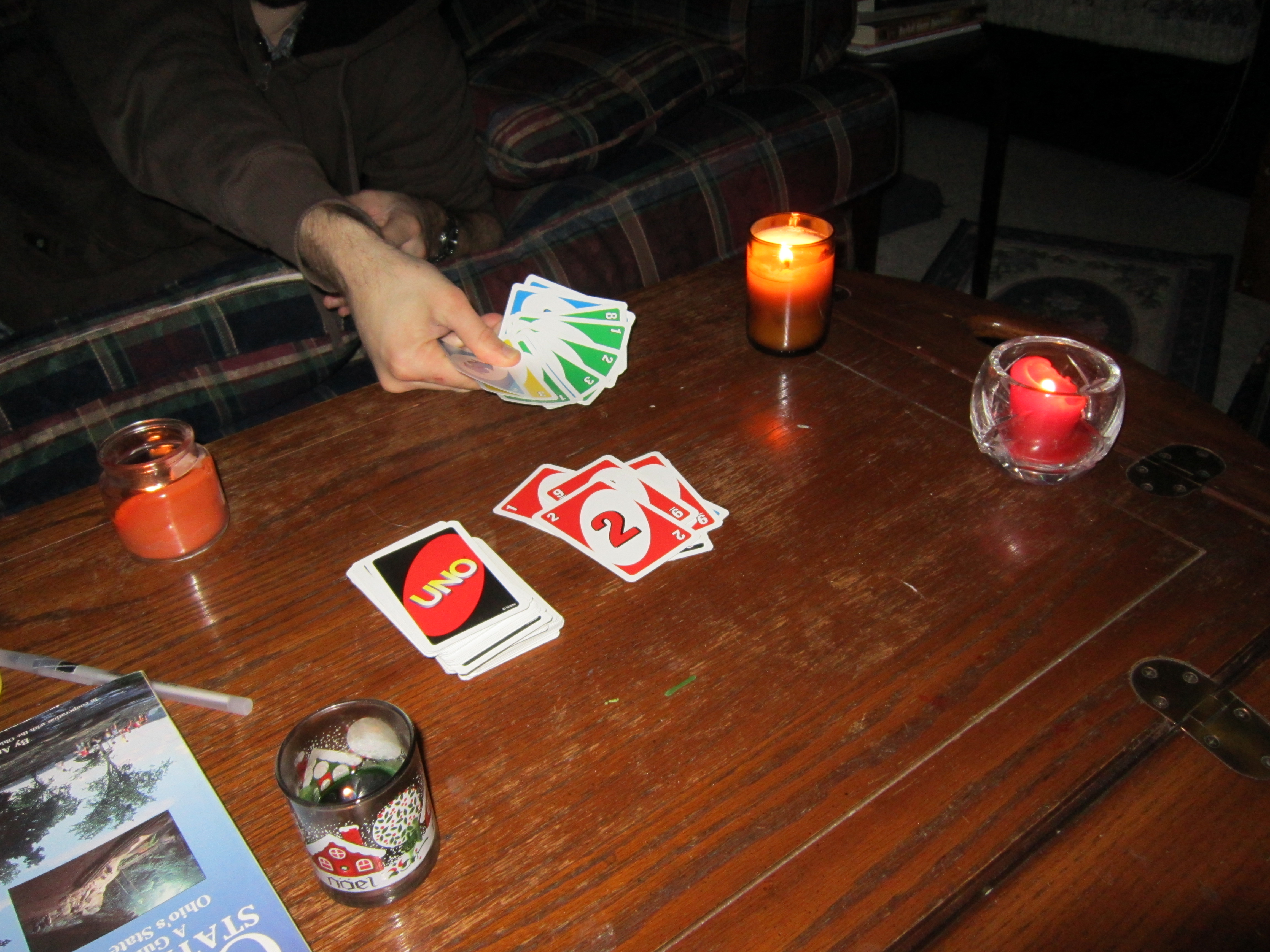
Candlelight night!


…for allowing me to feel the joy of a Spring day detour to purchase wine for the evening on the way home from work.
See? Living sustainably can be fun, too!
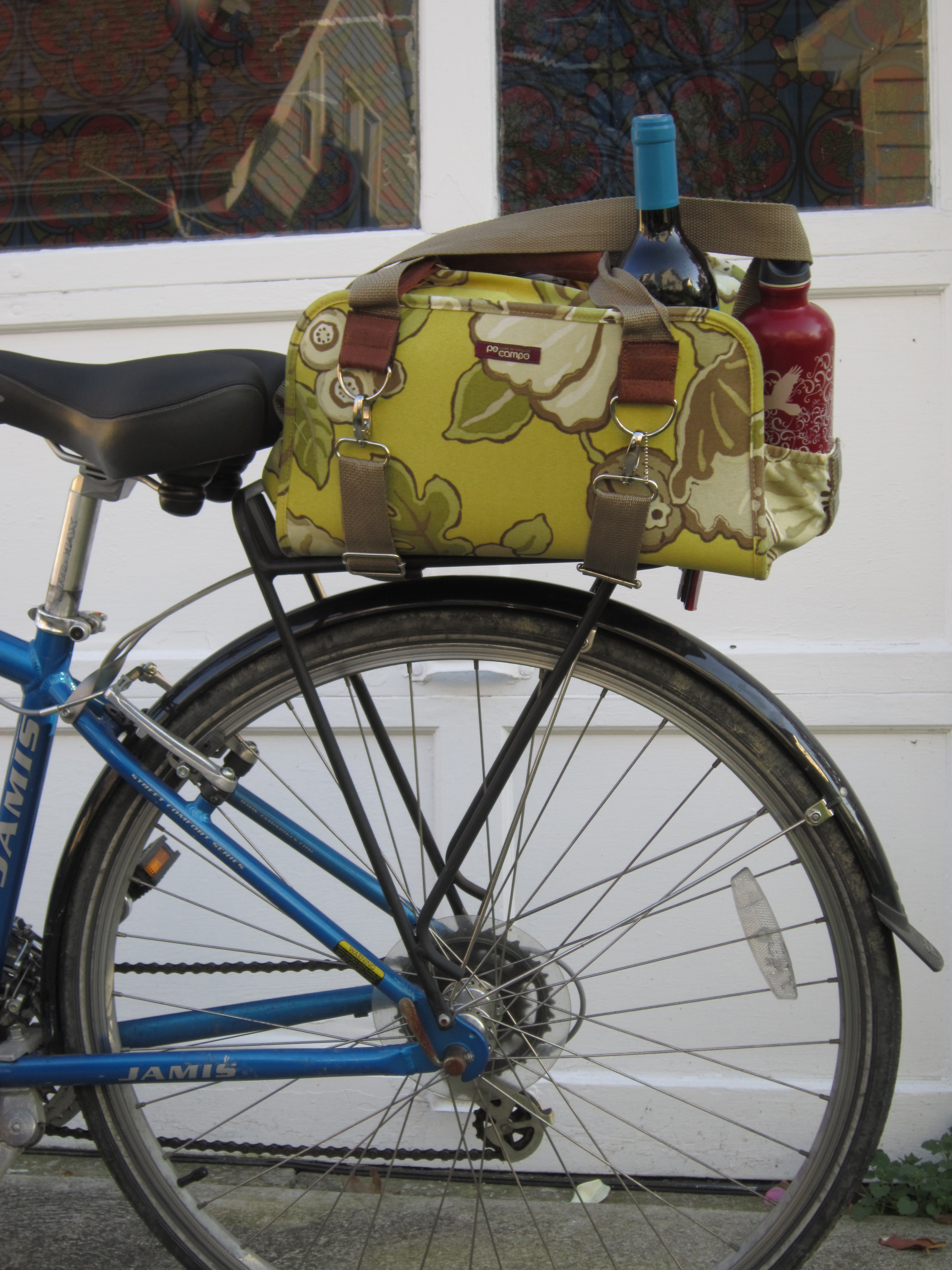
Now if only there was a local urban winery to complete this lovely feeling I have…
There’s an idea!
(And thanks Po Campo for the hip bag!)

Regardless of what you like to call it, today is the Spring Equinox in the Northern hemisphere and we have again returned to a time where day and night are equal. This time, daylight will win and we will continue to experience more light until the summer solstice returns.
 Following the wheel of the year and the turn of the seasons is one of the best ways to connect with nature and to feel a greater sense of being a part of the all that is. I find it especially whimsical and meaningful to think of my ancestors and other nature-based cultures of the past who would have felt this day on an extremely intimate level. This balance between night and day means that winter is officially over and that soon food will be plentiful again — this is literally a time to be thankful that life can continue on. I think we still feel a part of this as we open our windows, spend more time outdoors noticing flowers, and feel a sense of renewed energy in our lives. The return of the Spring season still represents a time of renewal, rebirth, and fertility.
Luckily, even the idea of taking time to celebrate a day like Ostara isn’t all that foreign to most of us — the concept of rebirth and fertility as symbolized by eggs and rabbits appears in other holidays around this time of year (hello, Easter!).
Whether you celebrate it now, or in a few weeks at Easter, take a few moments to think of how and why these holidays began and how intimately humans have always depended on the Earth for our survival.
Usually, Ostara is a time where I’m just starting to feel like Spring might come again. This year has been a little different and Spring is in full force. Here are some Spring-things that I’ve noticed over the past few days…
The magnolia tree is back! I feel like I should just spend all of my time underneath this tree appreciating it while it’s in bloom. It comes and goes so quickly!
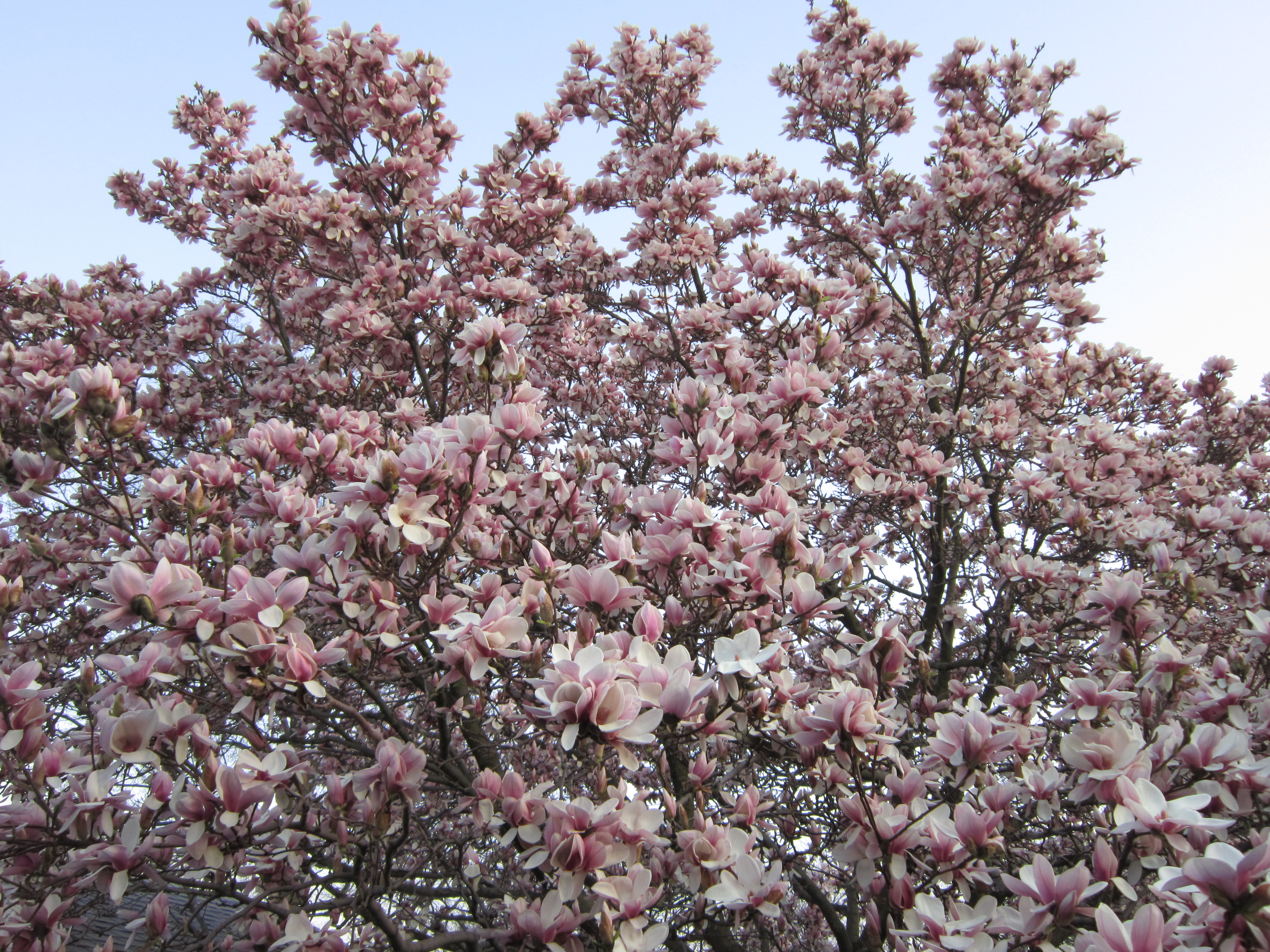
Magnolia tree 2012
Adding Spring “weeds” to my salads!
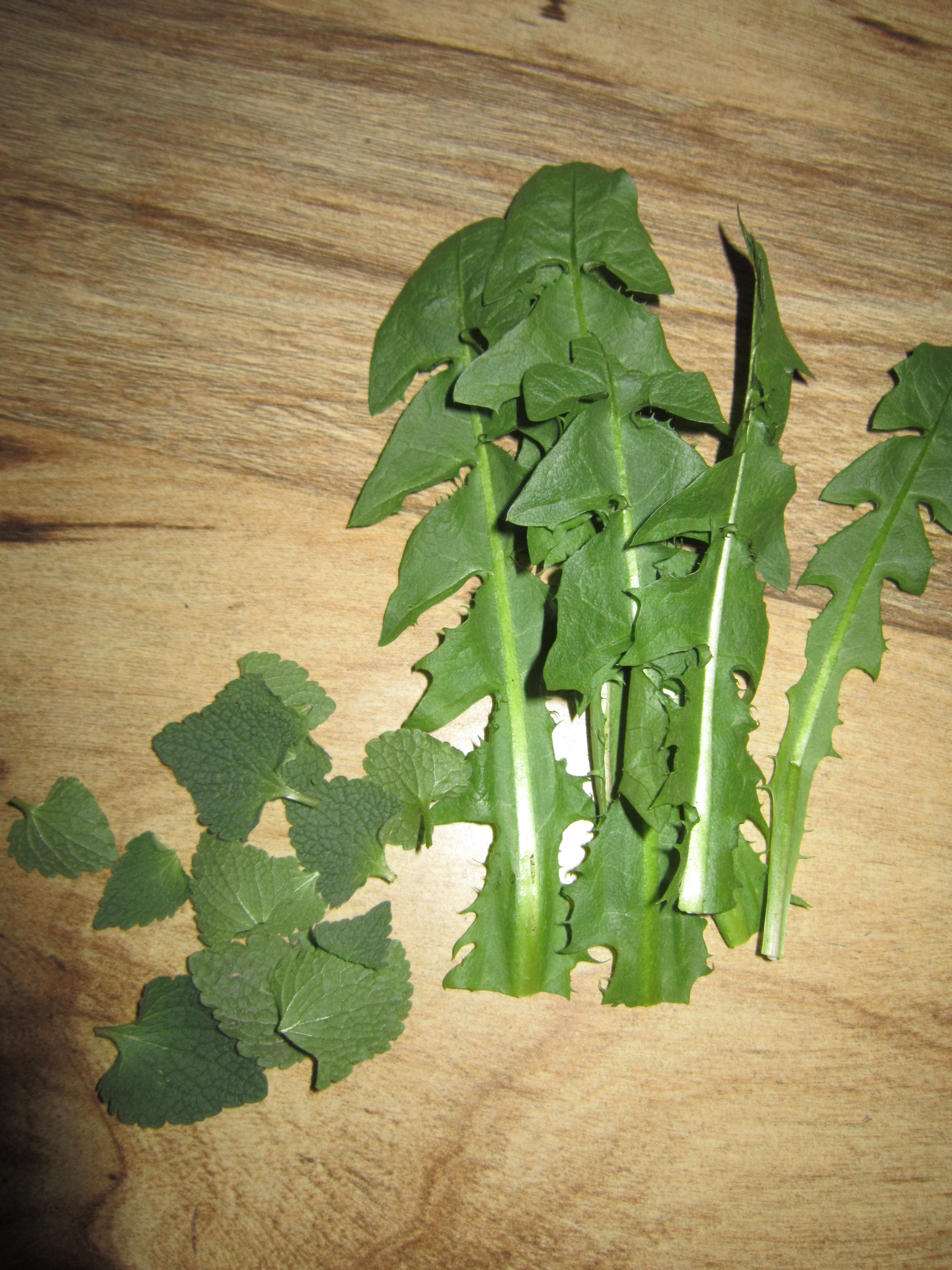
Purple dead nettle and dandelion
Blooming flowers in the yard…
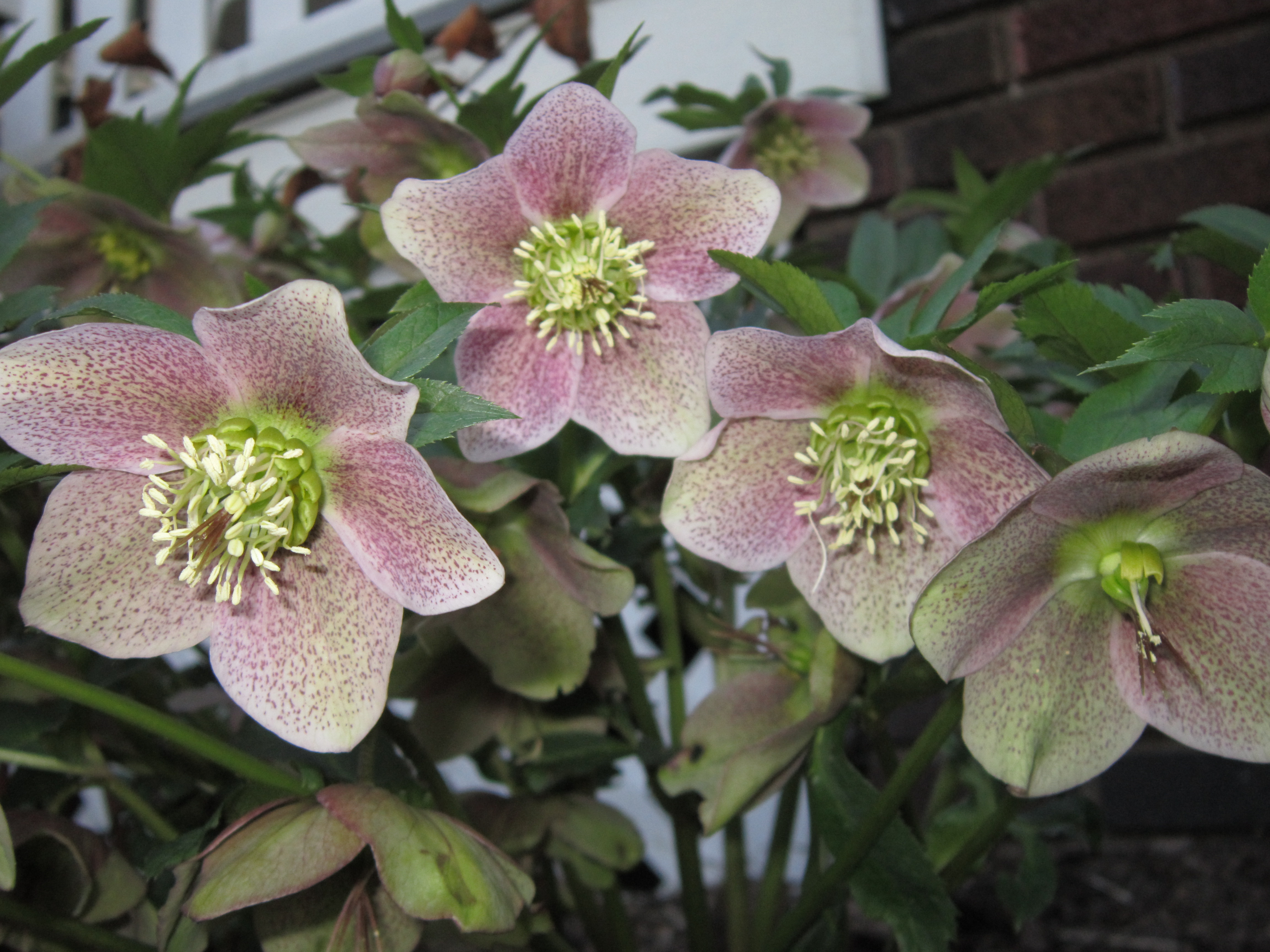
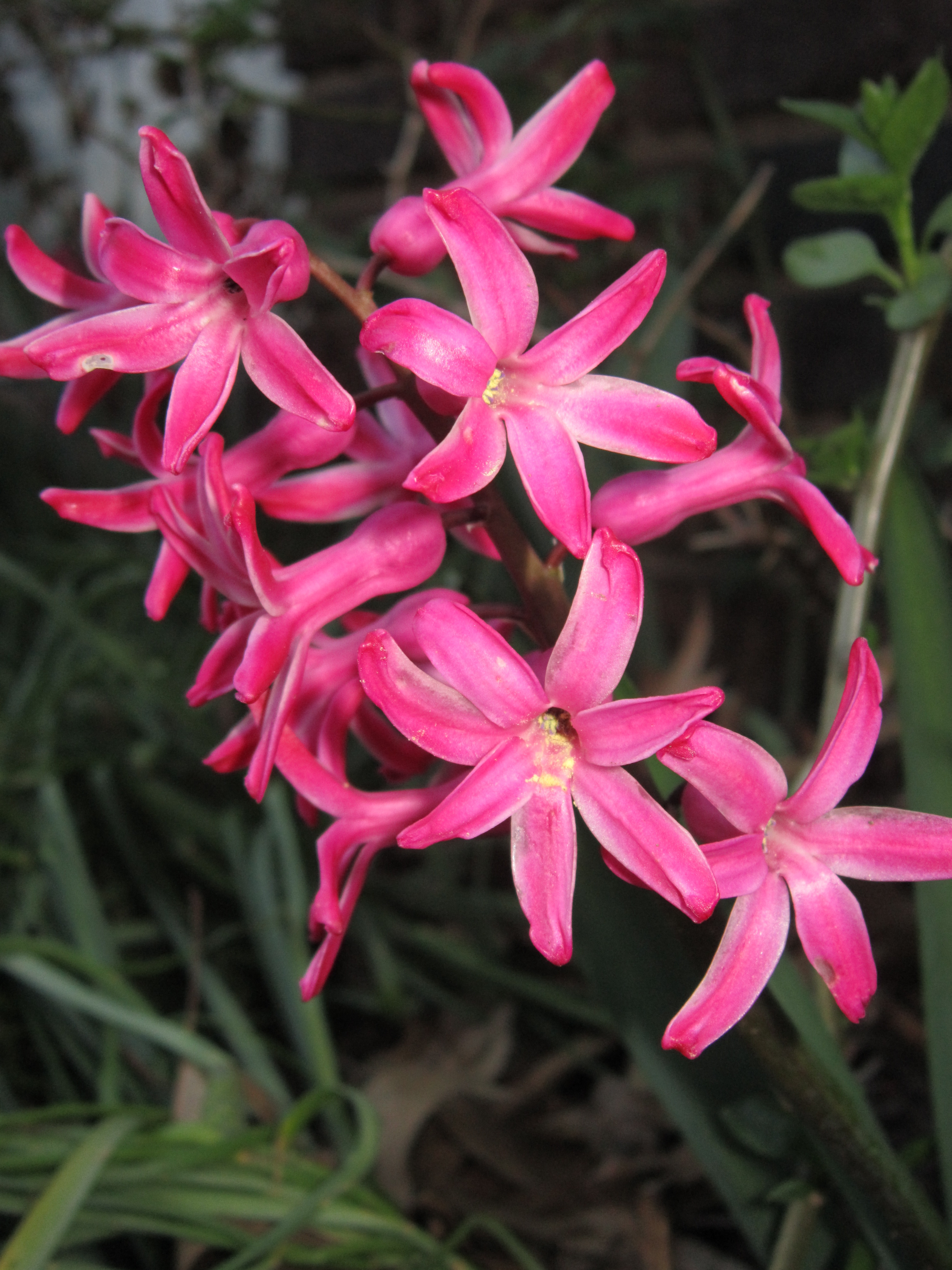
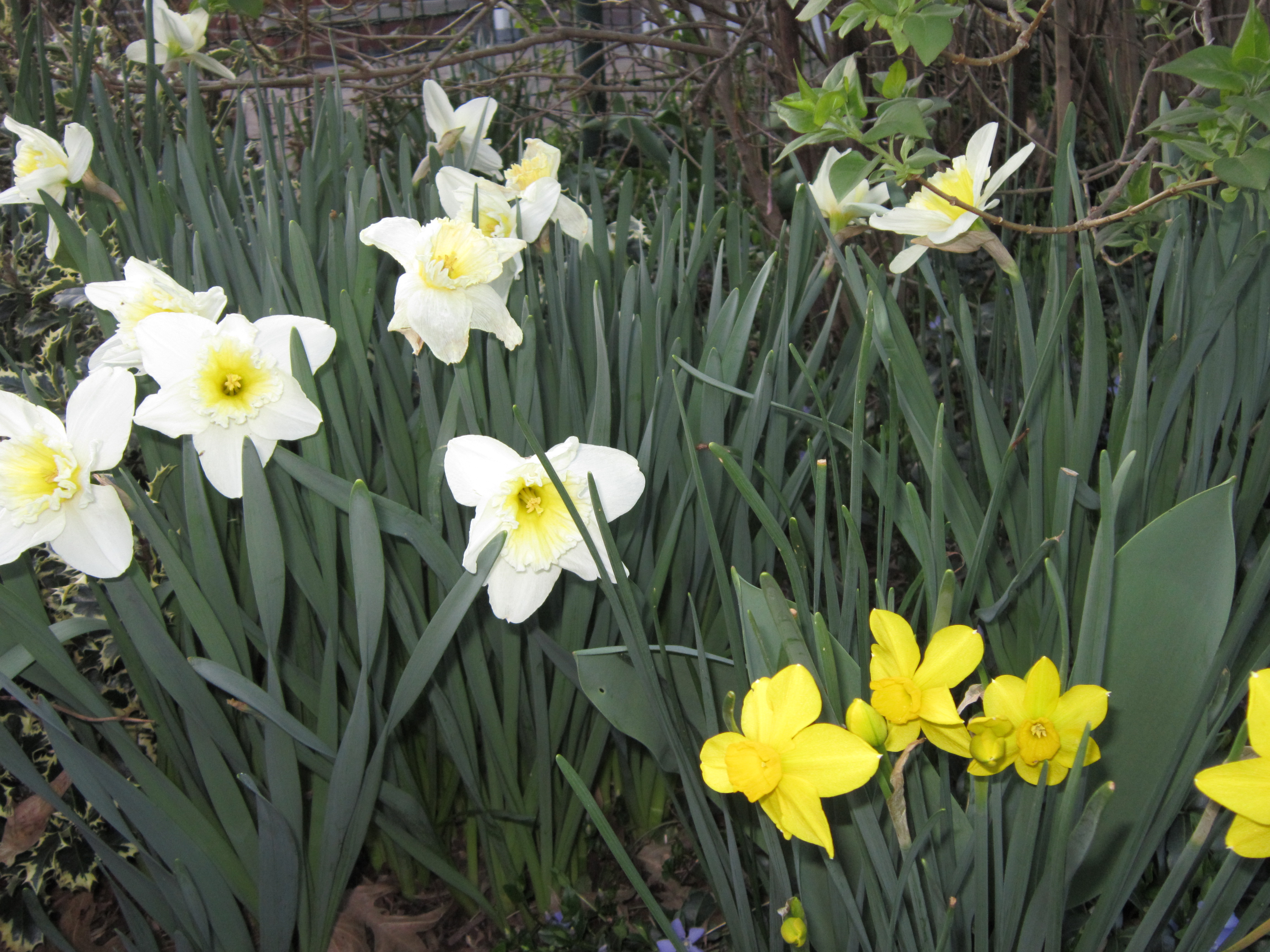
Windows open and Spring cleaning!
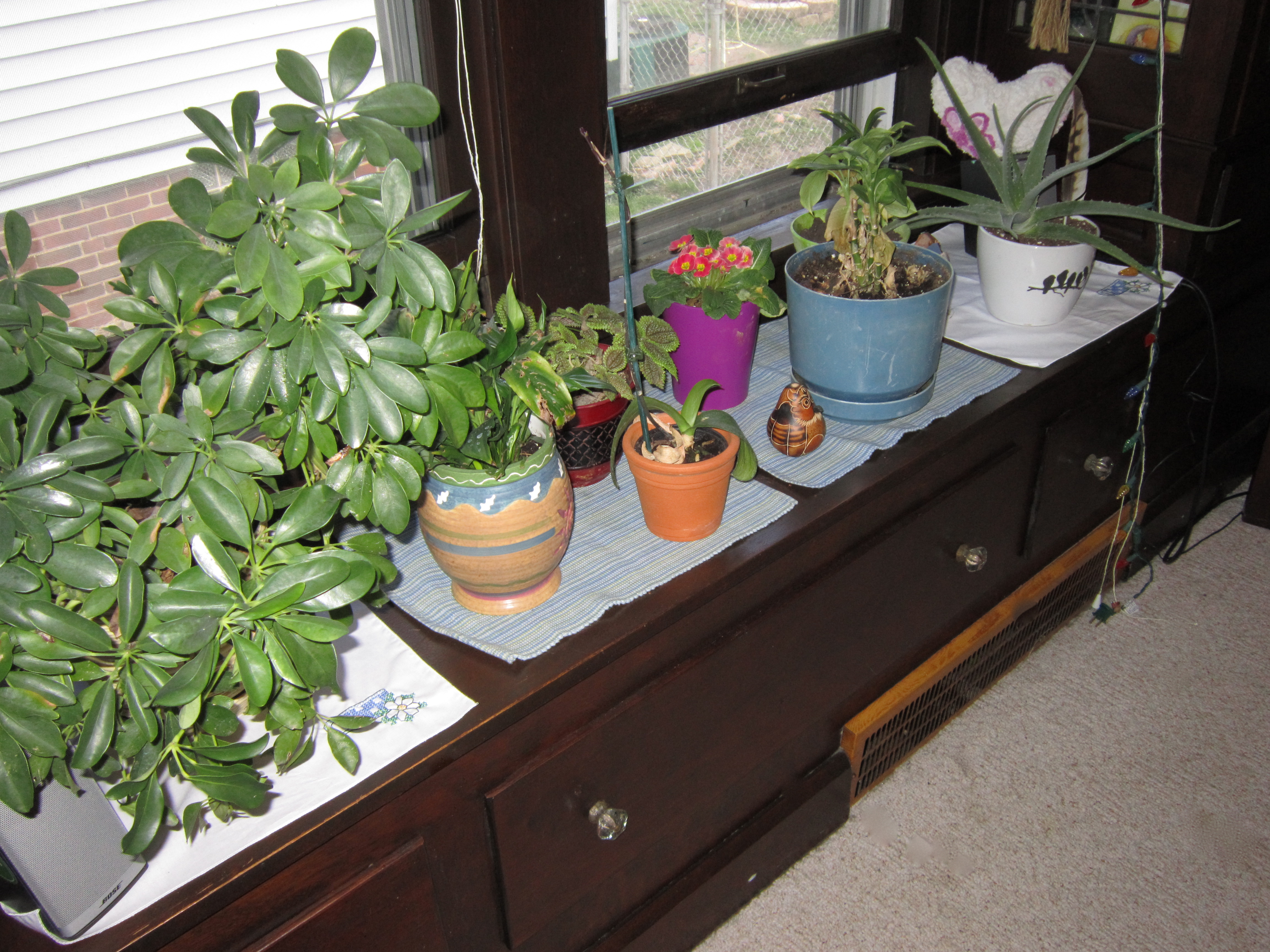
How are you celebrating Spring?
Shared on:


 These Light Footsteps