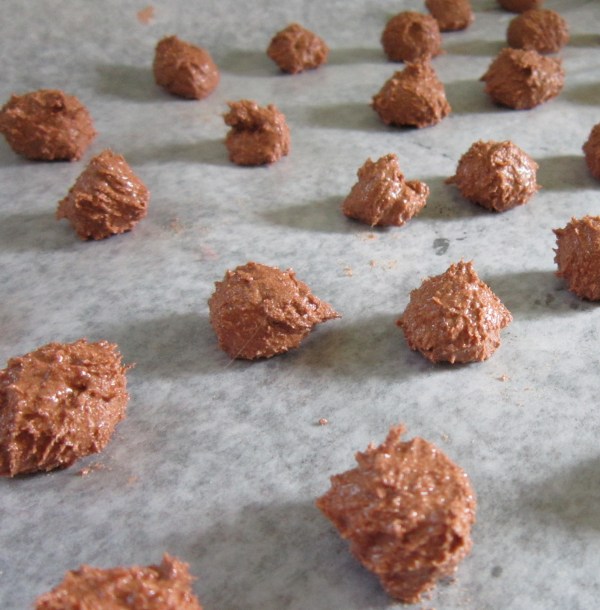
Slippery Elm Balls for Digestive Distress

Medicine doesn’t have to taste gross or be filled with ingredients that a normal human cannot pronounce (let alone comprehend where they came from!).  In fact, one of our first lines of medical help can be in the form of healing, all-natural products from plants we can identify outdoors that are made in our own kitchens with ingredients we trust.  This is herbal medicine. It is people’s medicine.

The following recipe is for a fun, easy to make, and even easier to eat herbal ball that helps to calm digestive issues.  Eat too much? Have heartburn? Feeling a general sense of malaise in your digestive region?  Give a slippery elm ball a try! Continue reading

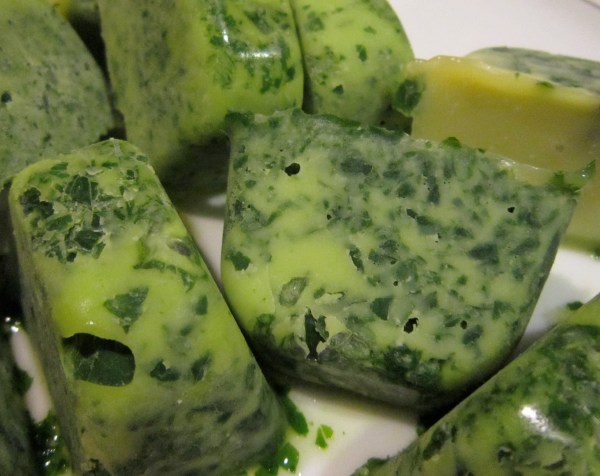
Herbal Ice Cubes

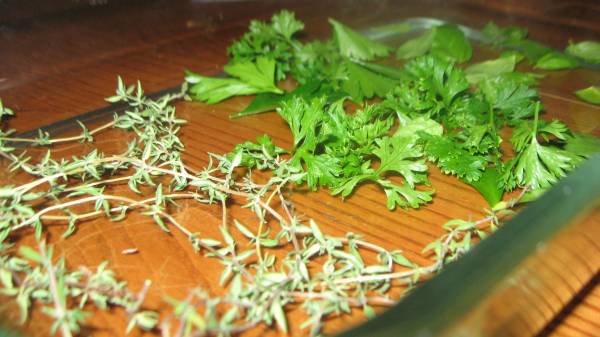
Hurry! Before the killing frosts come (if it’s not already too late)!  Try these herbal ice cubes as a way to preserve the last of your culinary herbs.   Continue reading

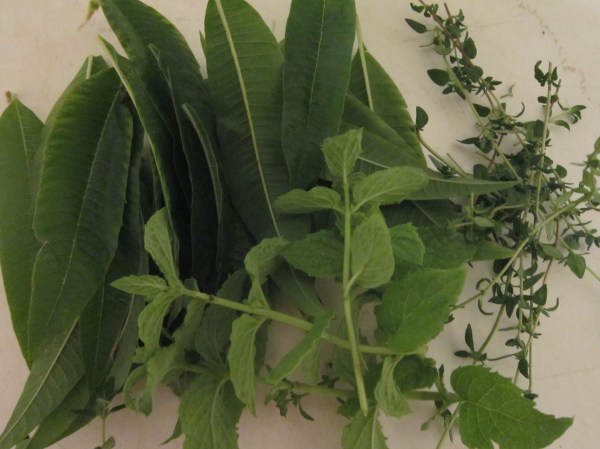
Lemon Verbena All-Purpose Cleaner

It’s the time of year for harvesting herbs — to dry, freeze, make into medicine, and for use in recipes.

Continue reading

Healing Plantain Salve

Awhile back, I posted about the medicinal benefits of the common “weed” plantain (Plantago spp.) and described the process of infusing it in olive oil.  (Read about it here!)  Continue reading

A Late Lammas Reflection

The peak of summer has crested and now it is time to ride out the remainder of these long days, grateful for the warmth and light as we head closer to Autumn.

Continue reading

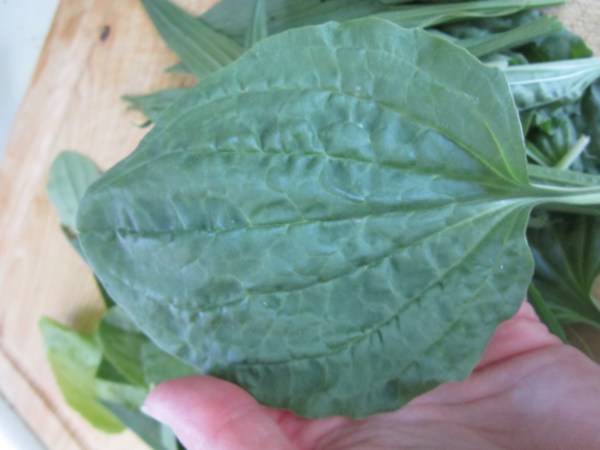
Learning to Love Weeds – Plantain

You’ve probably seen it growing in lawns, along the sidewalk, and in vacant lots, but have you ever realized how beneficial plantain can be?  (And no, we’re not talking about the banana-like fruit.)

Continue reading

Easy Solar Dehydration

At this point in the season there are a lot of fresh herbs and flowers to process.  Hanging them upside down in an area out of direct sunlight is one of the easiest methods to use, but it can take about a week (or more) to dry plants this way and there are some plants with a high water content that can be difficult to dry without molding.

Continue reading

Get Your Red Clover Before the Season’s Over

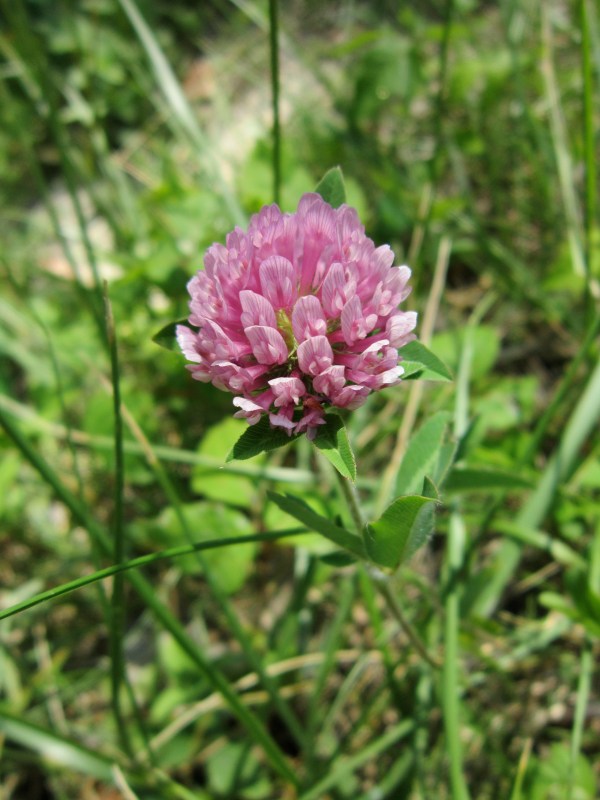
Ah, red clover. A versatile plant that helps with so many things — amusing young children in an attempt to find 4 leaves; food for grazing animals; medicine; and fixing nitrogen into the soil, to name a few.

Continue reading

Remember to Take Your Pine Needles for Good Health!

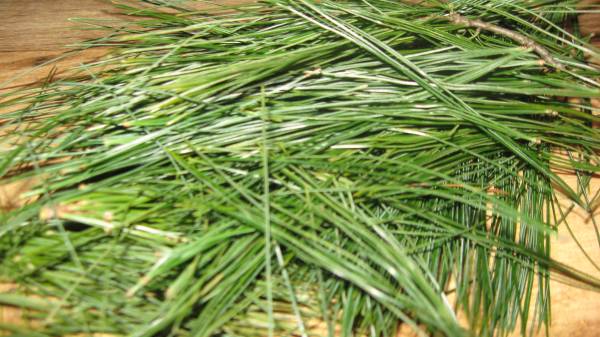
Did you know that pine needles can provide you with more vitamin C than orange juice? And that they can help to heal your body from respiratory ailments, colds, and the flu?

Some say that the Native Americans taught the early settlers about drinking pine needle tea to help prevent death from scurvy!

Pine needle tea is easy to make, but what are some other things that can be done with pine needles?

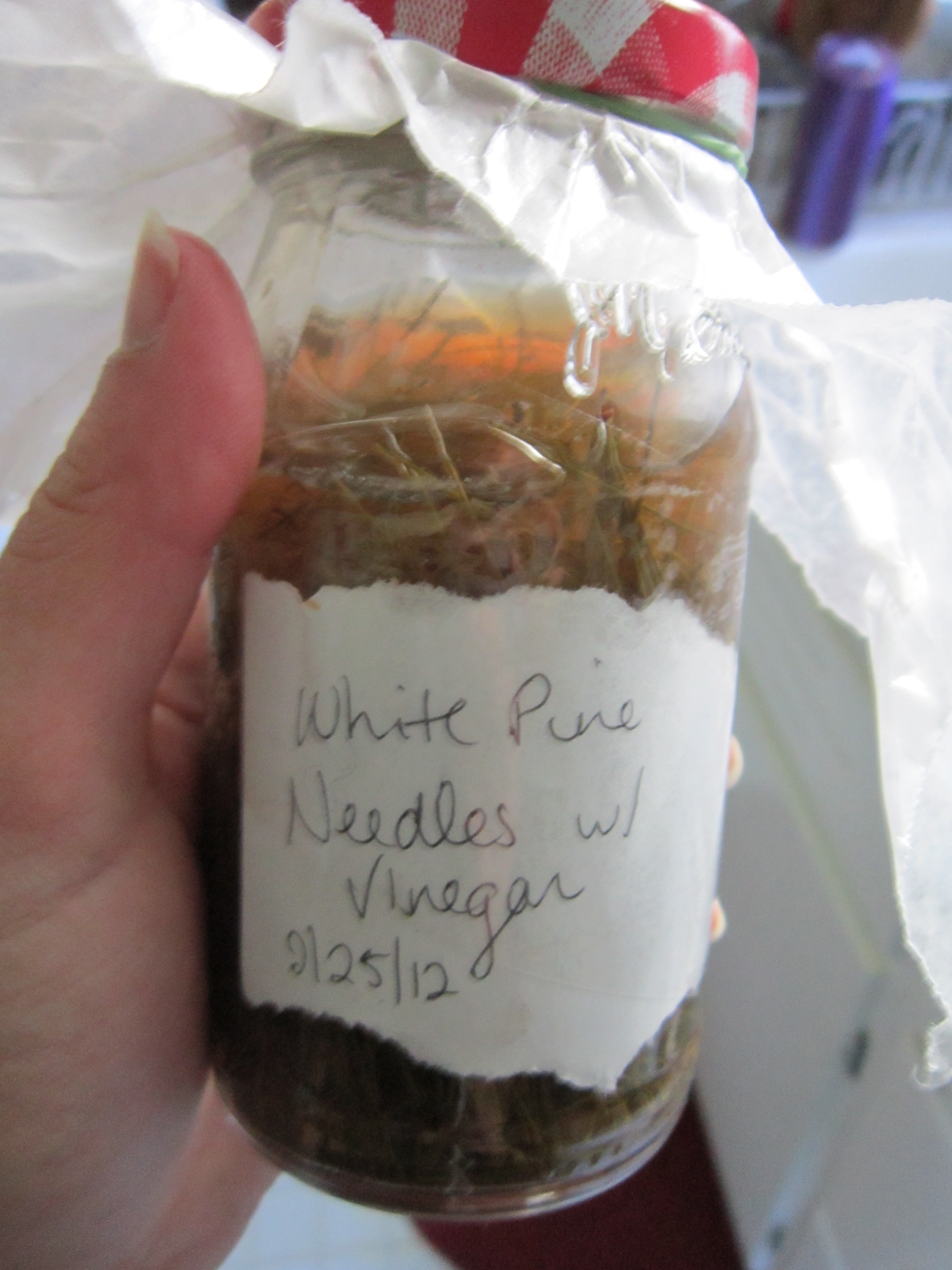
They can be infused into a variety of menstrums (liquids used to extract the nutritional or medicinal properties of plants) other than water.  For example, tonight I got a nice dose of vitamin C by using vinegar infused with pine needles in my salad dressing.  White pine needle vinegar (the type I made) tastes similar to balsamic vinegar.

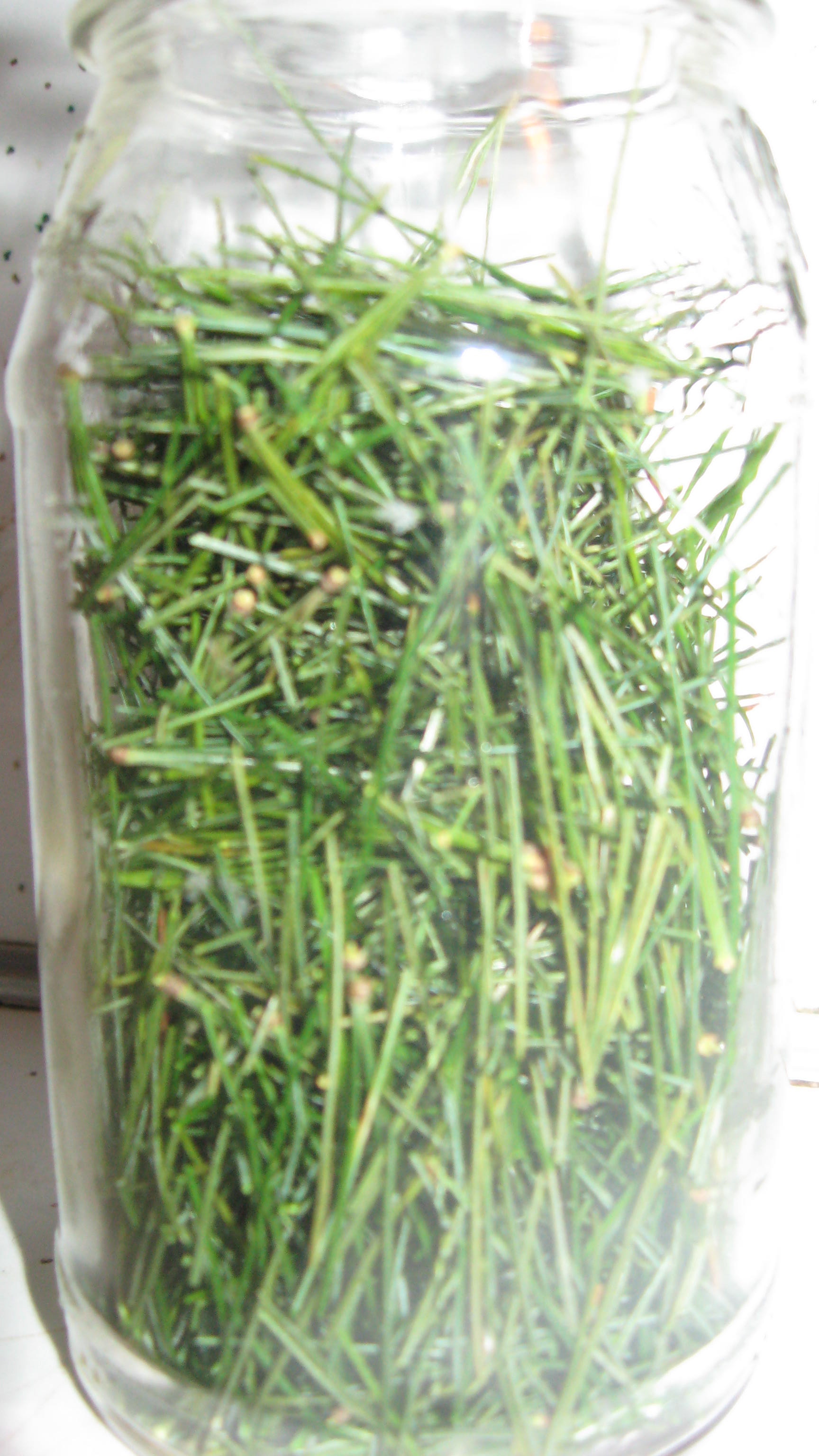
First, you’ll need to gather some needles. I collected a bunch from a white pine.

White pine needles

Pick through them to ensure the best ones are being added to glass jars. I also tore these up as I was adding them.

Fill the jar!

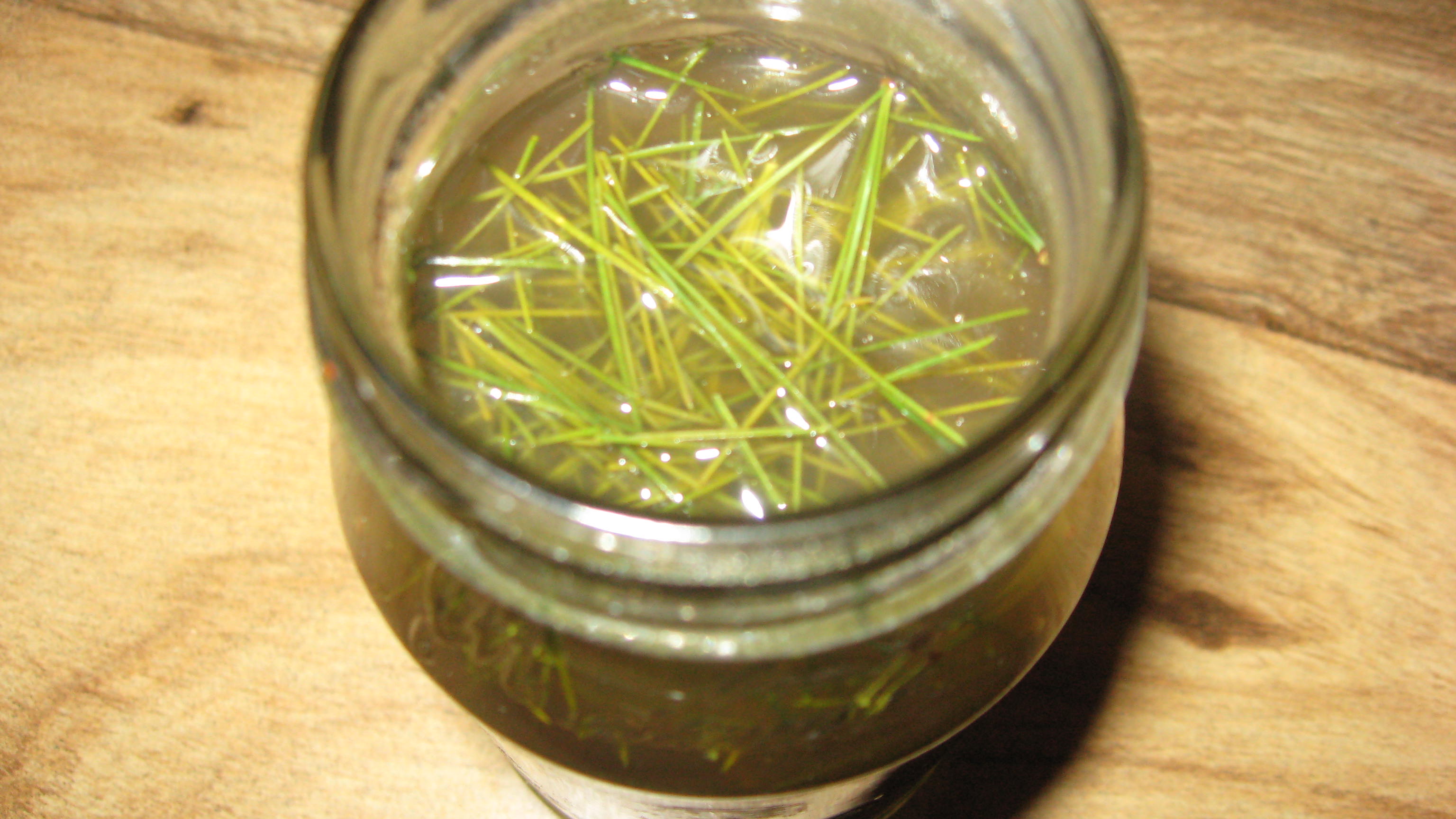
And then cover with the menstrum. In this case, it’s apple cider vinegar.  I get large jugs of the raw kind so I boiled some first to ‘pasteurize’ it before making this vinegar (and I was able to boil enough extra for future use). Make sure to completely cover the needles — poke them down so that they’re an inch below the liquid line.

Let the finished product sit for 4-6 weeks before using.  Also, use a plastic lid or put a piece of wax paper on top because vinegar will eat away at the lid.

White Pine Vinegar ready to be strained!

What’s another use for the pine needles?  Infuse them in olive oil!  The oil can then be used as a relaxing massage oil or as a chest rub to help with respiratory issues.

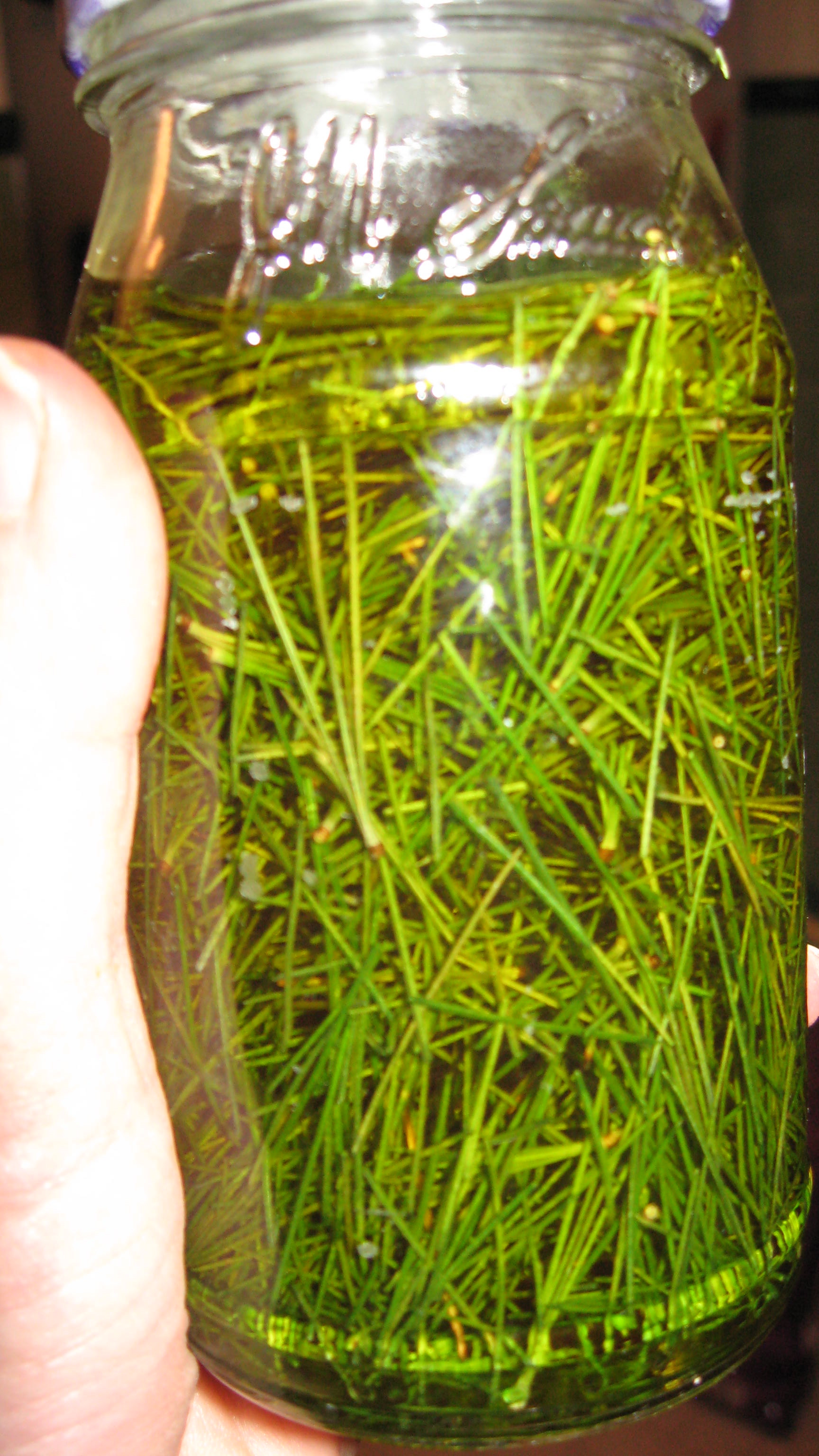
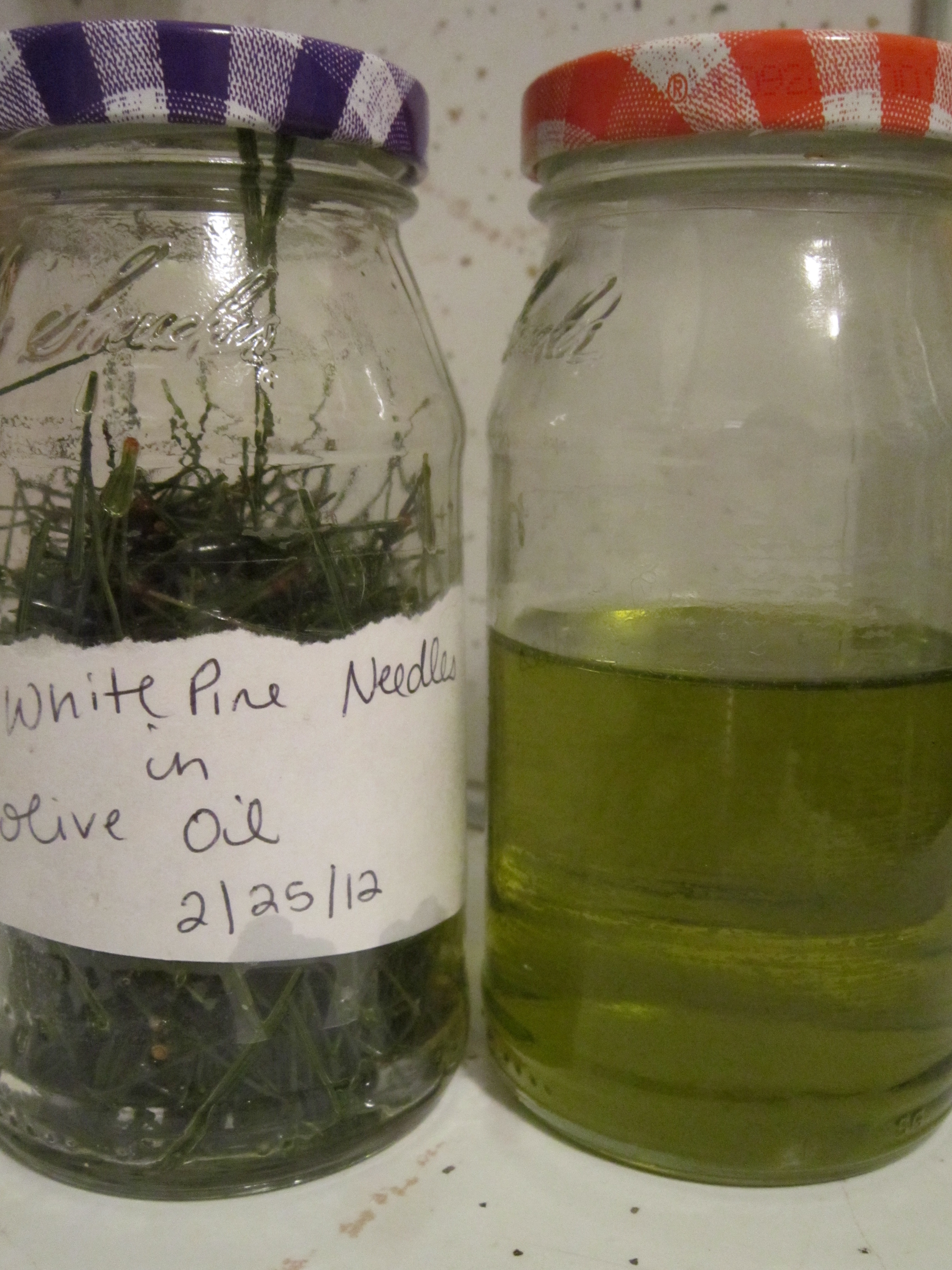
Cover a jar full of pine needles with the oil and let sit for 4-6 weeks.

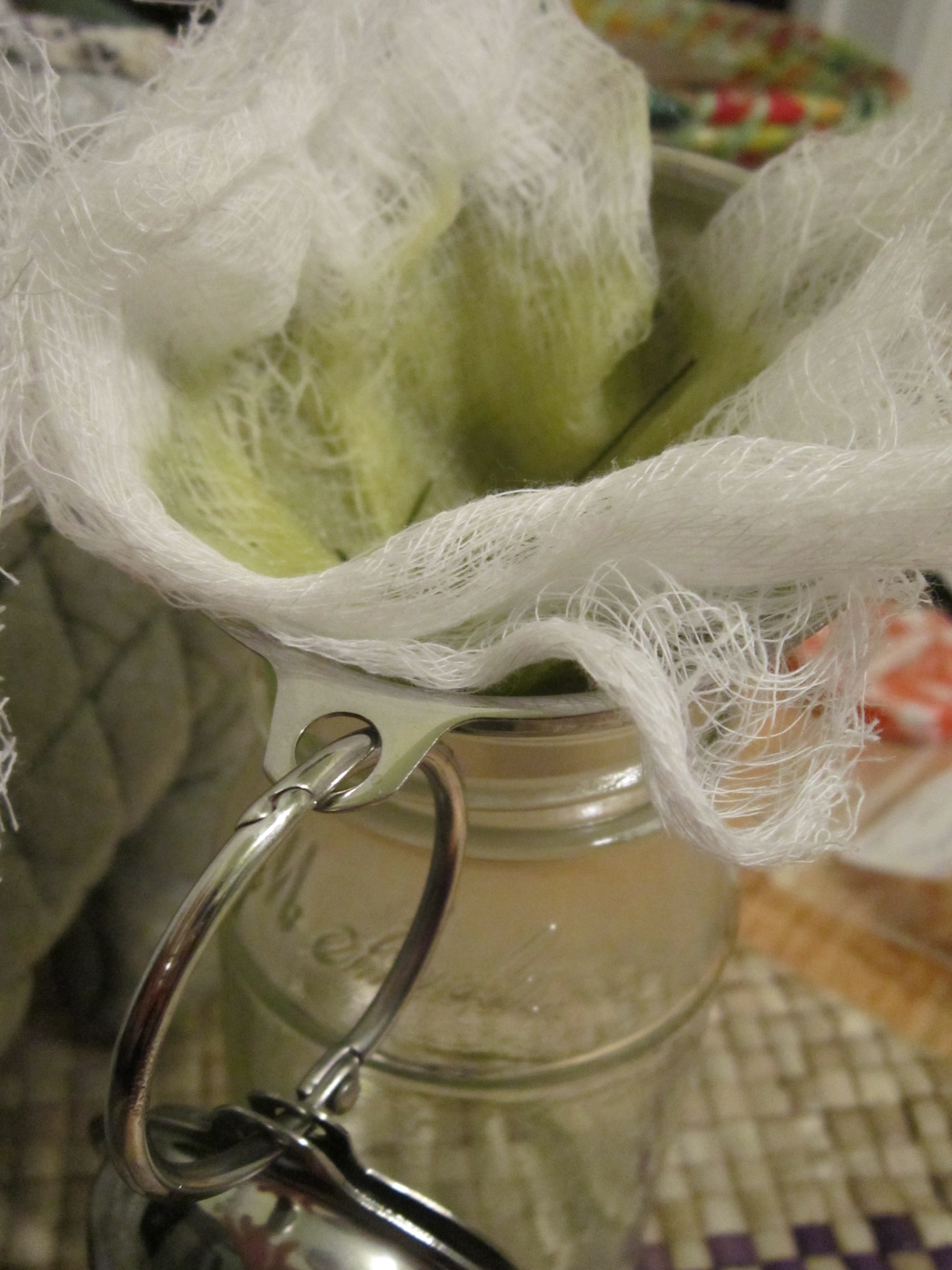
When you’re ready to use the oil, strain the needles out.

And you’re left with pine needle infused olive oil!

The oil can also be turned into a salve that can help to remove splinters (although it seems that the actual sap of a pine tree might be best at this!), or it can be put on small wounds to help them heal.  I’ve also been having a fun time using it as a lip balm!

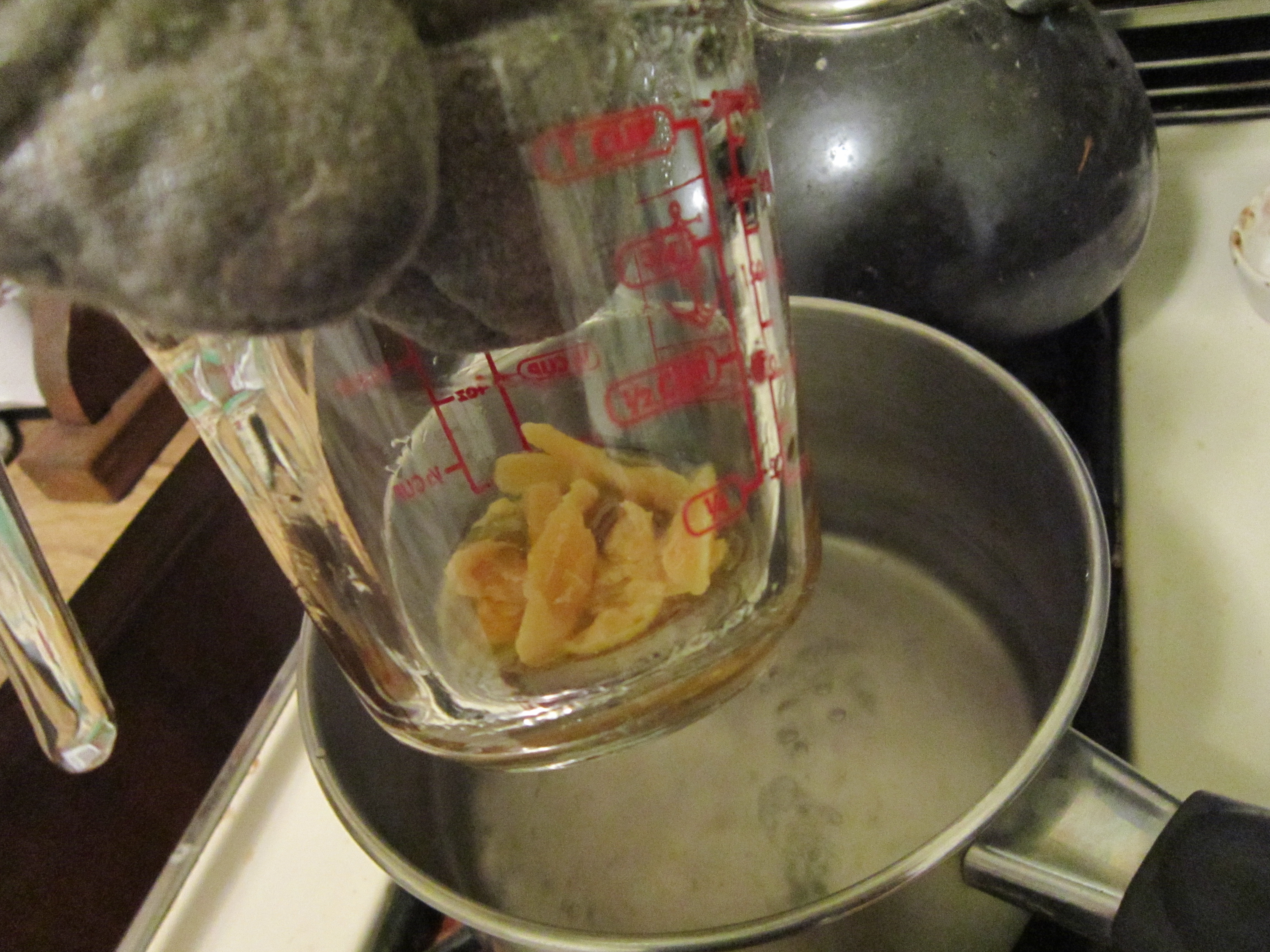
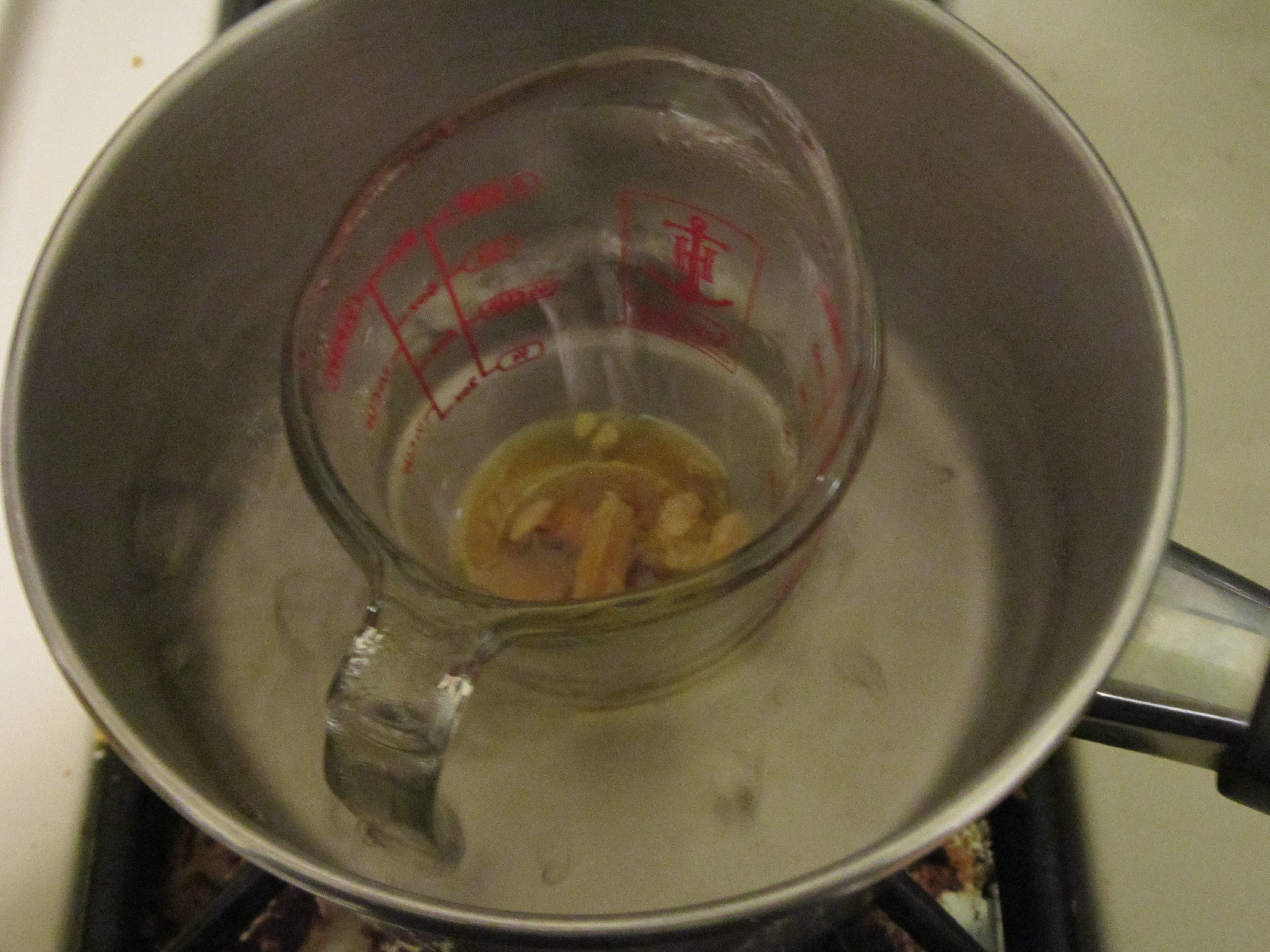
To make a salve, create an easy double boiler by putting a measuring cup into a pot of boiling water.

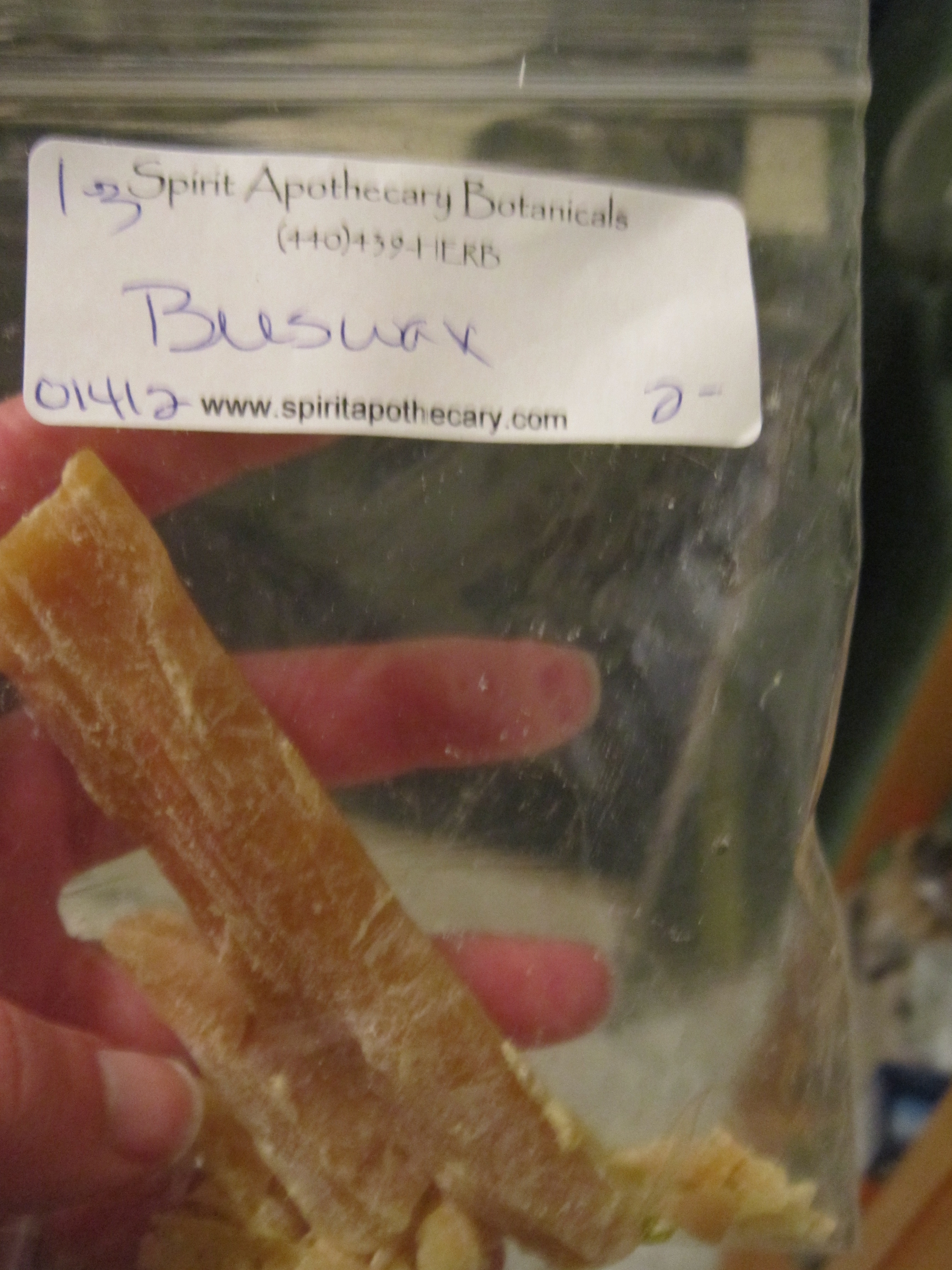
Add 2 Tablespoons of beeswax (I just guessed at the amount when I made this…) to the measuring cup and let melt.

After it has melted, add 2 ounces (1/4 cup) of the oil infused with pine.  Stir with a chopstick until you reach an even consistency.  Test to see if you’re done by putting a drop on your counter. It will allow you to quickly see if the salve is firm enough or too runny.  Too runny? Add more beeswax. Too firm? Add more oil.

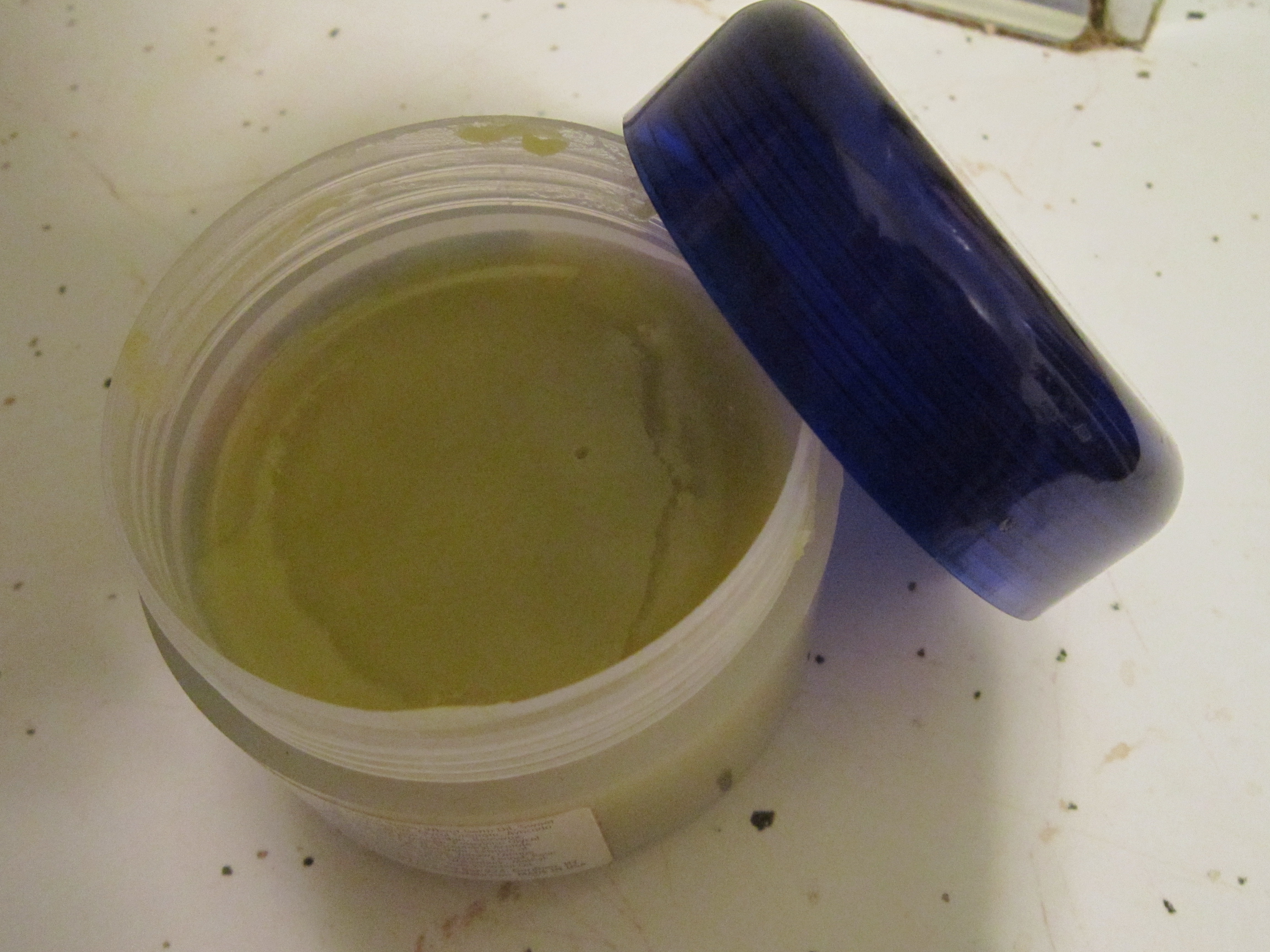
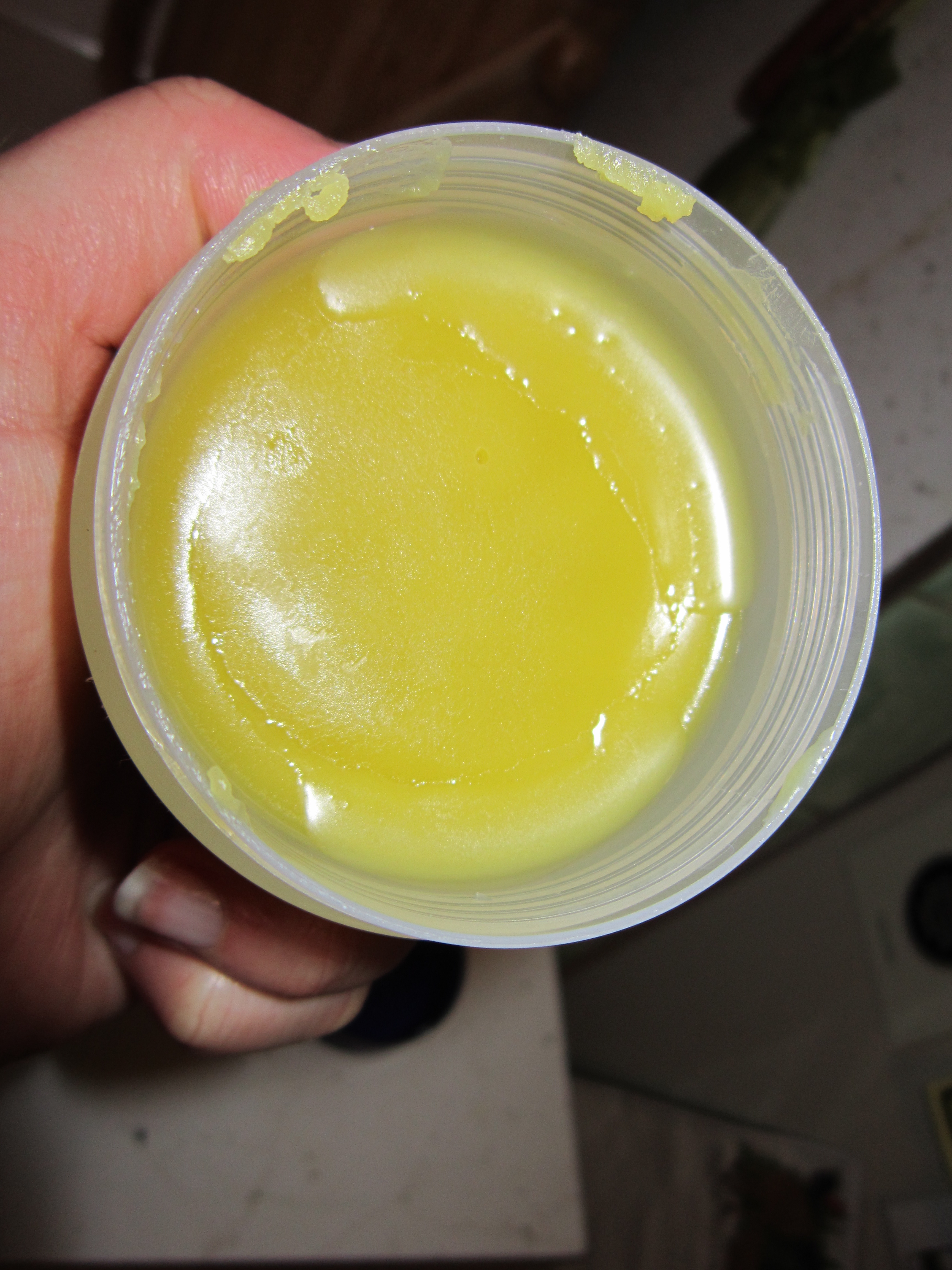
When the mixture is consistent, pour it into a reused container and let sit to become a salve!  Use and enjoy knowing exactly what went into your product!


Enhanced by Zemanta

Introduction to Nourishing Herbal Infusions – Nettle

Many people have jumped on the green juice bandwagon, and for good reason — these juices are a welcome addition of vitamins, minerals, and other nourishment to our diets.  They work well at helping people to feel more energized and healthy. Unfortunately, many green juice recipes call for produce that is not always, if ever, in season in my region.

Are there other ways to get a local, sustainable, and easy punch of chlorophyll, vitamins, and minerals?

Why yes there is.  Hello lady nettle.
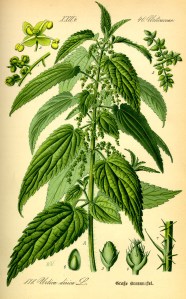
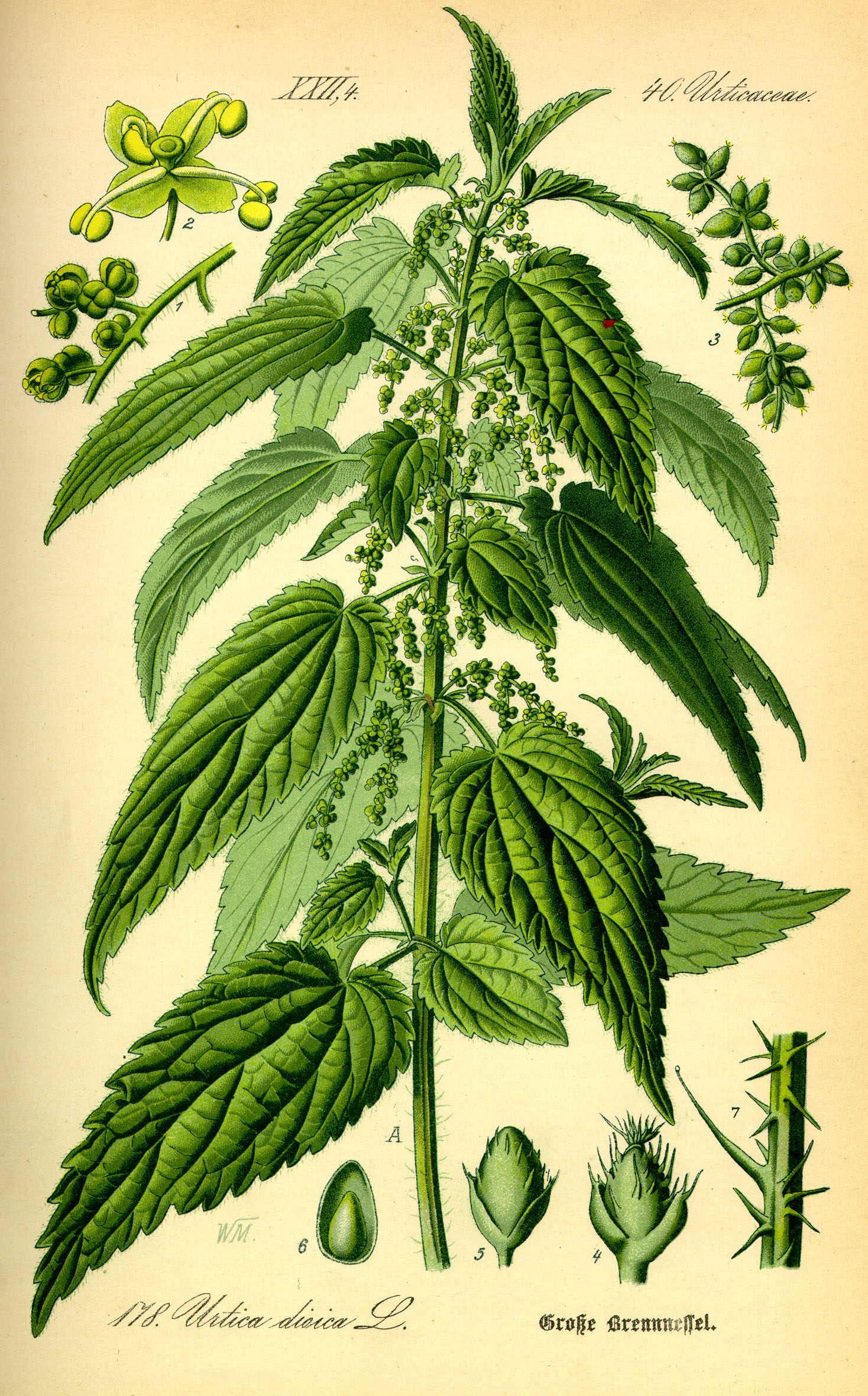
Stinging Nettle (Urtica dioica)

I remember my first encounter with nettle.  It happened as a young child when I was helping my mother to weed the garden.  I innocently pulled this ‘weed’ and soon thereafter had a nasty irritation all over my hand. Ow, nettle! She certainly has evolved an excellent defense mechanism.

Luckily, that early interaction did not deter me from learning about nettle and her many benefits.

Susun Weed reports an impressive list of nourishment found in nettle:

{Note from 1/2016: As discussed in the comments, there is some debate about the actual amounts of vitamins and minerals found in these infusions and whether fat-soluble vitamins A, D, and K can be assimilated in this form.  Please see the comments for a link to another analysis of vitamin & mineral content in infusions.  Either way, it is without a doubt that adding infusions to your life will increase the vitamins and minerals you’re consuming and have certainly made a difference for many people’s overall health.}

Nettle is a superior source of protein; 10 percent by weight.

Nettle is a rich storehouse of  readily-absorbable minerals, trace minerals, and micro-nutrients:

calcium (1000 mg per quart of infusion)

magnesium (300 mg per quart of infusion)

potassium (600 mg per quart of infusion)

zinc (1.5 mg per quart of infusion)

selenium (.7 mg per quart of infusion)

iron (15 mg per quart of infusion)

manganese (2.6 mg per quart of infusion)

    plus chromium, cobalt, phosphorus, copper, sulphur, silicon, and tin.

Nettle is super-charged with vitamins:

    Vitamin A (5000 IU per quart of infusion)

    Vitamin B complex, especially thiamin, riboflavin, niacin, and folate

Plus Vitamin C, Vitamin D, and Vitamin K

All of this combines to provide an excellent source of energy and nourishment that is easy to come by and easy to use!

After experimenting with nettle infusion for about a year now, I would not turn back and I drink this infusion about 3-4 times a week.  I find that I crave the nourishment of this drink when I haven’t had it for a few days.  When I drink it, I feel as though I am drinking Earth milk (but I have not tried it on cereal!). I feel nourished and more connected with the natural world.  Plants (commonly considered weeds!) right outside my door can contribute to my health and well being.

The process starts by measuring out an ounce of dried nettles.  I’ve seen other people write about nettle infusions using just a few tablespoons of herb — this will still be a healthy drink, but won’t pack quite the same punch of minerals.  When I was beginning, I measured this ounce out with a scale, but I have since measured nettle out enough times to simply visualize an ounce of the herb in my quart jar.
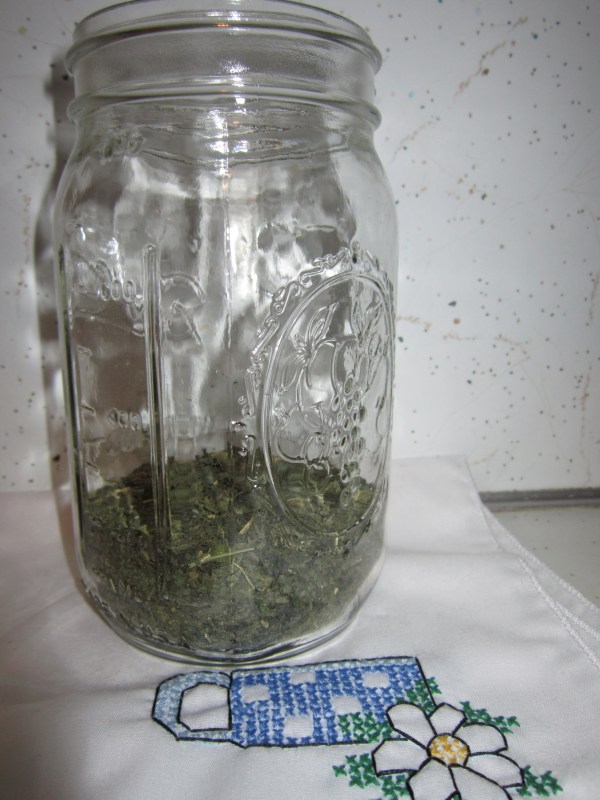
Ounce of dried nettle

Next, I boil water and distract myself with teeth brushing or other before-bed chores.  When the water is ready, I pour it over the herb, seal the jar, and am off to bed.  The minimum time to leave an infusion is 4 hours, but it is fine to leave it overnight.

(Tip: pour the water over a knife placed across the jar lid to help diffuse the heat and avoid breaking jars!)
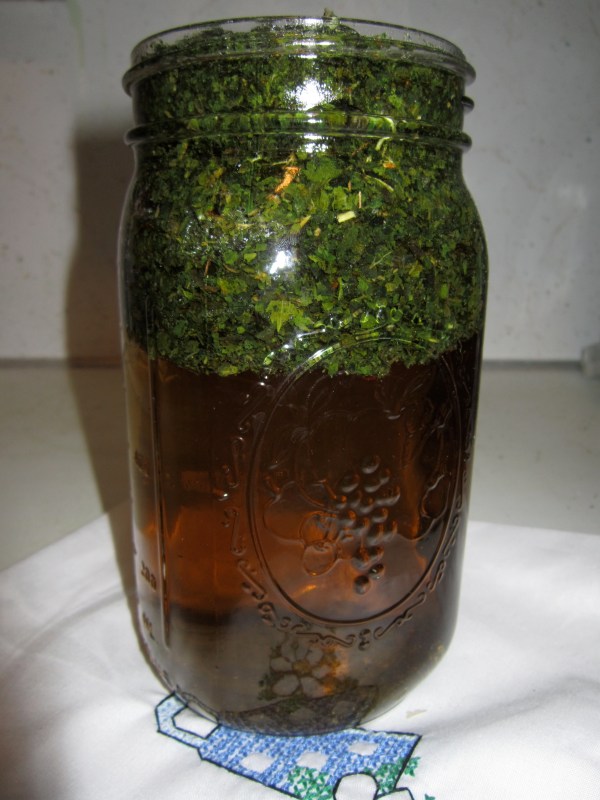
Nettle infusion ready to sit for the night

In the morning, I strain the herb and drink the resulting infusion throughout the day.  I drink it cold and straight out of the fridge, but it could also be warmed.  When I first started drinking nettle I added honey a few times to see if I preferred it that way (I didn’t, but I know that others do.  Mint is also a popular addition — just add a tablespoon to the ounce you measured out.).
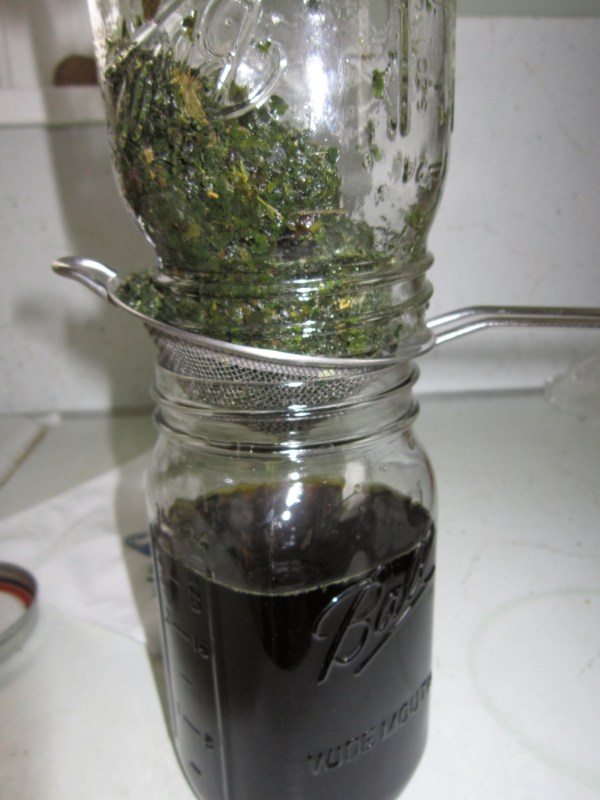
Straining the infusion

What isn’t used right away can be stored in the refrigerator for several days.  If it isn’t used in that amount of time, it can be used as a hair rinse or to water houseplants.

Don’t forget to compost leftover herbs!

So where do you get this much nettle?  It’s awesome if you can harvest it somewhere local to you, but Mountain Rose Herbs is my favorite source for organic bulk herbs.  You can find their nettle HERE.

FTC DISCLOSURE: As a way to support my blogging and related activities, I may receive monetary or other compensation for my endorsement, recommendation, testimonial and/or link to any products or services within this article. However, it is my promise to you that I am sharing my honest opinion and that I only recommend products or services that I have personally used or recommend and are in alignment with Light Footsteps ideals.